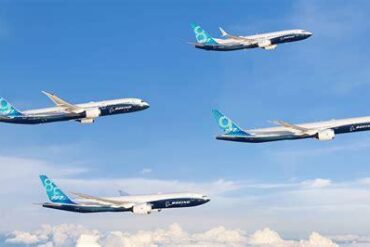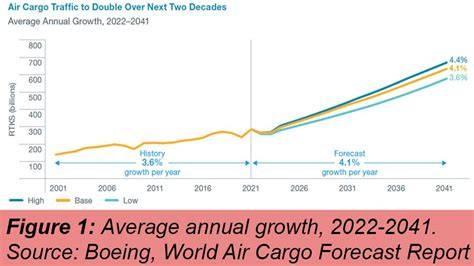
Boeing’s 2026 World Air Cargo Forecast lands at a moment when the freight industry is flying fuller than ever and yet cannot order the aircraft it once relied on. The manufacturer projects global air cargo traffic will double over the next two decades, lifting the worldwide freighter fleet from 2,395 aircraft in 2025 to 4,010 jets by 2045 — a 67% expansion — while regulators steadily close the door on older, thirstier designs that once absorbed demand spikes cheaply. The result is a capacity gap with a hard deadline attached.
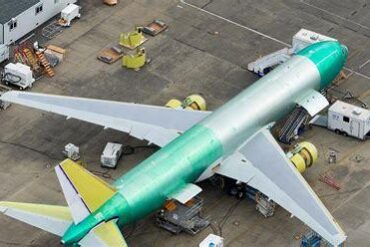
That deadline belongs to the Boeing 777 Freighter. New aircraft that fail the Federal Aviation Administration’s emissions and fuel-efficiency standards cannot receive an airworthiness certificate, and without a certificate they cannot legally be sold. Boeing fought for and secured a partial waiver permitting 35 additional 777Fs to be built through December 2030; absent that relief, production would have halted after December 31, 2027. The waiver buys time, not immunity.
Record 2025 Traffic Sets the Baseline for Boeing’s Cargo Forecast
The forecast rests on an exceptional 2025. Global air cargo volumes grew almost 5% year over year, reaching an all-time record, even as networks were rerouted around the war in Ukraine and persistent Middle East disruption. Resilience, once a bonus, has become a selling point: shippers now pay for routings that keep moving when corridors close.
Artificial intelligence is the sharpest new driver. IATA data shows more than 70% of AI-industry goods moved by air in 2025 — GPUs, server racks, and high-value components whose price per kilogram makes ocean transit unthinkable. Advanced manufacturing and cross-border e-commerce compound the effect.
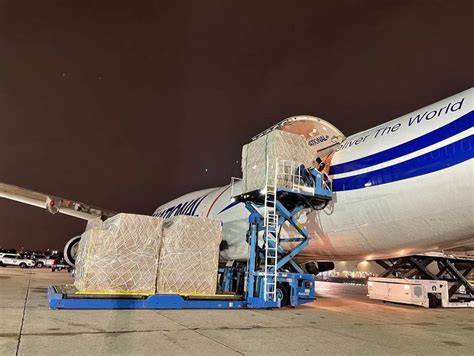
Darren Hulst, Boeing vice president of Commercial Marketing, framed the dynamic precisely: air cargo’s adaptability and speed are strategic advantages, enabling reliable transport, dynamic rerouting, and critical support for evolving supply chains. As trade patterns shift and demand for time-sensitive, high-value goods climbs, dedicated freighters, he argues, will remain essential to global commerce.
Fleet Growth, Replacement Demand, and the 2,930 Freighter Order Book
Boeing expects airlines to require 2,930 new and converted freighters across the forecast horizon. Roughly 55% will add capacity; the remaining 45% will replace aging aircraft that regulations increasingly render uneconomic. Two-thirds of the incoming aircraft will be passenger-to-freighter conversions, a lower-cost route to lift that keeps retired widebodies productive.
Dedicated freighters should carry more than half of global air cargo, overtaking belly capacity in passenger jets — a structural vote of confidence.
Asia anchors the demand curve. Boeing projects the region will sustain 3.5% annual growth to reach its share of a 4,000-plus jet fleet by 2045, by which point the continent should represent 60% of the global air freight market. E-commerce corridors linking Chinese factories to American and European consumers remain the engine.
Emissions Regulations Force Manufacturers Toward the 777-8F
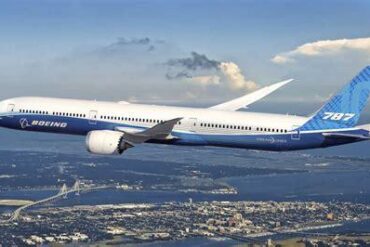
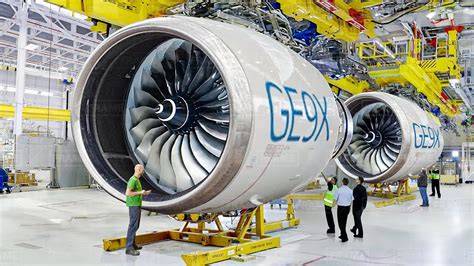
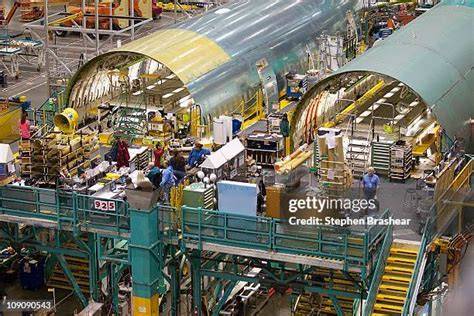
The regulatory vise explains why capacity cannot simply be manufactured on demand. The FAA will not certify designs that miss emissions and fuel benchmarks, so manufacturers cannot churn out simpler, older, less efficient models to meet the shortfall. Boeing’s answer is the 777-8F, carrying a 110-tonne payload 5,000 nautical miles with 30% lower fuel burn and CO₂ emissions than the prior generation. It spans 805,000 lb (365,000 kg) maximum takeoff weight, a 235-foot, 5-inch (71.8 m) wingspan, and a 232-foot, 6-inch (70.9 m) fuselage, powered by GE Aerospace GE9X engines. It holds 84 firm orders despite delays.
The math is unforgiving: traffic doubles, replacement needs absorb nearly half of deliveries, and certification rules remove the cheap escape hatch. Boeing’s forecast is therefore less a prediction than an argument — the freighters that satisfy regulators will decide who carries the world’s most time-critical cargo.