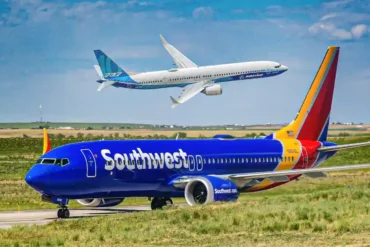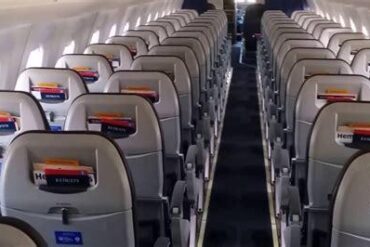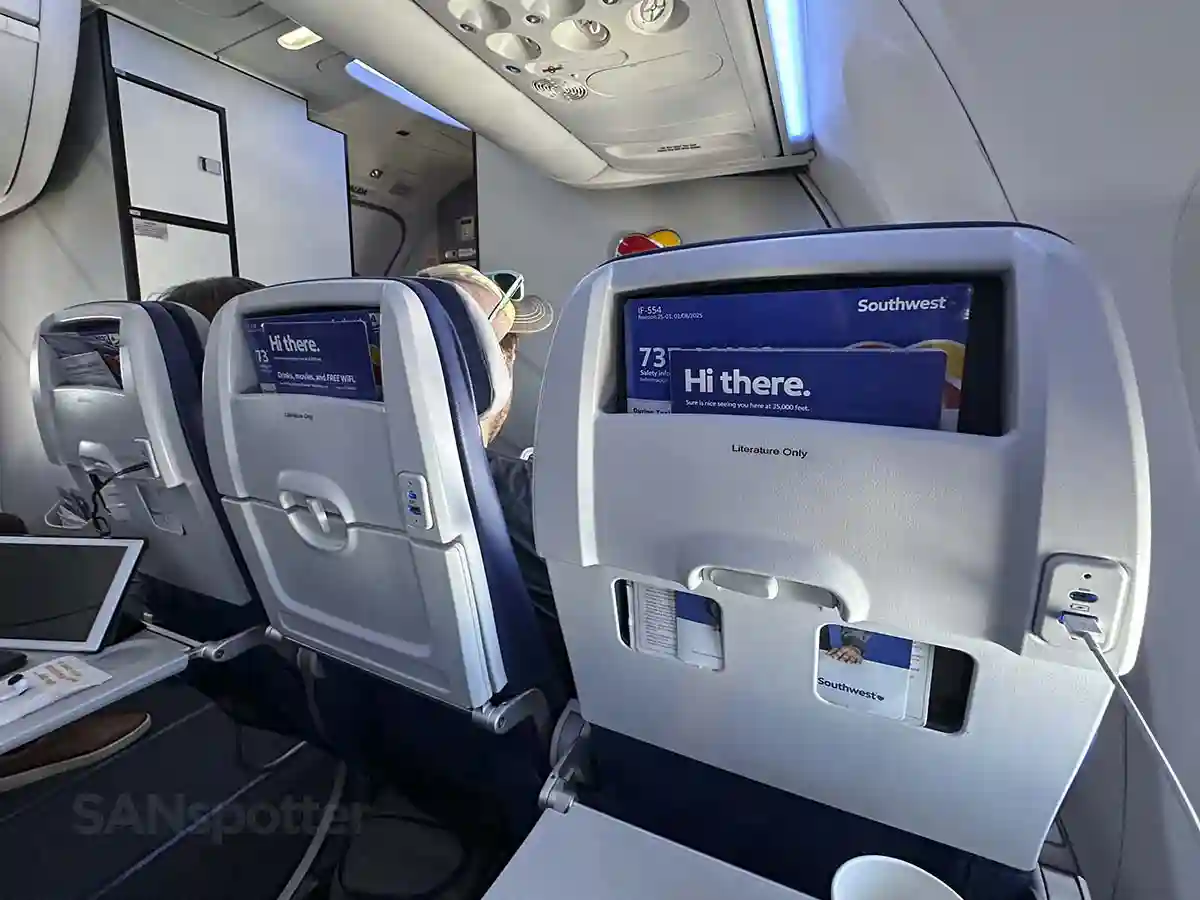
Southwest Airlines has never publicly explained why the Boeing 737 MAX 8-200 is missing from its fleet plans, but its 2026 commercial trajectory supplies the answer. The 8-200 is purpose-built to cram maximum seating density into a single-aisle cabin. Southwest, meanwhile, has spent the year rebuilding its cabin experience around assigned seating, extra-legroom rows, new fare tiers, and upcoming Icon lounges. An airline that moves from open-boarding chaos toward structured comfort and paid upgrades has little reason to bolt 15 to 20 extra seats onto every jet.
Contrast Southwest with Ryanair and Allegiant Air and the same 737 MAX family looks like three distinct machines. Ryanair configures its 8-200s for maximum seat count, Allegiant pairs high-capacity seating with extra-legroom upsells, and Southwest holds steady at 175 seats across its standard 737 MAX 8 and 737-800 aircraft. The way Boeing designed the variant, the way ultra-low-cost carriers deploy it, and the way Southwest’s product shift is unfolding in 2026 together explain why the Dallas-based carrier is unlikely to chase maximum-density narrowbody layouts.
What the MAX 8-200 Actually Is
The 737 MAX 8-200 is a high-density derivative of the standard 737 MAX 8, created so ultra-low-cost operators could push seat counts on single-aisle routes. It keeps the same fuselage length, overall airframe dimensions, engines, maximum takeoff weight, and range as the baseline MAX 8. Boeing did not stretch the airframe or touch core flight performance. Instead, it reworked regulatory evacuation thresholds and interior floor space so airlines could carry more passengers per departure.
To allow higher passenger loads while still meeting evacuation rules, Boeing added an extra pair of emergency exit doors behind the wing. That mid-cabin exit modification raised design capacity from the standard MAX 8 ceiling to 200 seats initially, with later configurations reaching 210 seats. European authorities cap the variant at 202 passengers, a strict ceiling even in high-demand short-haul markets.
Those seat totals come from cabin architecture, not from airline branding. Packing extra rows into a single-aisle cabin roughly 11 feet 7 inches (about 3.53 meters) wide demands slimline seats, tighter seat pitch, compact lavatories, and reduced galley space. The result lowers cost per seat on paper while leaving far less room for comfort or generous legroom.
How Ryanair Exploits the MAX 8-200
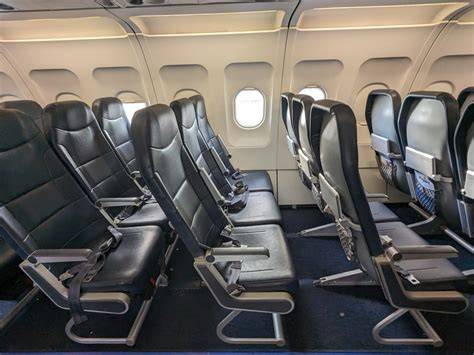
Ryanair is the clearest real-world example of the 8-200 deployed strictly as a high-density, low-fare machine. The airline fits 197 slimline seats at 28 inches (about 71.1 centimeters) of pitch, compared with 189 seats on its older 737-800s. Adding eight seats per jet spreads fixed operating costs across more fare-paying flyers on high-frequency point-to-point sectors.
Squeezing 197 passengers into that cabin demands tailored compromises. The layout relies on three small lavatories and strips galley space, trading onboard amenity room for a lower cost per seat. On short European flights built around rock-bottom base fares and rapid turnarounds, seat count per departure matters more than cabin room. As the variant’s dominant operator, Ryanair demonstrates how directly the 8-200 supports an ultra-low-cost model. Packing 197 seats helps lower per-seat costs across busy schedules without escalating to a larger aircraft type and breaking its single-type fleet logic.
Allegiant Air’s Segmented Density Strategy
Allegiant Air takes a more segmented route, combining high overall capacity with a dedicated block of extra-legroom seats aimed at leisure travelers. Allegiant configures its 8-200s with 190 seats, including 21 extra-legroom Allegiant Extra seats. Flyers who want more space pay for it, yet total seat count stays far above a standard narrowbody layout.
Allegiant Extra provides at least six inches (about 15.2 centimeters) of additional pitch over standard rows, paired with power ports and larger overhead bins. For a leisure-focused airline whose routes center on vacation and seasonal demand, paid legroom upgrades have a clear commercial role. Even with those 21 premium rows, the 190-seat total remains a high-density setup.
Set Allegiant’s 190 seats against Ryanair’s 197 and the same airframe adapts to different revenue strategies. Both carriers use the 8-200’s density capability to boost volume per flight, but Allegiant carves out premium upsells rather than squeezing every row. That nuance still places Allegiant well apart from Southwest’s evolving cabin model.
Why Southwest’s Cabin Model Rejects Maximum Density
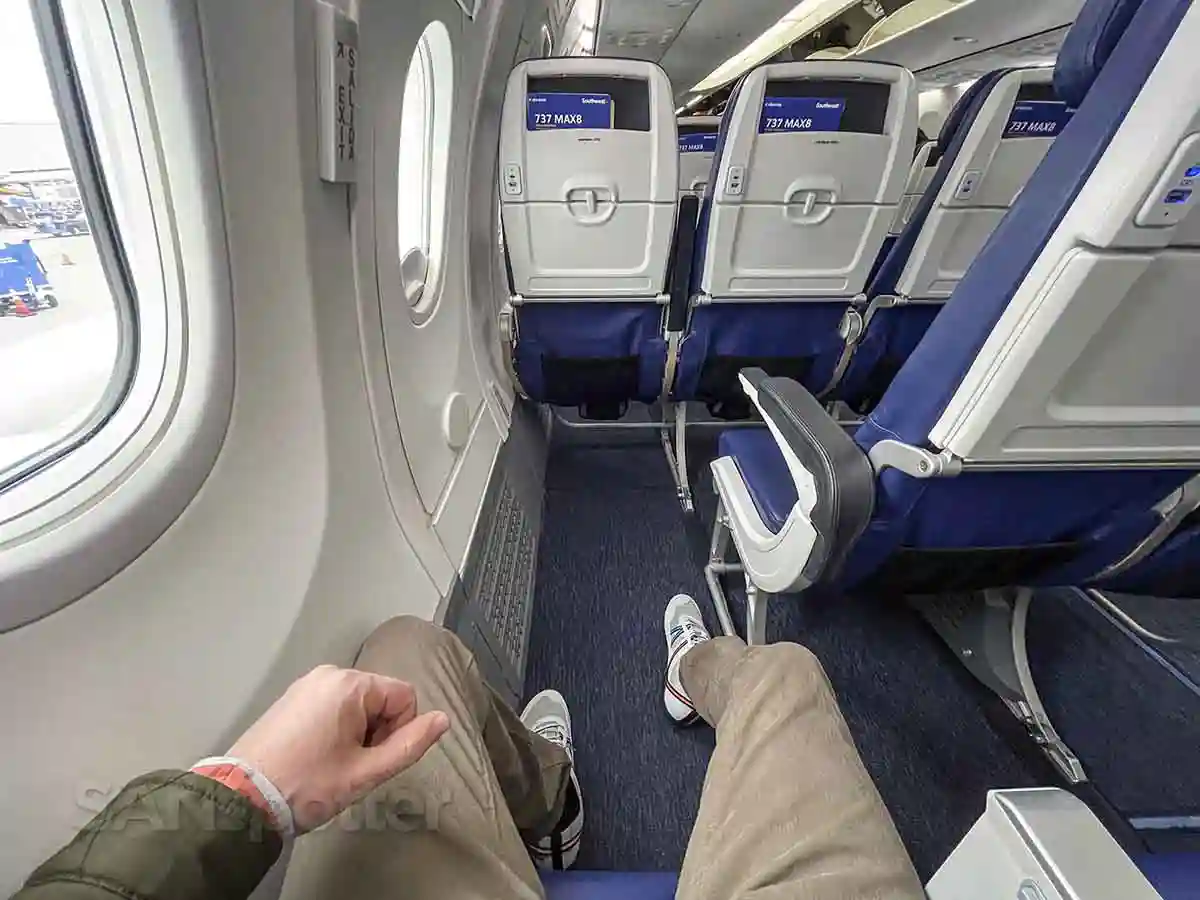
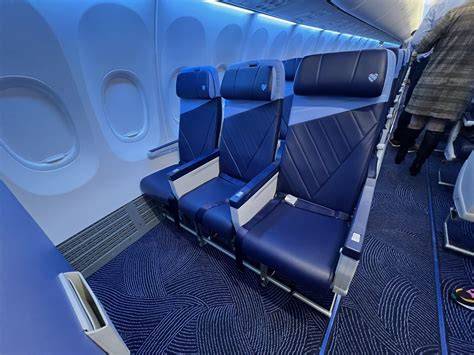
Southwest moves in the opposite direction, offering 175 seats on its standard 737 MAX 8 and 737-800 aircraft. The airline has reconfigured jets to sell extra-legroom seats with 34 to 36 inches (about 86.4 to 91.4 centimeters) of pitch up front, while standard seats hold at 31 inches (around 78.7 centimeters). That standard pitch already gives flyers roughly one inch more legroom than many American, Delta, and United flights.
Squeezing 15 to 20 additional seats onto a Southwest 737, the jump from 175 into the 190-to-197 range, would clash directly with that structure. Tighter row spacing or trimmed cabin amenities would erode the comfort edge Southwest is building across extra-legroom rows and standard seats alike. Adding seats merely to chase peak density would undermine the legroom differentiation designed to win higher-yielding domestic travelers.
Those cabin geometry trade-offs carry real weight for an airline that spent decades operating uniform single-class cabins with fast turns. Integrating 34-to-36-inch extra-legroom pitch and 31-inch standard pitch without inflating overall seat count is what shapes layout, comfort, and fare revenue on every flight. Keeping a 175-seat setup protects the segmentation Southwest now relies on across its fleet.
The Brand Identity Shift Behind Southwest’s Fleet Choice
Southwest’s cabin evolution stems from a repositioning away from its old no-frills, open-seating identity toward structured choices and elevated touchpoints. Assigned seating, extra-legroom rows, premium fare types, and upcoming Icon lounges signal an airline reshaping how travelers experience the brand. In that context, an ultra-dense cabin built around bare-bones squeezing projects precisely the wrong message.
Customer perception matters as much as seat counts when an airline is actively rebranding. Moving from open boarding to assigned seats and tiered fares changes what flyers expect from booking through boarding and lounge access. A cabin geared toward maximum crowding conflicts with a brand leaning into comfort, structure, and hospitality across every stage of the journey.
That shift mirrors a wider divide in commercial aviation. Ryanair, Allegiant, VietJet, and Akasa Air have all committed to the 8-200, while carriers such as Southwest and United favor the standard MAX 8 with fewer seats. Those opposing camps show why Southwest’s brand direction points away from the 8-200.
Passing on the Higher-Capacity Variant
Taken together, the 737 MAX 8-200 illustrates how one airframe family pulls in opposite commercial directions depending on how an airline values seat volume versus cabin space. The variant gives ultra-low-cost and high-density operators extra exit capacity to push counts to 197 or 190. Southwest has instead moved toward assigned seating, extra-legroom rows, new premium fare tiers, and forthcoming Icon lounges. Holding at 175 seats on its standard MAX 8 and 737-800s aligns naturally with that space-led shift, whereas packing 15 to 20 extra seats onto each jet would undercut the comfort edge Southwest is building.
Southwest does not need to publicly explain away the 8-200 for its fleet logic to come into sharp focus. A high-density variant engineered to maximize seats per departure simply does not match an airline repositioning around extra space, structured seating, and higher-tier customer touchpoints. Unless Southwest reverses course and abandons its 2026 product direction in favor of ultra-low-cost crowding, the 737 MAX 8-200 is unlikely to find a place in its aircraft lineup.