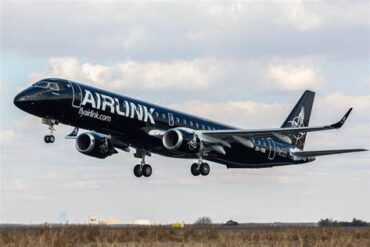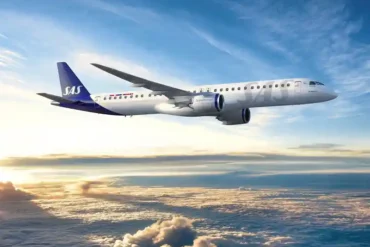
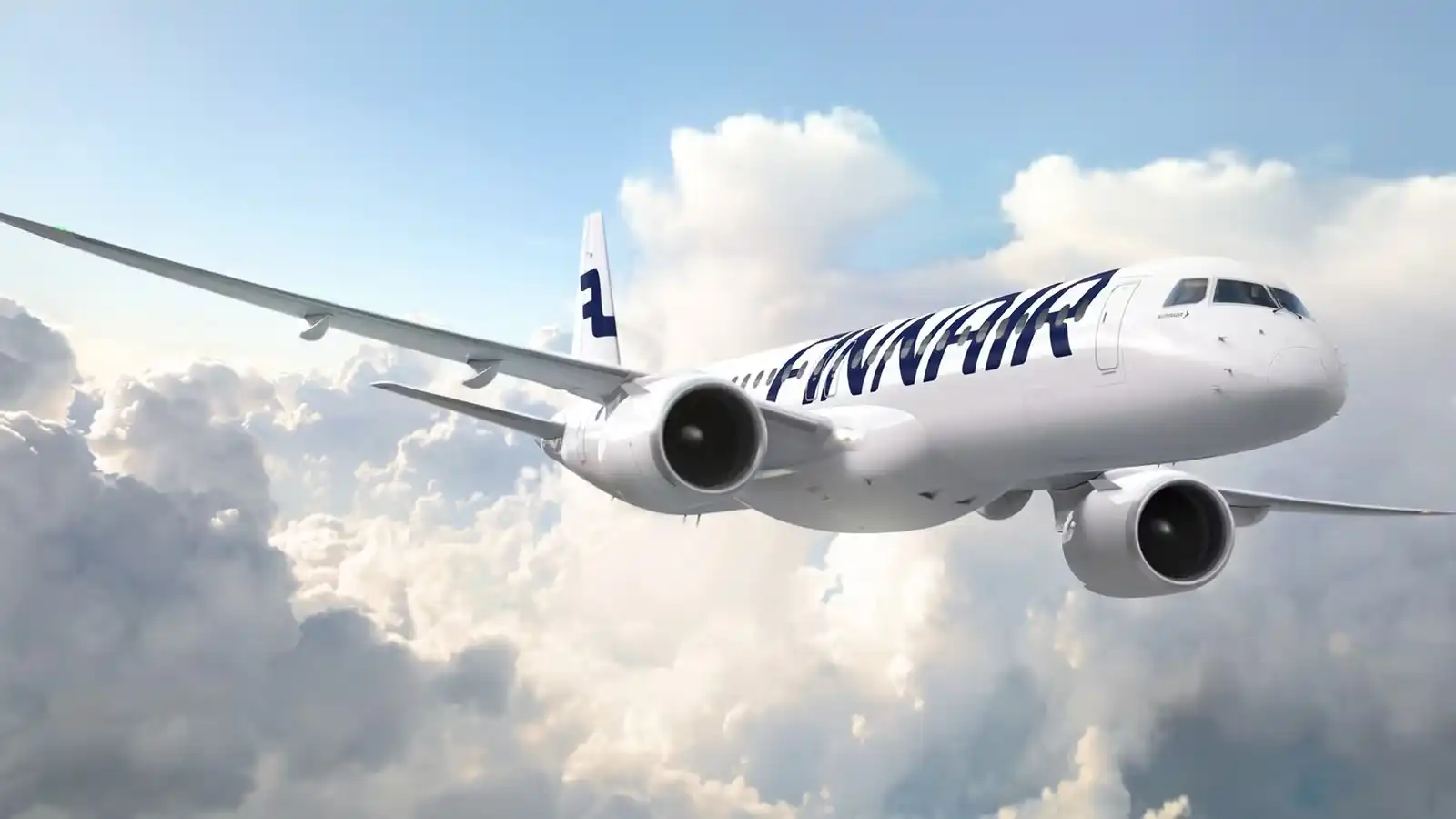
In a decisive move that is reshaping the competitive dynamics of the regional jet market, Finnair has committed to acquiring up to 46 Embraer E195-E2 aircraft, sidelining the Airbus A220 in the process. The announcement marks a pivotal moment not only for the Finnish airline but also for the broader European aviation landscape, where aircraft efficiency, flexibility, and sustainability are now decisive battlegrounds.
The agreement includes 18 firm orders, options for 16 additional jets, and purchase rights for 12 more, forming a multi-billion-euro investment that underscores Finnair’s long-term strategic ambitions. Deliveries are scheduled to begin in 2027, signaling a gradual but deliberate transformation of its short-haul fleet.
This decision is far from symbolic. It reflects a calculated alignment between operational needs and aircraft performance, where the E195-E2 emerges not merely as an alternative, but as a superior fit for Finnair’s evolving network strategy centered around Helsinki-Vantaa Airport.
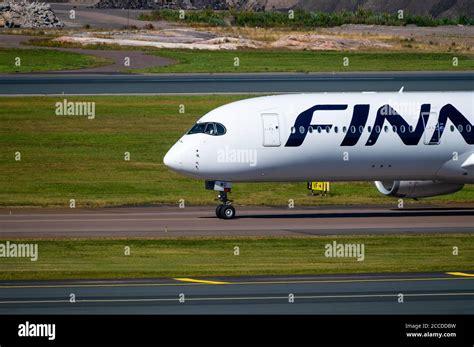
Why the Embraer E195-E2 Fits Finnair’s Network Strategy
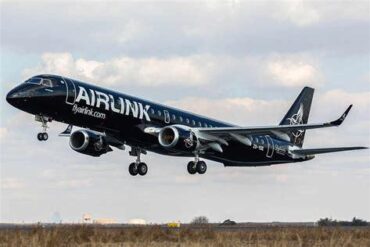
At the heart of Finnair’s decision lies a fundamental shift toward right-sized capacity and optimized route economics. The E195-E2, configured for up to 134 passengers, offers a sweet spot between smaller regional jets and larger narrowbody aircraft. This allows Finnair to fine-tune frequency and capacity across Nordic and European routes without overcommitting seats.
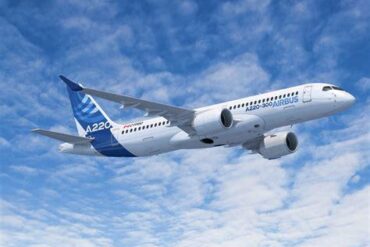
Unlike the larger A220 variants, which can exceed 140–150 seats depending on configuration, the E195-E2 delivers precise capacity control, a critical factor in markets characterized by fluctuating demand and seasonal variability. For an airline operating in a geographically unique region like Finland, where thin routes dominate, this flexibility becomes a strategic advantage.
Moreover, Finnair’s reliance on feeder traffic into its long-haul network demands aircraft that can operate profitably on shorter sectors while maintaining high utilization rates. The E195-E2’s performance profile aligns perfectly with this requirement, enabling seamless connectivity without the burden of excess capacity.
Efficiency and Sustainability: A Defining Edge
Fuel efficiency and environmental performance are no longer secondary considerations—they are core decision drivers. The E195-E2 delivers up to 30% lower CO₂ emissions per passenger, a statistic that resonates strongly with Finnair’s sustainability commitments and the broader European regulatory environment.
Powered by the advanced Pratt & Whitney PW1900G engines, the aircraft combines reduced fuel burn with lower noise levels, positioning it as one of the quietest and most environmentally efficient jets in its category. This is particularly relevant for operations in noise-sensitive European airports, where regulatory constraints can directly impact scheduling flexibility.
Finnair’s parallel agreement with RTX Corporation for engine support and maintenance further reinforces the airline’s commitment to long-term operational reliability and cost predictability.
A Strategic Blow to Airbus and the A220 Program
Finnair’s decision represents another setback for Airbus in the fiercely contested 100–150 seat segment. While the A220 has gained traction globally, recent order trends indicate a resurgence in Embraer’s competitiveness, with the E2 family outperforming its rival in key campaigns.
The implications extend beyond a single airline order. For Airbus, the A220 was envisioned as a cornerstone product bridging regional and mainline operations. However, Finnair’s choice highlights a critical market reality: airlines are prioritizing tailored solutions over one-size-fits-all aircraft.
In this context, Embraer’s focused design philosophy—centered on regional efficiency rather than stretched versatility—is proving increasingly compelling.
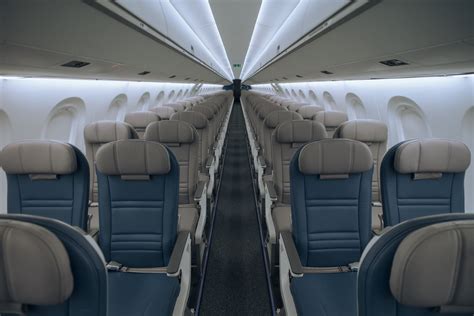
Passenger Experience: Quiet Innovation in the Cabin
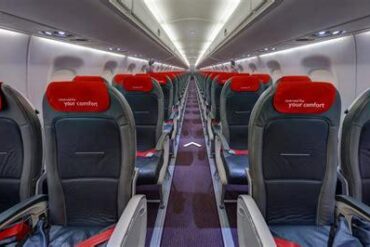
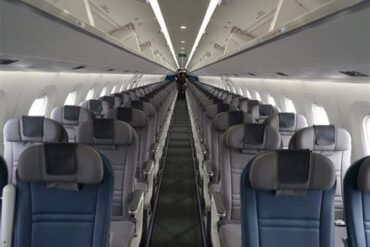
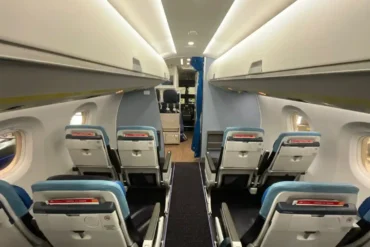
While operational metrics dominate headlines, the passenger experience remains a vital differentiator. The E195-E2 introduces a next-generation cabin environment that emphasizes comfort and connectivity. Travelers can expect a quieter cabin, reduced vibration, and modern amenities such as USB charging ports and high-speed onboard internet.
For Finnair, which has built a reputation around Nordic-inspired design and premium service, the E2 platform provides an opportunity to extend its brand identity into the regional segment. This ensures consistency across the travel experience, from short domestic hops to long-haul intercontinental journeys.
Norra’s Role in Expanding Regional Connectivity
The new aircraft will primarily operate under Nordic Regional Airlines, Finnair’s regional partner. This strategic deployment allows the mainline carrier to delegate thinner routes to a specialized operator while maintaining brand coherence through shared flight numbers and service standards.
Norra’s existing experience with Embraer aircraft further reduces operational risk, making the transition to the E2 series both cost-effective and operationally seamless. The result is a more agile network capable of responding to demand shifts without compromising efficiency.
Complementing the Fleet with Airbus Narrowbodies
Interestingly, Finnair’s fleet strategy does not entirely exclude Airbus. The airline plans to acquire up to 12 second-hand Airbus A321-200 and Airbus A320-200 aircraft, primarily to replace aging A319s and older A320 models.
This dual approach reflects a balanced fleet philosophy, where larger narrowbodies handle higher-density routes while the E195-E2 addresses regional and lower-demand sectors. The integration of both aircraft types ensures maximum network flexibility and cost efficiency.
A Century-Old Airline Adapting for the Future
With over a century of continuous operations, Finnair is no stranger to industry transformation. Majority-owned by the Finnish government, the airline has consistently demonstrated an ability to adapt to shifting market dynamics while maintaining operational resilience.
This latest fleet decision underscores a broader strategic narrative: precision, sustainability, and adaptability are now the defining pillars of modern aviation. By choosing the Embraer E195-E2 over the Airbus A220, Finnair is not merely selecting an aircraft—it is making a statement about the future direction of its business.
As deliveries begin later this decade, the impact of this decision will become increasingly visible across European skies. More importantly, it may influence other carriers facing similar strategic crossroads, reinforcing a growing industry consensus: the right aircraft is not the biggest or the newest, but the one that fits the mission with absolute precision.