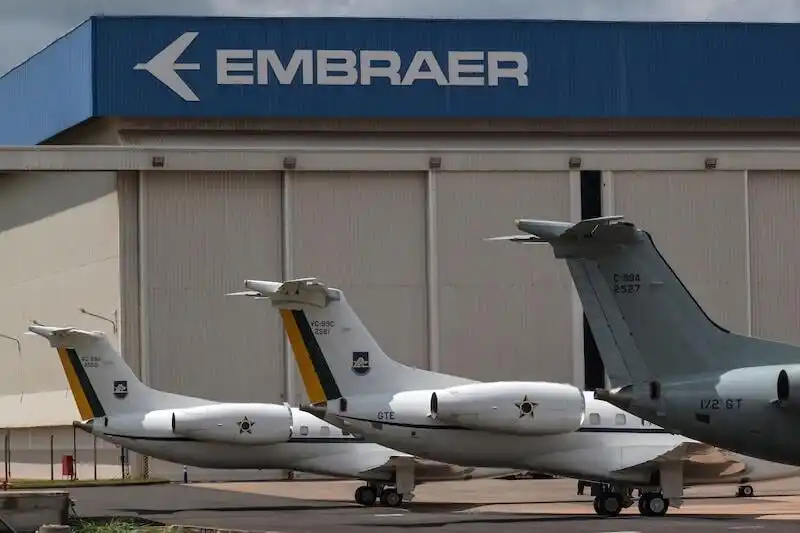
The Trump administration has proposed a 10% tariff on aircraft imported from Brazil, a move that could add hundreds of millions of dollars to the cost of Embraer jets already ordered by US airlines. The proposed duty would apply to several categories of finished aircraft, including airplanes and helicopters, but it has not yet been finalized. The proposal landed on Wednesday, November 25, when the Office of the US Trade Representative announced changes to the Section 301 tariffs introduced on Brazilian goods earlier in the year. Washington had already introduced a 25% tariff in July following an investigation into Brazilian policies, yet finished aircraft were exempt at the time. That exemption is now the bargaining chip under review.
How Many US-Bound Embraer Jets Are Exposed?
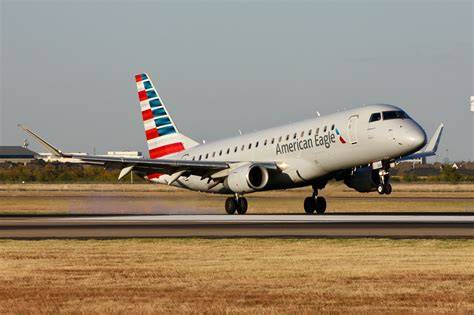
Data from ch-aviation shows that US carriers collectively hold over 200 firm orders for Embraer aircraft, along with additional purchase options. At list prices, those firm orders are worth over $13 billion, although the final cost will be significantly lower because airlines typically negotiate steep discounts. The tariff could also affect future deliveries, depending on when it takes effect and whether carriers can restructure their delivery schedules. According to Embraer’s backlog figures as of September 30, the manufacturer had 163 E175s on firm order, including 155 for its three US customers. American Airlines accounts for 66 of these, SkyWest Airlines for 63 and Republic Airways for 26.
American, SkyWest, Republic and Avelo at the Center of the Count
Avelo Airlines placed a firm order for 50 E195-E2 aircraft with purchase rights for another 50 in September 2025, and its order alone is valued at $4.4 billion by list price, or $88 million per jet, with deliveries scheduled to begin in 2028. Following SkyWest’s 60-aircraft order last year, Embraer valued the deal at $3.6 billion at list prices, which works out to around $60 million per jet. Applying that figure to the 155 E175s for US customers gives an estimated value of $9.3 billion. Coupled with Avelo’s order, this totals around $13.7 billion, representing a potential 10% tariff of over $1.3 billion — though the real figure would likely be considerably lower. Nonetheless, it adds a new cost burden to airlines already struggling with fuel expenses, labor contracts and thin regional margins.
Why Embraer’s Response Signals How Serious the Standoff Is
Embraer responded by stating it was reviewing the announcement and “continues to believe in and strongly defends” maintaining the zero-tariff policy for the global aerospace industry, which has been in place since the 1980s. The planemaker’s shares fell around 5% following the news, while Brazil’s Foreign Ministry said it would assess the proposal’s impact. Trade Representative Jamieson Greer said Brazil had made little progress on issues raised by the US investigation, stating that “today’s proposed modification would provide greater leverage to obtain the elimination of Brazil’s unreasonable acts, policies, and practices.” The language frames the tariff less as a revenue measure than as leverage in an unresolved bilateral dispute.
The E175’s Dominance in US Domestic Skies
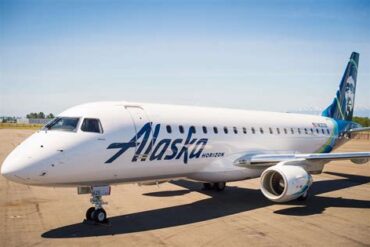
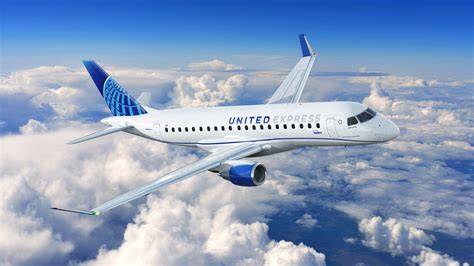
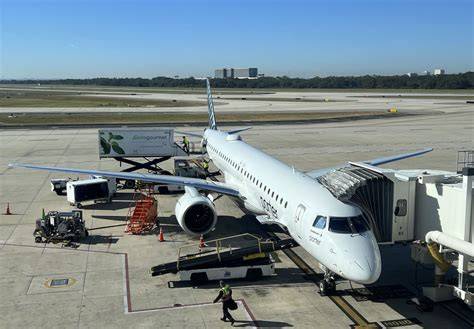
Embraer has established itself as a major player in the US aviation market for decades, with its regional jets becoming a key part of the country’s domestic air network. In fact, the E175 has become the most frequently scheduled aircraft on the US domestic market. Embraer Commercial Aviation CEO Arjan Meijer pointed to data showing the regional jet was scheduled to operate 102,931 domestic US flights in October, compared with 88,434 for the Boeing 737-800 and 73,381 for the 737 MAX 8. There are over 720 airframes listed as active under US carriers. SkyWest is the largest operator with 276 E175s flying on behalf of United, Delta, American and Alaska Airlines, while Republic operates 251 E175s for American, Delta and United, and American wholly owned regional subsidiary Envoy Air operates a further 136.
A Repeat of the 2025 Tariff Fight on US Regional Airlines
US carriers have dealt with tariffs on Embraer jets before. In July 2025, regional carriers Envoy Air, Piedmont Airlines and Republic wrote to the Department of Commerce to raise concerns about a threatened 50% tariff on Brazilian goods, before aircraft were eventually exempted from the additional duty. The current proposal revives that fight on a smaller scale but with a different backdrop: a 25% Section 301 levy already covers most Brazilian imports, meaning aircraft are the last major carve-out at stake. For US regional airlines, every dollar attached to an E175 delivery flows directly into the economics of hundreds of short-haul routes that feed the networks of the largest carriers.
What Happens Next for Embraer Orders and Delivery Timelines
The proposal is open to public comment and has not been finalized, leaving room for carriers, manufacturers and trade groups to make their case before a final determination. If imposed, the 10% tariff would not hit Embraer’s order book all at once; it would fall on aircraft entering the US after the effective date, creating uncertainty around deliveries due in the coming quarters. Embraer’s defense of the zero-tariff aerospace standard rests on the argument that the sector has operated under a tariff-free framework since the 1980s, and that breaking it would raise costs for operators without protecting domestic production. For American, SkyWest, Republic and Avelo, the calculation is simpler: a 10% duty on jets priced between $60 million and $88 million at list adds a $6 million to $8.8 million premium per aircraft, multiplied across a backlog of more than 200 firm orders.