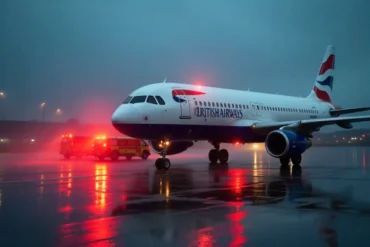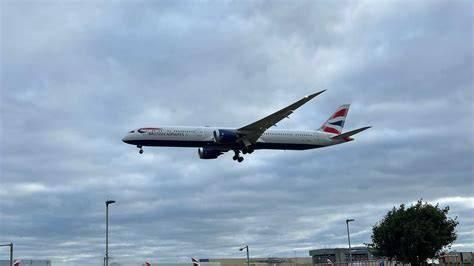
A British Airways Boeing 787-10 Dreamliner flying from London to Boston declared a general emergency over the North Atlantic on Tuesday night after its crew reported an engine oil leak, the second such problem to strike the same airframe in ten days. The aircraft, registration G-ZBLC, was operating BA239 from London Heathrow Airport (LHR) to Boston Logan International Airport (BOS) when the pilots squawked 7700 more than four hours into the roughly eight-hour crossing, alerting controllers and triggering the highest level of in-flight urgency. The Dreamliner, powered by two Rolls-Royce Trent 1000 engines, was cruising at about 33,000 feet and travelling at 378 knots when the transponder code went out, and it ultimately landed safely in Boston at 10:55 PM EST, around an hour behind its scheduled 9:50 PM arrival.
Roll-Royce Trent 1000 Oil Leak Forces Emergency Squawk 7700 Mid-Atlantic
Flight tracking data shows BA239 departed Heathrow just after 7:30 PM local time on Tuesday, climbing out over the Irish Sea and settling into its north Atlantic track before the emergency unfolded. Air traffic control recordings reveal that the pilots told Gander Air Traffic Control in Canada the problem was an engine oil leak, and that the jet was losing oil when the engines were running at high power. Once the crew lowered thrust, the leak stopped worsening—a critical piece of airmanship that allowed the flight to press on rather than divert immediately.
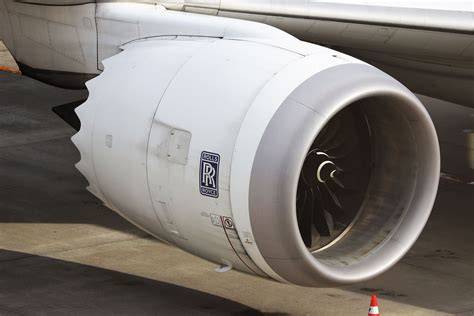
The crew descended to 28,000 feet and kept the engines at reduced power for the remainder of the flight, trading altitude and speed for engine safety. That decision carried a measurable cost: the aircraft flew at under 400 knots, compared with a typical cruise speed closer to 500 knots, adding time to a journey already running long. According to ACARS messages reported by the X account Flightdrama, British Airways’ maintenance team recommended a diversion to Keflavik (KEF) in Iceland, but the pilots elected to continue to Boston. The same messages referenced a previous oil leak, an unmistakable nod to the diversion that had grounded the jet just ten days earlier.
Keflavik Diversion Recommended as Crew Managed Thrust and Altitude
The recommendation to divert to Iceland reflects standard maintenance caution: an unresolved oil leak thousands of miles from a suitable diversion field is a serious proposition, and Keflavik sits directly beneath the north Atlantic track as one of the few viable emergency airports between Europe and North America. The pilots’ decision to continue instead hinged on the behaviour of the leak under reduced power, a judgement call that kept passengers moving toward their destination while the engines remained within limits. Whether authorities will open a formal investigation into the emergency remains to be seen.
G-ZBLC Returns to Service After Athens Engine Shutdown Ten Days Earlier
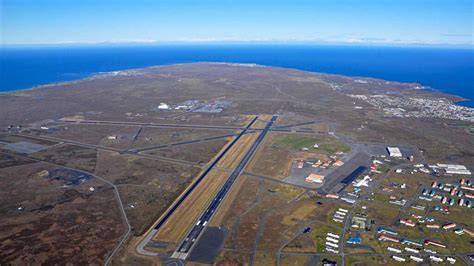
Tuesday’s flight to Boston was the airframe’s first passenger service since a far more serious event on November 14, when G-ZBLC suffered an engine shutdown while operating BA105 from Heathrow to Dubai International Airport (DXB). Roughly three hours into that flight, the crew shut down the right-hand engine and diverted to Athens (ATH). According to The Aviation Herald, a passenger on board reported that the pilots announced an oil leak as the cause, although the airline never confirmed that account. The ACARS messages during Tuesday night’s incident, however, cited a previous oil leak during a diversion—suggesting the earlier explanation was accurate.
Unlike on BA105, Tuesday’s pilots did not shut an engine down, instead managing the problem by reducing thrust, a meaningful distinction that speaks to the crew’s confidence in the engine’s condition. Tracking data shows G-ZBLC remained on the ground in Athens for six days until it was repositioned back to Heathrow on November 20, then stayed in London for another four days before re-entering service on Tuesday with the flight to Boston. That turnaround—barely a week of maintenance and ground time after an in-flight engine shutdown—will inevitably draw scrutiny from regulators and safety analysts alike.
About the Boeing 787-10 Dreamliner Involved
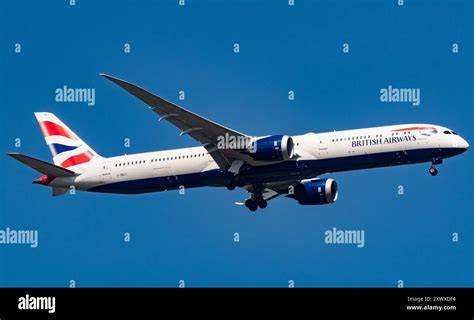
G-ZBLC first flew in September 2020 but was not delivered to British Airways until December 2022, after being caught up in Boeing’s prolonged pause on 787 deliveries over production quality issues. It operated its first revenue flight on December 23, 2022, to Denver International Airport (DEN). British Airways’ 787-10s can seat up to 256 passengers across four cabins and operate long-haul routes to destinations including Boston, Newark, Seattle, Nairobi, Lagos and Dubai. With 44 Dreamliners in its fleet, the carrier is one of the few airlines globally to operate all three variants—the 787-8, 787-9 and 787-10.
The wider BA 787-10 fleet has had a rough month. Another of the airline’s 787-10s was involved in a mishap after getting stuck in the mud at Heathrow ahead of a flight to Lagos; the jet was taxiing toward the runway when it failed to complete a left turn and ran onto the grass verge, with its nose landing gear sinking into the ground.
Jet Grounded in Boston as BA238 Cancelled
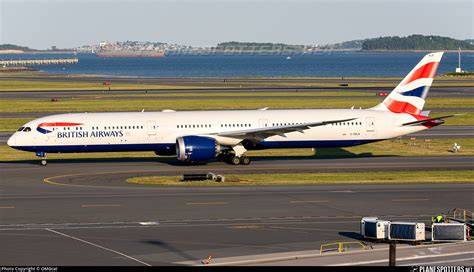
The aircraft has remained out of service in Boston since Tuesday’s incident. It was scheduled to return to Heathrow as BA238 at 7:30 AM on Wednesday, less than nine hours after arriving, but the flight was cancelled. In a statement to Simple Flying, a British Airways spokesperson said: “The aircraft arrived safely in Boston and customers disembarked as normal. Safety is always our highest priority.” The airline said the flight crew identified a “minor technical issue” and followed established procedures, and it apologised to passengers for their late arrival. However, the carrier offered no detail on what caused the oil leak, or whether the problem is linked to the one that forced the Athens diversion ten days earlier—questions that now sit at the centre of a fast-moving safety story.