The global aviation industry is experiencing a resurgent travel boom, fueled by aggressive route expansions, cross-border partnerships, and renewed airline confidence. From Israir’s return to U.S. skies to Thai AirAsia’s deeper push into Vietnam, carriers around the world are reshaping their route maps in response to both rekindled wanderlust and shifting geopolitical dynamics. These strategic developments are not only redefining travel patterns but also anchoring long-term growth across leisure and business segments.
Israir’s Triumphant Return to U.S. Airspace
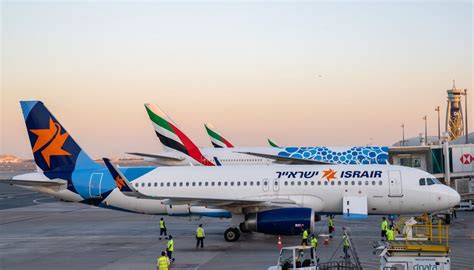
Israir Airlines, after more than 16 years of absence from American skies, has finally been granted a foreign air carrier permit by the U.S. Department of Transportation. This pivotal approval paves the way for nonstop transatlantic flights between Tel Aviv and the New York metropolitan area, expected to commence in early 2026. Israir’s fleet expansion to include Airbus A330-200s signals its serious commitment to tapping into both Jewish holiday traffic and the broader leisure and VFR (visiting friends and relatives) market.
The timing is critical. Global demand for long-haul travel is rebounding, and Israir’s re-entry into this space positions it among bold, risk-taking airlines seeking to diversify revenue streams. For an airline historically focused on short-haul routes, this move represents a strategic pivot to capture high-yield transatlantic passengers, while mitigating exposure to regional uncertainties in the Middle East.
Etihad and SKY express Forge a Seamless Mediterranean Connection
Meanwhile, Etihad Airways is embracing a leaner model of network growth through a codeshare partnership with Greece’s SKY express. This strategic alliance enables Etihad passengers to seamlessly reach 24 Greek islands via Athens International Airport, all without investing in additional aircraft or routes.
Such partnerships exemplify the modern airline playbook: building expansive reach through cooperative models, rather than through costly fleet expansions. It’s a cost-effective strategy that allows legacy carriers like Etihad to tap into high-demand leisure markets while preserving capital and operational flexibility.
KLM Adds Frequency to Leeds-Bradford Amid Northern UK Demand Surge
KLM Royal Dutch Airlines is doubling down on its successful Amsterdam–Leeds Bradford route by increasing frequency from three to four daily flights this winter season. The decision reflects strong business and leisure demand from the northern UK, offering passengers enhanced same-day return options, weekend getaways, and smoother connections across KLM’s vast intercontinental network.
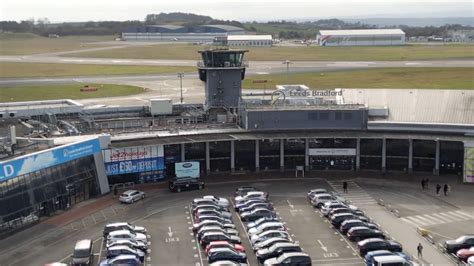
For KLM, this move underscores a return to pre-pandemic scheduling aggressiveness. With travel confidence returning, airlines are reintroducing high-frequency, short-haul routes that serve as feeder lines into global hubs—in this case, Schiphol Airport. The frequency bump also highlights the continued strength of hub-and-spoke models, especially in a recovering European market.
Thai AirAsia Expands Deeper into Vietnam
Low-cost giant Thai AirAsia is ramping up its regional ambitions with the launch of new flights between Bangkok and Hai Phong, Vietnam. With four weekly flights now serving this route, Thai AirAsia expands its Vietnam portfolio to six direct services from Bangkok, signaling a robust intra-ASEAN travel recovery.
This expansion reflects a clear strategy to capture emerging leisure demand, especially among young and budget-conscious Southeast Asian travelers. Hai Phong, an industrial port city with rising tourism potential, gives Thai AirAsia an early foothold in Vietnam’s secondary markets, where growth is often less volatile and competition is still manageable.
FlyOne Bridges Moldova and Southern Italy
In Eastern Europe, Moldovan low-cost carrier FlyOne has unveiled a new direct route between Chisinau and Naples, expanding its footprint into southern Italy. This move serves two crucial segments: Moldovan diaspora living in Italy and Mediterranean-bound tourists seeking sun-soaked holidays.
The route enhances connectivity for Moldova, which remains underserved in terms of international air travel. It also demonstrates how low-cost carriers are playing an instrumental role in reconnecting isolated or emerging markets—places where major flag carriers are slower to return or expand.

Luxair’s Ambitious Summer 2026 Network
Luxair, Luxembourg’s national airline, has announced a record-breaking summer schedule for 2026, with 101 destinations on offer. The rollout includes five new routes and the resumption of four, spanning both European city breaks and beach retreats. Destinations include Helsinki, Porto Santo (Portugal), and dual-destination Greek getaways to Zakynthos and Araxos.
The dual-destination route between Zakynthos and Araxos is particularly noteworthy. By combining two vacation hotspots into one itinerary, Luxair offers travelers greater value, diversity, and convenience—a model that may become increasingly common as airlines look to maximize aircraft utilization while appealing to experience-driven travelers.
Qatar Airways’ Bold Return to Aleppo
After a 14-year absence, Qatar Airways is making a cautious but symbolic return to Syria with its reintroduction of flights to Aleppo. The decision is a measured gamble, considering the still-fragile political environment. Yet, the route reconnects a historically rich city with its scattered diaspora and could represent the start of a broader normalization trend in the region’s airspace.
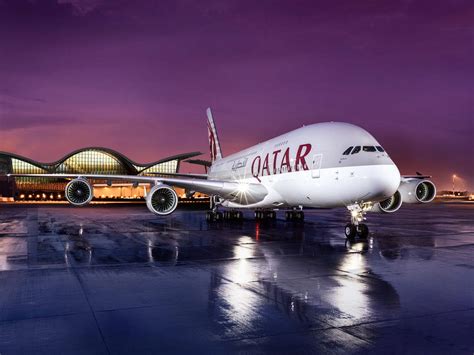
This move highlights Qatar Airways’ willingness to venture into high-risk, high-potential routes, often before its competitors. It also reflects how airlines, especially those in the Gulf, are exploring new revenue centers in post-conflict economies—markets that, if stabilized, could offer significant untapped demand.
How Strategic Expansion Is Reshaping Aviation
Together, these route announcements showcase a new chapter in global aviation, one marked by precision growth, data-driven decisions, and cross-regional partnerships. Airlines are no longer blindly expanding; they are tailoring their strategies based on emerging travel patterns, changing passenger behaviors, and a laser-focus on profitability.
Key trends shaping this expansion include:
- Revival of transatlantic travel, led by airlines like Israir seeking profitable, long-haul opportunities.
- Intra-regional growth across Asia and Europe, where short-haul carriers like Thai AirAsia and FlyOne are flourishing.
- Flexible route design such as Luxair’s dual-destination flights, catering to novelty-seeking tourists.
- Codeshare-driven expansion, exemplified by Etihad and SKY express, which offers scalability without added fleet burden.
- Reengagement with post-conflict or politically sensitive markets, such as Qatar’s Aleppo service.
These shifts indicate a mature, measured comeback for the aviation industry. Where the post-COVID world first required financial triage, 2025 is now about forward momentum and market intelligence. Airlines are no longer reacting; they are anticipating—and shaping—the next generation of travel.
The Passenger’s Perspective: More Choices, Better Experiences
For travelers, these changes bring tangible benefits. Increased frequencies, revived routes, and newly introduced destinations mean shorter layovers, better timings, and more access to off-the-beaten-path locales. Whether it’s sunbathing in Zakynthos, shopping in Amsterdam, or reconnecting with family in Naples, the world is reopening with more options than ever.
Moreover, competitive pressure ensures that airlines are upping their game—from in-flight service to punctuality to fare pricing. Strategic expansion also forces airports to invest in infrastructure, which trickles down to better terminal experiences, smoother transfers, and enhanced security protocols.

Conclusion: Aviation’s Strategic Rebirth
The global travel resurgence is no longer a hopeful forecast—it’s a strategic reality. From Israir’s bold return to the U.S. market to Qatar Airways’ leap into Aleppo, airlines are not just rebuilding; they are reimagining their place in a radically transformed travel landscape. As legacy carriers, budget airlines, and regional operators align their networks with demand and opportunity, the result is an airline industry that is more agile, interconnected, and responsive than ever.
For travelers, that means greater freedom and flexibility. For airlines, it means robust, diversified portfolios. And for the global economy, it means a powerful rebound, carried on the wings of strategy, vision, and resilience.