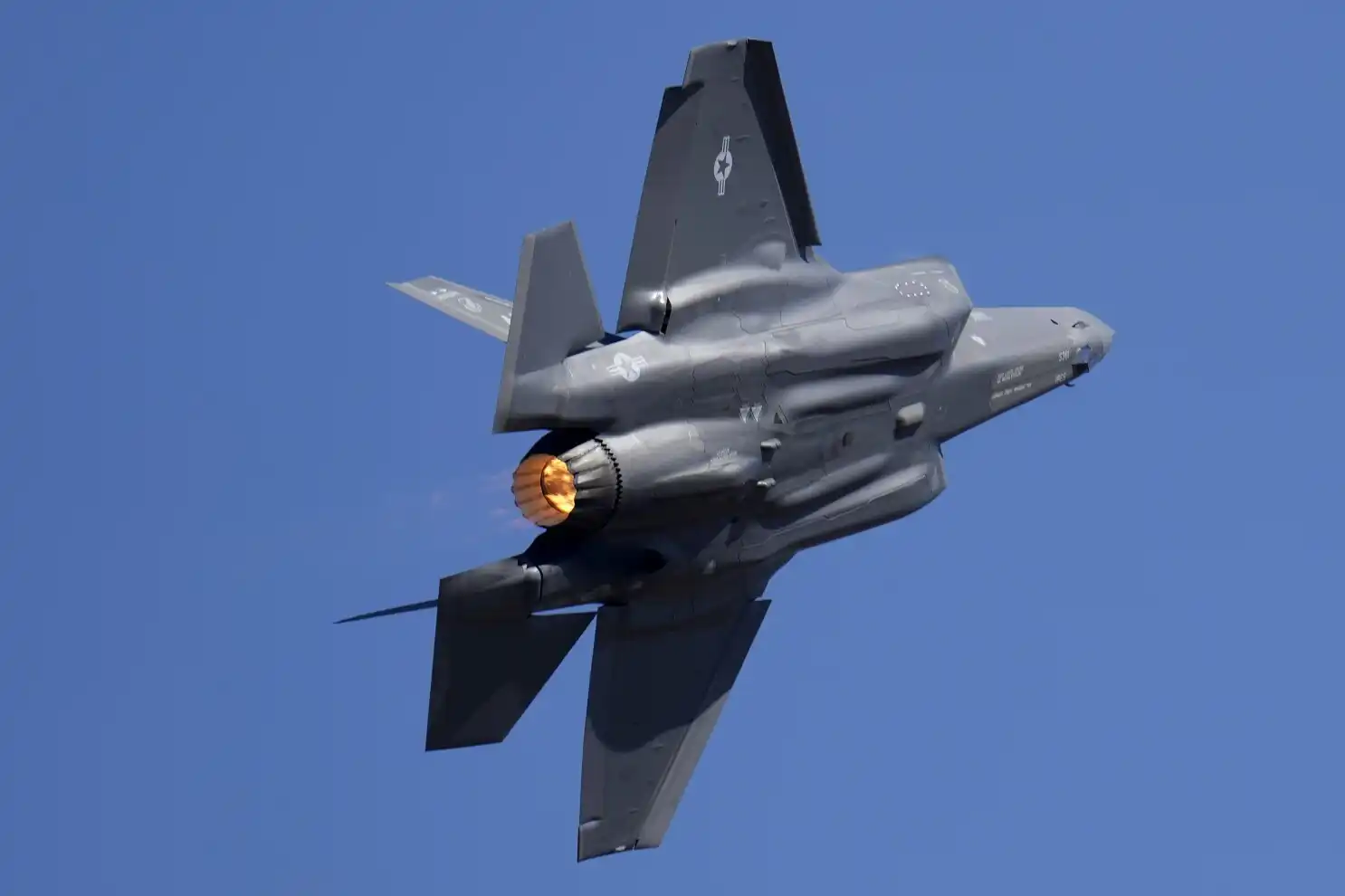
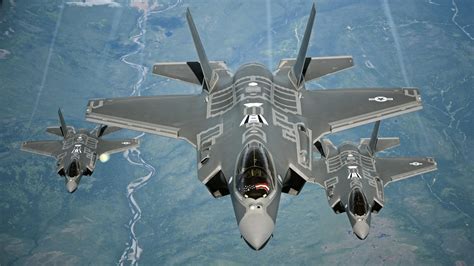
The F-35 Lightning II, a fifth-generation stealth fighter developed by Lockheed Martin, is one of the most advanced military aircraft in the world. However, despite its cutting-edge technology, the F-35 has been involved in several high-profile crashes over the years. These incidents have raised significant concerns regarding the jet’s safety, operational reliability, and its ability to meet the high expectations placed on it by military forces worldwide. This article explores the latest F-35 crash, historical patterns of such incidents, the technical vulnerabilities contributing to these crashes, and the broader implications for military readiness and strategic defense initiatives.
The Latest F-35 Crash: Alaska Incident
On January 28, 2025, an F-35A fighter jet crashed during a routine training exercise at Eielson Air Force Base in Alaska. The incident involved the aircraft spiraling out of control during its approach to land, resulting in a fiery explosion upon impact. Fortunately, the pilot was able to eject safely and was transported to a nearby hospital in stable condition. While the pilot’s safety is a positive outcome, the crash itself raised significant questions about the operational reliability of the F-35 fleet.

Investigation and Findings: The U.S. Air Force’s initial assessment indicated that the crash was caused by an “inflight malfunction,” although they have not confirmed whether this occurred during the takeoff or landing phase. A full investigation is ongoing, but the incident highlights growing concerns about the aircraft’s vulnerability during critical phases of flight. Additionally, the U.S. Air Force reportedly attempted to suppress videos of the crash, citing national security concerns related to the exposure of sensitive technical information.
A Broader Trend: Historical F-35 Crashes
The Alaska crash is not an isolated incident. The F-35 has experienced several crashes and emergency landings since its introduction, contributing to mounting concerns over its safety record. Below are some notable incidents from the past few years:
- May 2024: An F-35B fighter jet crashed in New Mexico due to an electrical fault that led to a catastrophic fire.
- September 2023: A U.S. Marine Corps F-35B crashed in South Carolina during a routine training exercise, with the pilot ejecting successfully.
- March 2021: Two Japanese F-35As were forced to make emergency landings after receiving critical system warnings mid-flight.
- May 2020: An F-35A crashed in Florida after an engine failure during a routine training mission.
- September 2018: The first F-35B crash occurred in South Carolina, caused by a faulty fuel pipe that led to a fire and forced the pilot to eject.
Technical and Operational Vulnerabilities in the F-35 Design
Several recurring technical issues have been identified as contributing factors in many of these F-35 crashes. These vulnerabilities span multiple systems, including flight control, engine reliability, and cockpit instrumentation.
1. Flight Control System
The F-35 is equipped with a highly complex flight control system, with over 8 million lines of software code that control its various subsystems. However, there have been multiple instances where this software malfunctioned during flight. One of the most concerning incidents occurred in 2023, when the cockpit screens of an F-35 went blank mid-flight, rendering the pilot unable to control the aircraft effectively. Such software errors not only jeopardize pilot safety but also raise questions about the overall reliability of the aircraft’s advanced systems.
2. Engine Design
The F-35 is powered by a single-engine F-135 powerplant, derived from the F-22’s engine design. While this engine is designed for high performance, it has been criticized for its reliability issues. In several incidents, engine failures have caused crashes, with the May 2020 F-35A crash in Florida being a prime example. The single-engine design is particularly concerning as it leaves little room for error during high-speed operations or when the aircraft is operating far from a safe landing site.

3. Spatial Disorientation
In several crashes, including a 2019 incident involving a Japanese F-35A, pilots have reported experiencing spatial disorientation—a condition in which pilots lose their sense of direction and altitude during flight. This issue is particularly challenging for pilots operating in high-stress environments, where quick decision-making is crucial. The 2019 crash, which involved the loss of an F-35A over the Pacific Ocean, highlighted the risks associated with this condition, which can result from rapid altitude changes or insufficient spatial awareness cues in the cockpit.
4. Ejection Seat Malfunctions
Another significant vulnerability of the F-35 is the MK16 ejection seat, which has been known to malfunction under certain conditions. In some cases, the ejection seat has triggered automatically, causing the pilot to eject unnecessarily. These issues are particularly concerning as they can result in pilots being ejected during routine or low-risk phases of flight, potentially leading to injuries or operational losses.
Maintenance and Production Challenges
The operational readiness of the F-35 fleet has also been hampered by maintenance and production challenges. In 2023, it was reported that only 53.1% of the F-35s in service were considered mission-ready, with only 30% deemed combat-capable. This poor readiness rate raises concerns about the long-term viability of the F-35 program, especially given the high costs associated with its development and maintenance.
1. Cost-Cutting Measures
Lockheed Martin, the primary contractor for the F-35, has been accused of employing cost-cutting measures that compromise the quality of parts used in production. One such example occurred in 2023, when a batch of F-35C fighter jets was found to have fuel contaminated with metal shavings. These types of issues are particularly concerning, as they could cause catastrophic failures in critical components, including the aircraft’s engines or avionics.
2. “Frankenbird” Repairs
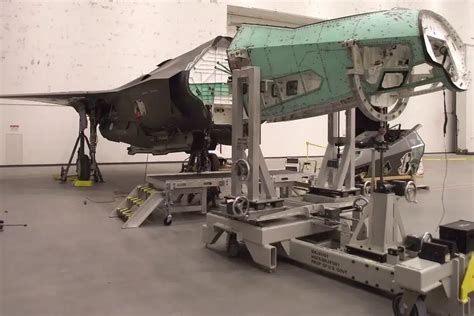
In some cases, the U.S. Air Force has resorted to creative—and expensive—solutions to keep the F-35 fleet operational. One such example is the “Frankenbird” project, where two damaged F-35s were merged into one fully functional aircraft at the cost of $6 million. While this might be seen as an efficient solution in the short term, it raises concerns about the long-term sustainability of the F-35 program and the potential risks of using patched-together aircraft in combat.
Strategic and Financial Implications
The F-35 program has been one of the most expensive defense projects in history, with each F-35A unit costing around $81 million as of 2024. The total cost of the program is projected to exceed $2 trillion by 2088, making it a significant financial burden for the U.S. and its international partners. Critics, including high-profile figures such as Elon Musk, argue that the F-35 may already be obsolete in the age of drones, suggesting that unmanned aerial vehicles (UAVs) could offer superior performance at a fraction of the cost.
1. Global Reputation and NATO Allies
The recurring crashes of the F-35 have also eroded confidence among NATO allies and other international buyers. Several countries that have invested heavily in the F-35 program are beginning to question whether the aircraft is worth the investment. This erosion of trust could impact future defense collaborations and may drive nations to seek alternative solutions.
2. Competition with China
The F-35’s crash record is in stark contrast to that of China’s J-20 fighter jet, which has had no reported crashes since its induction into service. The J-20, a rival stealth aircraft, has emerged as a viable competitor to the F-35, especially in the context of growing tensions in the Indo-Pacific region. The contrast between the two aircraft’s safety records highlights the challenges the U.S. faces in maintaining its technological edge in the face of evolving competition.
Conclusion
The F-35’s ongoing crashes are the result of a complex interplay of technical, operational, and production-related challenges. While the U.S. military has taken steps to address these issues, such as implementing “Frankenbird” repairs and conducting thorough investigations into each incident, the underlying problems—ranging from software glitches to maintenance shortcomings—remain unresolved. As the F-35 program continues to face scrutiny, it is clear that there are significant challenges to overcome in order to ensure the aircraft’s long-term viability and safety in combat.
FAQ
1. What are the main causes behind the F-35 crashes?
The main causes include technical vulnerabilities, such as software malfunctions in the flight control system, engine reliability issues, and spatial disorientation among pilots. Maintenance and production challenges also play a significant role in the aircraft’s poor readiness rates.
2. How does the cost of the F-35 program compare to other defense projects?
The F-35 program is one of the most expensive defense projects in history, with the total cost projected to exceed $2 trillion by 2088. Each F-35A unit costs around $81 million as of 2024, making it a substantial financial commitment for the U.S. and its allies.
3. What are the implications of the F-35’s safety record for global defense?
The F-35’s safety record has raised concerns among international buyers, especially NATO allies. The frequency of crashes has eroded trust in the aircraft, potentially influencing future defense collaborations and prompting nations to explore alternative solutions such as drones or rival aircraft like China’s J-20.