Overview of F-22 “Raptor” Crash Incidents
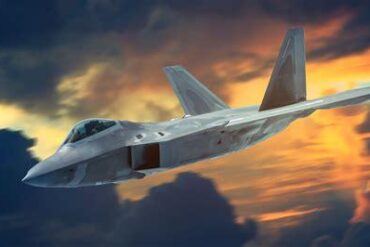
The F-22 Raptor, the world’s first fifth-generation stealth fighter, is renowned for its unmatched maneuverability, advanced avionics, and air superiority. However, since its introduction, the aircraft has experienced several high-profile accidents. These incidents have highlighted both technical vulnerabilities and human factors affecting its operational safety.
Recent F-22 Crashes and Incidents
May 2024 – Landing Gear Collapse in Georgia
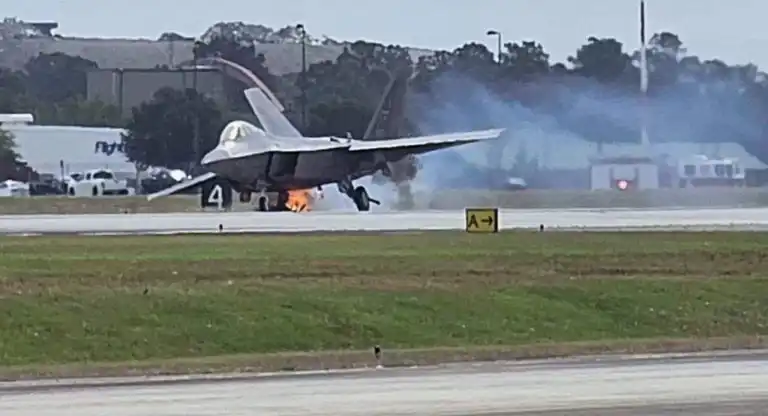
On May 6, 2024, an F-22 stationed at Savannah/Hilton Head International Airport suffered a right main landing gear collapse during the Savannah Sentinel exercise. As a result, the aircraft tilted sideways upon landing. Fortunately, the pilot escaped without injuries.
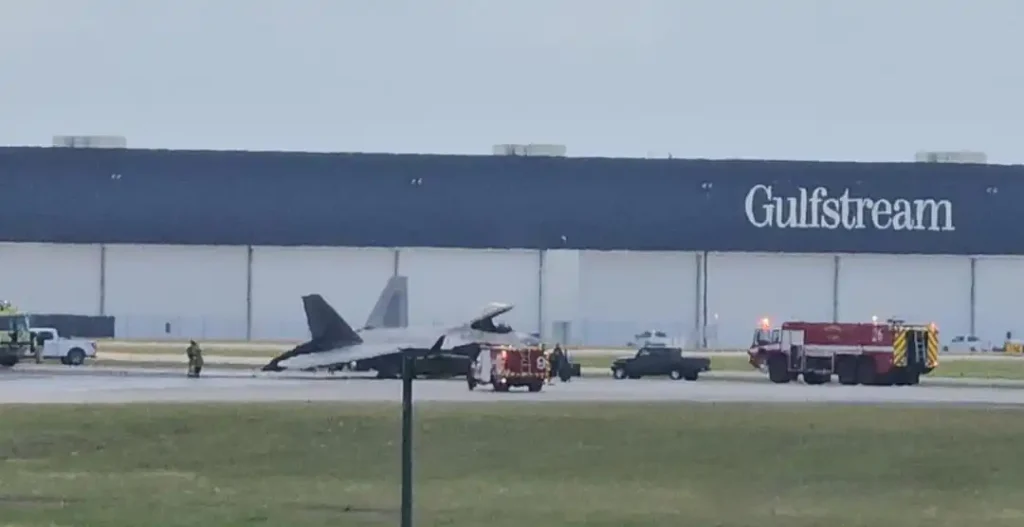
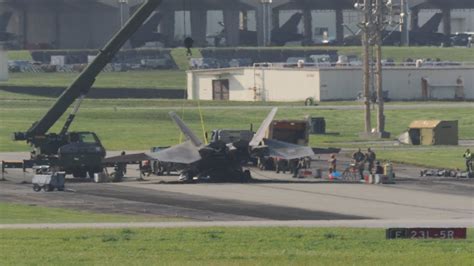
This event marked the fifth landing gear-related failure in five years, raising concerns about the reliability of the aircraft’s landing gear mechanisms. A similar mishap occurred in April 2024 at Kadena Air Base, Japan, when an F-22’s nose landing gear failed during taxiing.
May 2020 – Fatal Crash Due to Maintenance Oversight
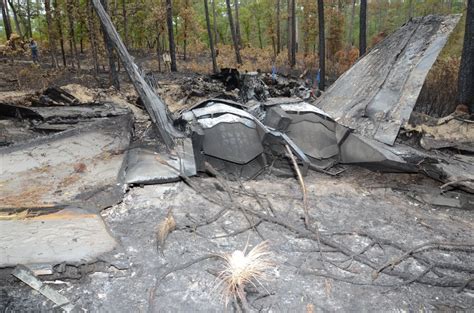
In May 2020, an F-22 crashed during a training exercise in Florida after the pilot lost control mid-flight. Subsequent investigations revealed that a sensor had been mistakenly taped over during routine cleaning and was never removed. This corrupted the aircraft’s flight-control system, ultimately leading to the accident.
The crash resulted in the total loss of the $200 million fighter, further exacerbating concerns regarding maintenance errors and operational safety.
October 2020 – Auxiliary Power Unit Fire
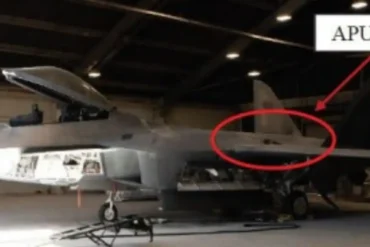
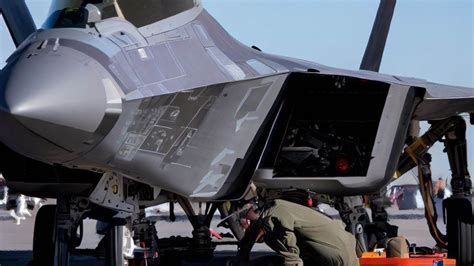
Another serious accident occurred in October 2020 at Nellis Air Force Base, Nevada, when an Auxiliary Power Unit (APU) fire severely damaged an F-22. Investigations determined that a maintenance crew had forgotten to reinstall an exhaust pipe, leading to extreme overheating. This resulted in $2.69 million in damage, categorizing the incident as an A-level accident (severe damage or total loss of the aircraft).
May 2012 – Touch-and-Go Failure at Tyndall AFB
On May 31, 2012, F-22 #02-4037 was badly damaged when it failed to lift off during a touch-and-go maneuver at Tyndall Air Force Base (AFB). The aircraft suffered approximately $35 million in damage, requiring extensive repairs.
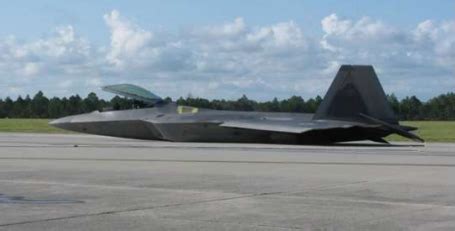
The repair effort, which began shortly after the mishap, involved a team of USAF, Lockheed, and Boeing structural repair experts. During the process, scratches to the wing and stabilator skins were repaired, and the skins and doors of the central and aft fuselage were replaced.
Additional structural reinforcements were necessary, including the installation of metallic and carbon fiber patches to address two internal component damages—a fuselage bulkhead and a section of wing skin. The most extensive repairs were made to flight station 637, where buckled webs required large structural patches.
After a six-year repair effort, the aircraft was deemed serviceable again in March 2018, demonstrating the USAF’s commitment to keeping its limited number of F-22s operational rather than writing them off after extensive damage.
Historical F-22 Crashes (1992–2009)
1992 – Prototype Crash
The first-ever F-22 prototype crashed in 1992 due to a fly-by-wire system malfunction. This early incident, though a setback, played a crucial role in refining the aircraft’s digital flight-control system. The test pilot ejected safely.
2004 – Unexplained Mid-Air Failure
During a 2004 test flight, an F-22 pilot was forced to eject due to an unexplained mid-air system failure. The exact cause of this incident remains classified, with only limited details available to the public.
2009 – Fatal Crash in California
On March 25, 2009, a test mission turned fatal when pilot David Cooley lost his life in an F-22 crash over the California desert. This was the third recorded F-22 crash at the time, prompting renewed concerns about the aircraft’s high workload and complexity.

Systemic Issues and Lessons Learned
Recurring Technical Vulnerabilities
Despite being the most advanced stealth fighter in the world, the F-22 Raptor has exhibited multiple technical vulnerabilities, particularly in its landing gear, avionics, and stealth coatings. These complex systems require highly specialized maintenance, and even minor oversights—such as an unremoved tape on a sensor—can lead to catastrophic failures.
Human Factors and Safety Protocols
Some crashes have been linked to human errors, including pilot decisions to bypass safety protocols. In the 2020 Florida crash, the pilot failed to recognize cockpit alerts warning of an impending control failure.
Financial Impact of F-22 Mishaps
Since the F-22 production line was shut down in 2011, each aircraft loss represents an irrecoverable blow to the U.S. Air Force fleet. Repairing or refurbishing damaged units is often extraordinarily expensive. For instance, a 2012 runway friction-related accident required $35 million in repairs, showcasing the high cost of maintaining the aging fleet.
Conclusion
The F-22 Raptor remains the pinnacle of air superiority, yet its history of crashes and mechanical failures underscores the challenges of maintaining cutting-edge military technology. The recurring landing gear failures, maintenance-related mishaps, and high repair costs highlight systemic issues that require continued investigation and improvement.
FAQ Section
1. How many F-22 Raptors have crashed since their introduction?
As of 2024, at least 10 major F-22 crashes have been recorded, with several additional incidents involving landing gear failures, fires, and system malfunctions. While some of these were non-fatal, others resulted in total aircraft losses and even pilot fatalities.
2. What is the most common cause of F-22 crashes?
The most frequently identified causes include landing gear failures, maintenance errors, software malfunctions, and human factors. Several crashes have been traced back to small yet critical maintenance oversights, such as failing to reinstall essential components or improperly handling sensors.
3. How much does it cost to repair a damaged F-22?
Repair costs vary depending on the severity of the damage. For example, an A-level accident (severe damage) can cost anywhere from $10 million to $50 million per incident. In extreme cases, such as total loss, the replacement value of an F-22 exceeds $200 million, not including operational and maintenance expenses.