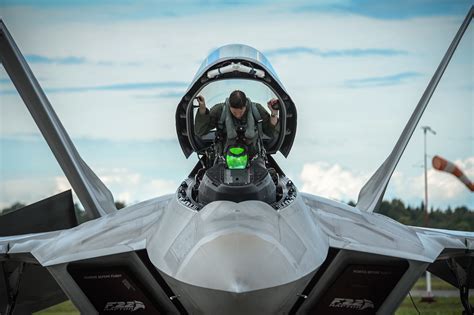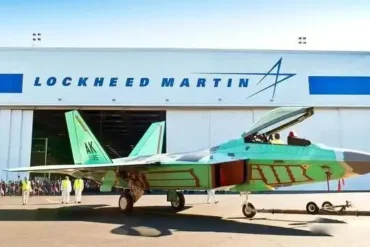
The F-22 Raptor, the world’s first fifth-generation stealth fighter, incorporates an advanced Auxiliary Power Unit (APU) to support critical operations. This subsystem plays a vital role in power generation, engine startup, and emergency hydraulic system operations, ensuring the aircraft maintains combat readiness under all conditions. Below, we explore the APU’s structure, functions, associated systems, and maintenance requirements in detail.
APU Location and Structural Design
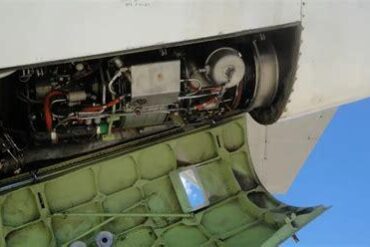
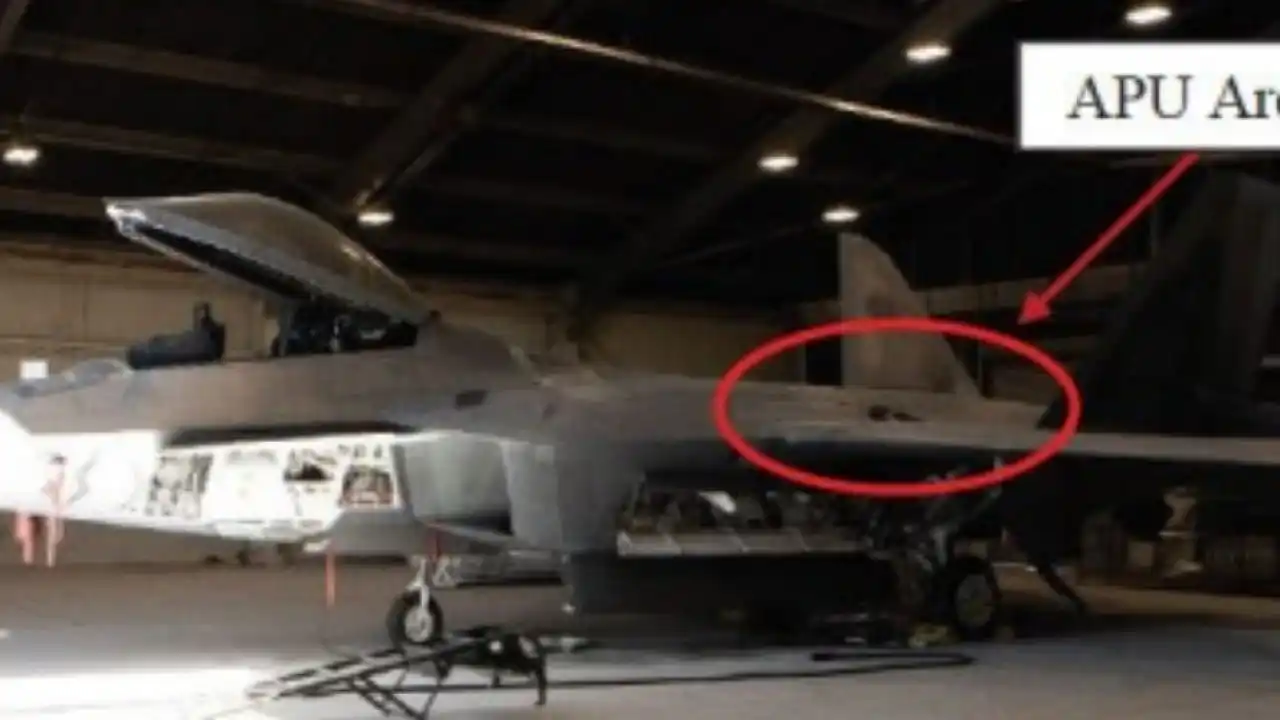
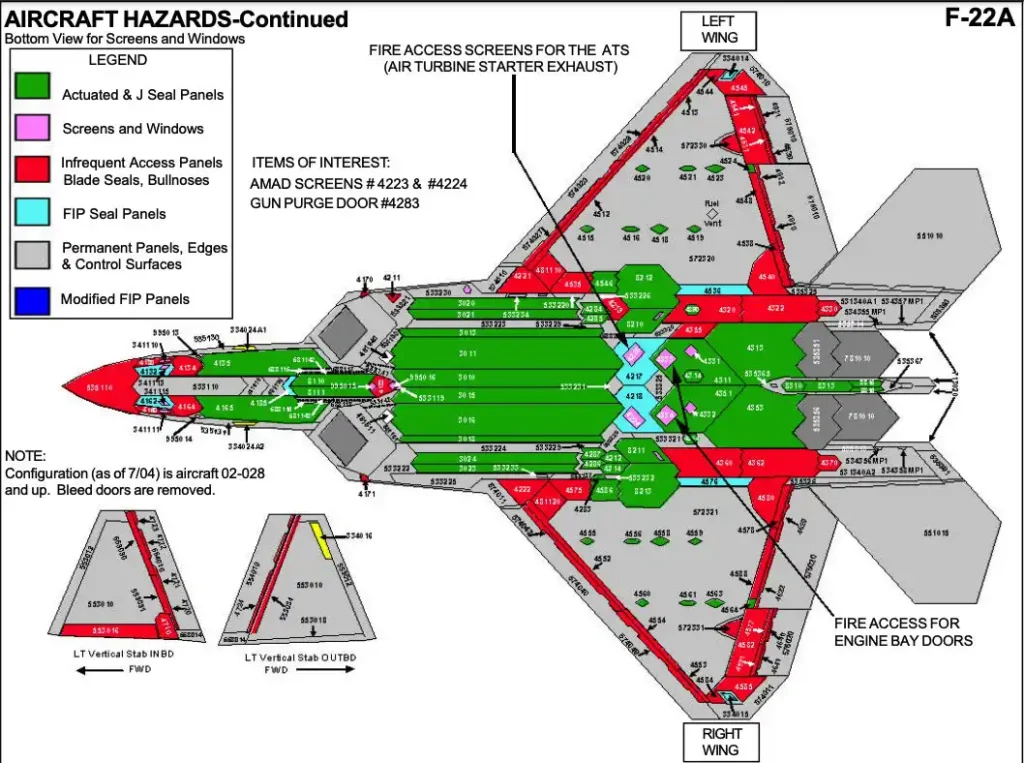
The APU is strategically located in the mid-fuselage section, specifically near the left main landing gear bay. This placement optimizes accessibility for maintenance personnel while maintaining the aircraft’s stealth characteristics.
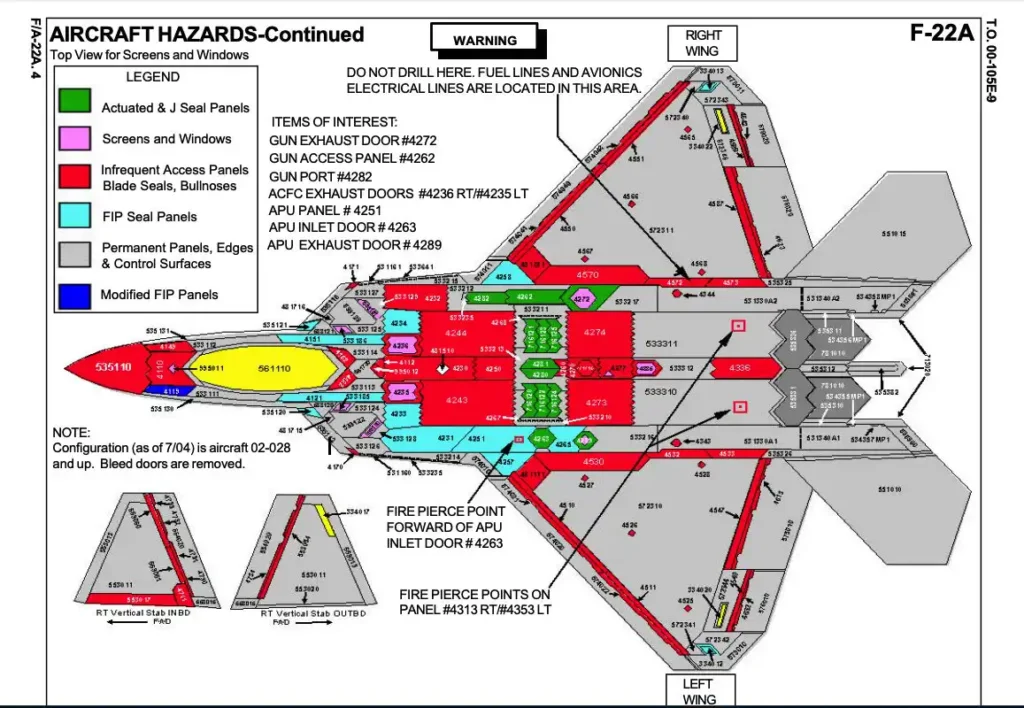
- Inspection Access Points: The APU is serviced through access panels #4283, #4223, and #4224, allowing for quick inspections and repairs.
- Exhaust and Intake Locations: The exhaust door is positioned at #4289, while the intake doors are at #4235 (LTRT) and #4263 (APU intake door).
- Cooling and Ventilation: The APU incorporates a heat dissipation system, using high-temperature-resistant alloys to withstand extreme conditions.
APU Functions and Operations
The F-22’s APU serves multiple essential functions, ensuring the aircraft’s operational efficiency in both ground and flight scenarios.
1. Power Generation and Engine Start
The APU is an independent power source designed to start the F119-PW-100 engines and supply emergency electrical power. It operates via the Stored Energy System (SES), which delivers high-pressure air and fuel to initiate combustion.
- The SES module is mounted on the APU gearbox, providing a self-start capability without external power.
- Once activated, the APU supplies power to avionics, hydraulic systems, and onboard diagnostics, ensuring operational readiness.
2. Emergency Shutdown and Safety Mechanisms
The APU includes multiple shutdown and safety protocols for emergency situations.
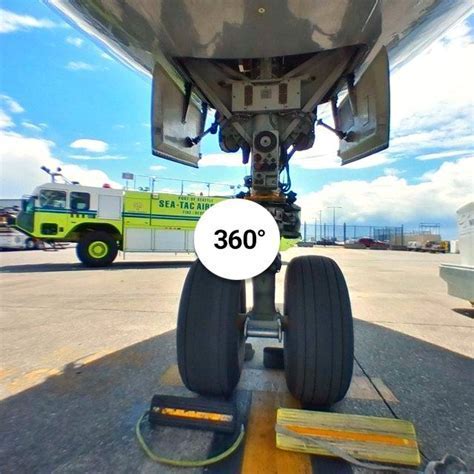
- Emergency Shutoff Switch: Located in the left main landing gear bay, allowing ground crews to disable the APU quickly.
- Fire Suppression System: The fire extinguisher system is positioned near the right-side glare shield, capable of flooding the APU inlet with fire retardant in case of overheating or fire.
- Multi-Mode Shutdown: The APU can be deactivated using five different methods, including:
- Electronic Control Switch
- Fire Suppressant Injection
- PMA Maintenance Command (via diagnostic equipment)
- Manual Power Cutoff
- Mechanical Disconnection
Integration with Other Aircraft Systems
The APU is deeply integrated with the F-22’s fuel, pneumatic, and hydraulic systems, ensuring redundancy and operational resilience.
1. High-Pressure Air Distribution
The APU-generated high-pressure air is used beyond self-operation, supplying:
- Weapons bay door actuation
- Emergency landing gear deployment
2. Fuel System Interactions
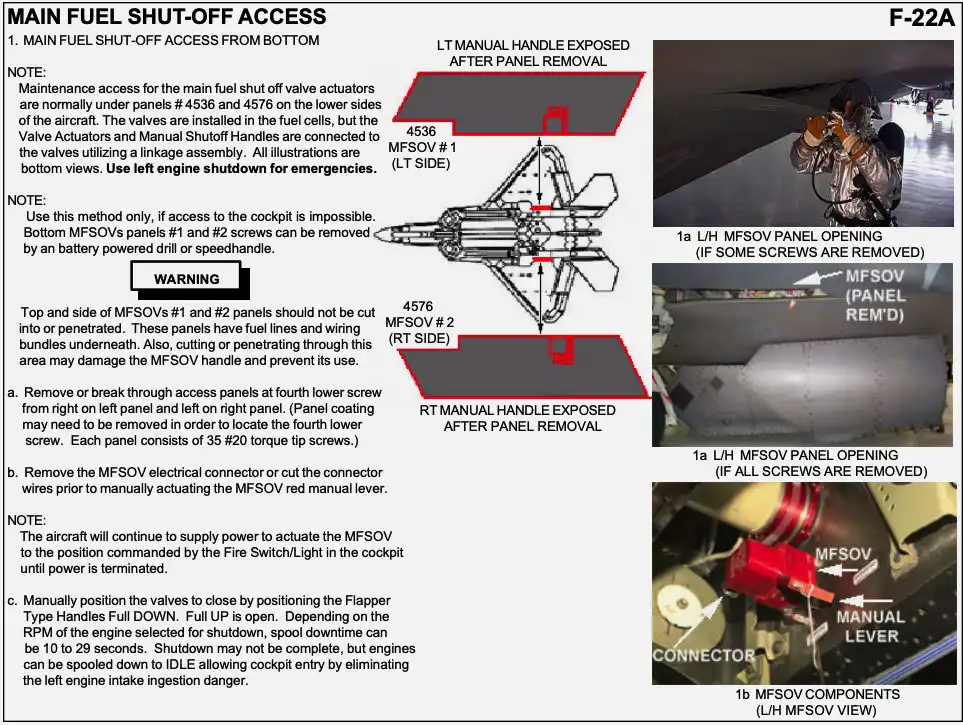
The APU fuel supply is managed through the main fuel shutoff valves located at #4536 and #4576. In emergency conditions, pilots can manually cut off fuel flow to the APU to ensure total shutdown.
Maintenance and Safety Considerations
The APU maintenance panel (#4211) is positioned on the left-rear fuselage, enabling technicians to perform diagnostics, repairs, and replacements with specialized tools.
1. Maintenance Access & Procedures
- The panel requires specialized tools, including rubber mallets and emergency saws, for access.
- Routine maintenance checks focus on fuel lines, high-pressure air supply, and exhaust system integrity.
2. Safety Interlocks and Ground Operations
- The APU control system is interlinked with the ejection seat ground safety pin, preventing accidental activations.
- Automated failure detection alerts in the cockpit notify pilots of APU malfunctions, allowing preemptive actions before flight.
Conclusion
The F-22 Raptor’s APU is a critical subsystem that ensures the aircraft’s self-sufficiency in engine startup, power redundancy, and emergency situations. Designed with high efficiency, safety interlocks, and integrated controls, the APU exemplifies the F-22’s advanced systems architecture. By maintaining rigorous maintenance protocols and safety measures, operators can ensure the APU functions reliably under all mission conditions.
Frequently Asked Questions (FAQ)
1. What makes the F-22 APU different from other fighter jets?
The F-22’s APU is uniquely integrated with its Stored Energy System (SES), allowing independent startup without relying on external ground power units. Additionally, its multi-mode shutdown capability and redundant safety systems enhance reliability compared to previous-generation fighters.
2. Can the F-22 operate without an APU?
While the main engines provide primary power, the APU is essential for engine start, emergency power generation, and certain hydraulic functions. Without an operational APU, the aircraft may face delays in startup and compromised redundancy in emergency scenarios.
3. How often does the APU require maintenance?
The APU undergoes routine inspections after a set number of flight hours, typically during scheduled maintenance cycles. Additionally, pre-flight checks ensure that the system remains operational before every mission.