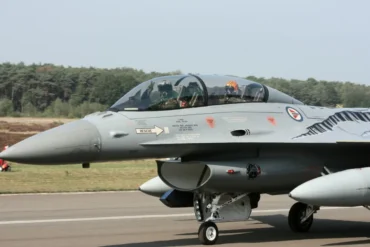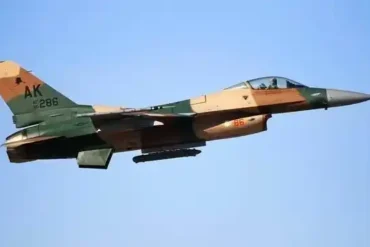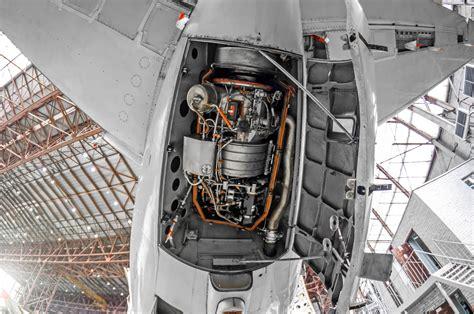
The Auxiliary Power Unit (APU) is an integral component of modern aviation, especially in commercial and military jet aircraft. Positioned near the rear of the fuselage, this compact turbine engine plays a vital role in ensuring the self-sufficiency of aircraft systems, particularly when the main engines are not running. Despite its relatively small size and limited operational time during flight, the APU’s function is critical for pre-flight, post-landing, and emergency scenarios.
An APU is not designed to provide thrust. Unlike a traditional jet engine, it doesn’t drive the aircraft forward. Instead, it serves as a versatile onboard power plant, supplying both electrical energy and bleed air. This dual capability makes it invaluable for ground operations and select phases of flight.
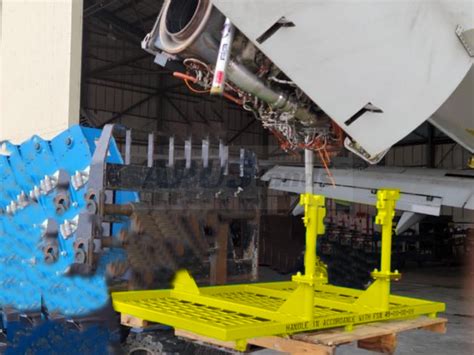
Primary Functions of the APU
The APU operates independently of the aircraft’s main engines. Its core responsibilities include:
-
Starting Main Engines: The APU powers the electrical and pneumatic systems needed to start one or more of the aircraft’s primary engines.
-
Supplying Electrical Power: It generates electricity to operate systems such as cockpit avionics, cabin lighting, galley equipment, and ground air conditioning.
-
Providing Bleed Air: The APU’s compressor supplies bleed air to operate environmental control systems (ECS), ensuring passenger comfort on the ground.
-
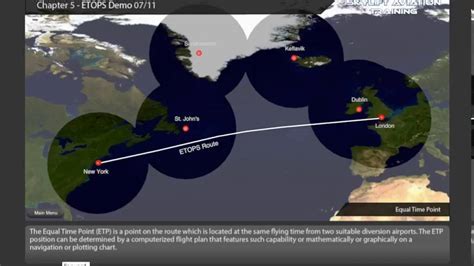
Emergency Backup Power: In flight, particularly in ETOPS (Extended-range Twin-engine Operational Performance Standards) operations, the APU may be used as a critical redundancy system.
Technical Composition and Placement
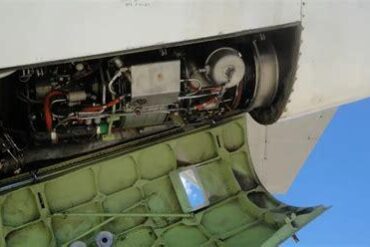
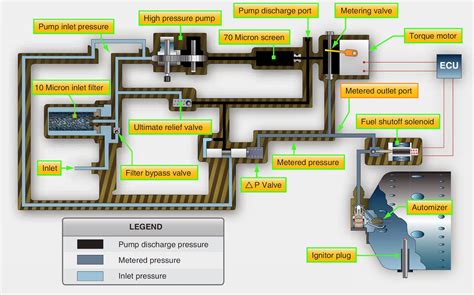
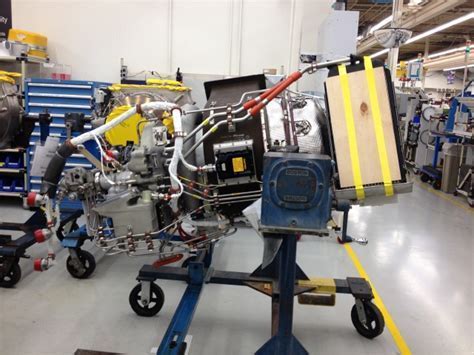
The typical APU is a self-contained gas turbine engine, incorporating:
-
Compressor section for air intake
-
Combustion chamber to burn fuel
-
Turbine section to drive both the compressor and accessories
-
Gearbox connecting to an electric generator and an air compressor
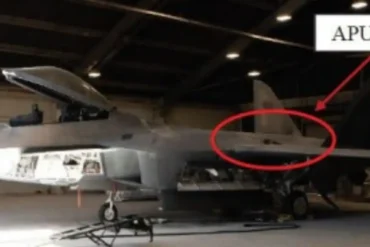
APUs are usually located in the tail cone or aft fuselage to isolate them from passenger compartments and simplify exhaust management. Their relatively small exhaust ports are vented away from the aircraft body, underscoring the difference from a thrust-generating engine.
Evolution and Historical Development
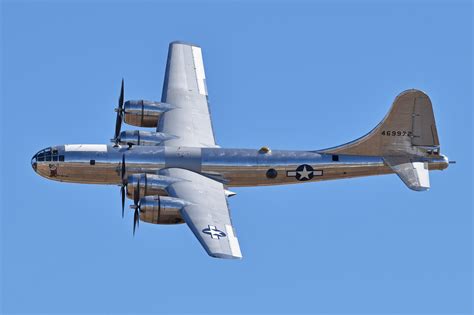
The APU’s journey began in military aviation. Early examples, such as those on the B-29 Superfortress, resembled motorcycle engines embedded within the fuselage. These primitive systems laid the groundwork for more advanced designs, including those in Convair’s XP5Y-1 prototype.
Boeing’s 727 became the first of its line to include a factory-installed APU. Earlier models like the Boeing 707 lacked this feature, relying instead on external ground power units (GPUs). Since then, APUs have become standard in most mid-sized and large jets, including modern airliners and military transport aircraft.
Role in Pre-Flight and Turnaround Operations
Before engine start, the APU is used to power avionics, air conditioning, and cabin lighting, enabling crews to prepare the aircraft for boarding. In hot climates such as Miami, the environmental packs driven by APU bleed air are indispensable, cooling the cabin for up to 30 minutes before passengers board.
In colder regions like Fargo, North Dakota, the same system helps warm the aircraft interior, proving essential for both comfort and operational safety. Notably, this process allows airlines to maintain schedule punctuality while avoiding main engine starts on the ground, conserving fuel and reducing wear.
ETOPS Operations and Emergency Usage
In ETOPS-certified aircraft, which fly over vast oceanic or remote routes, the APU assumes a greater strategic value. It must be capable of cold-starting at high altitudes in low-temperature conditions. This is tested rigorously before flight to ensure that, in the event of a main engine failure, the APU can step in to supply essential systems.
These include:
-
Hydraulic pressure maintenance
-
Electrical bus continuity
-
Pressurization support via ECS
Environmental and Regulatory Considerations
Despite their utility, APUs have their drawbacks — noise being the most prominent. Turbine engines, even compact ones, emit a high-frequency whine, especially during bleed air activation. This has led to operational restrictions at several urban airports, particularly during nighttime hours, to minimize disturbance to nearby residential communities.
Regulatory measures enforced by airport authorities may include:
-
Time limitations on APU usage
-
Designated start/shutdown zones
-
Fines for violations in noise-sensitive areas
Manufacturers have responded with quieter APUs, equipped with sound dampening and muffling technology, but the challenge remains prominent in older aircraft still in commercial fleets.
Maintenance and Operational Life Cycle
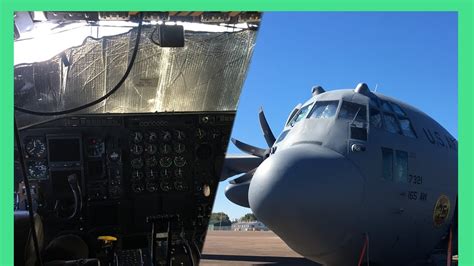
Unlike main engines which require scheduled overhauls based on strict intervals, many APUs are treated as “run-to-failure” components. Their design favors operational durability, allowing for extended use with minimal intrusive maintenance, unless ETOPS protocols apply.
Maintenance protocols typically include:
-
Periodic inspection of fire suppression systems
-
Monitoring for oil leakage or contamination
-
Compressor and turbine blade integrity checks
In modern aircraft, the APU is also monitored by digital diagnostics systems, which alert maintenance teams to performance deviations or potential failures before they become critical.
Manufacturers and Industry Standards
Most APUs are produced by specialized aerospace subcontractors under stringent specifications dictated by the aircraft manufacturer. Leading APU manufacturers include:
-
Honeywell Aerospace
-
Pratt & Whitney Canada
-
Safran Power Units
These firms engineer units that precisely meet the electrical load requirements, bleed air demands, and installation constraints of each aircraft model.
Certification standards are governed by authorities such as the FAA and EASA, ensuring reliability across extreme operational environments.
Frequently Asked Questions
What is the difference between an APU and a jet engine?
While both the APU and jet engines are gas turbines, only the main engines are designed to generate thrust for propulsion. The APU is focused on auxiliary functions, such as powering electrical systems and providing bleed air for air conditioning and engine starts. It exhausts air overboard and does not contribute to the aircraft’s movement.
Why don’t all aircraft have an APU?
Smaller aircraft, like the Cessna Citation CJ or Eclipse Jet, often omit APUs due to weight and efficiency considerations. Adding even a small turbine affects the aircraft’s useful load and fuel economy. Instead, these aircraft rely on ground power units (GPUs) for pre-flight operations.
Can the APU be used during flight?
Yes, but typically only in emergency scenarios or specific mission profiles such as ETOPS operations. In flight, the APU can supply backup electrical and pneumatic power if a main engine or system fails. However, under normal conditions, it is shut down after engine start and reactivated only after landing.