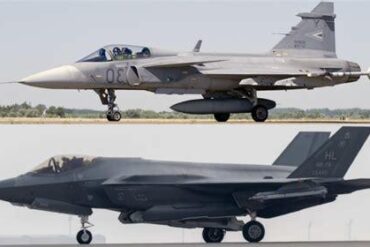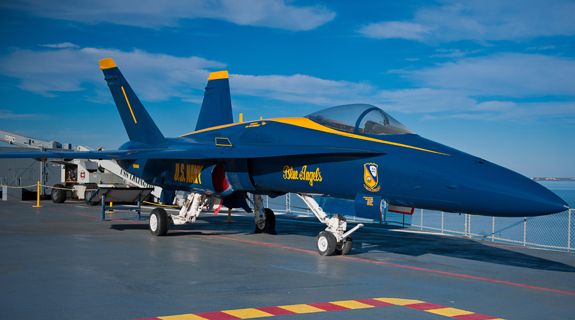
The F/A-18 Hornet and F/A-18E/F Super Hornet rely on a highly specialized Auxiliary Power Unit (APU) to maintain operational readiness in complex environments. This gas turbine-powered system plays a pivotal role in starting the main engines, supporting onboard electronics, and ensuring emergency power availability. The APU is integral to the aircraft’s self-sufficiency, allowing for reduced reliance on ground support equipment.
The Functionality of the F/A-18 APU
The F/A-18’s APU is classified as a mechanical-type gas turbine starter designed primarily to supply compressed air and electrical power for engine startup. In addition to initiating main engine operation, the APU also sustains critical onboard systems when the primary engines are offline. This includes avionics, hydraulic systems, and electrical subsystems necessary for mission preparedness.
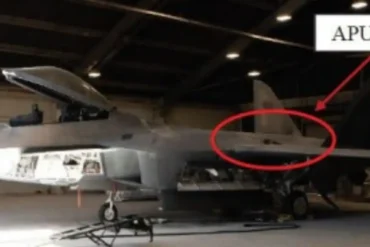
Positioned at the aft fuselage, the APU operates independently from the main engines. By using a compact gas turbine engine, it provides a reliable energy source, ensuring the aircraft remains functional without requiring extensive ground-based infrastructure. This self-reliance is particularly crucial for carrier-based operations, where immediate readiness is paramount.
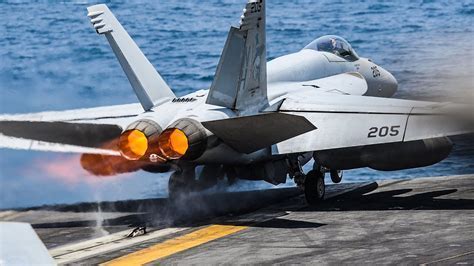
Technical Characteristics of the F/A-18 APU
Structural Design
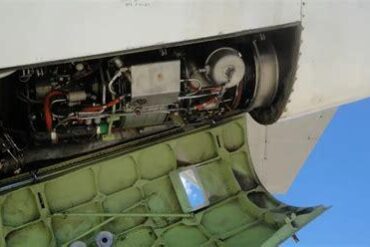
The APU is a modular power package, composed of a small gas turbine engine coupled with an integrated generator. It is engineered for sustained operation and delivers multiple energy outputs, including:
- Electrical power to avionics and essential aircraft subsystems.
- Pneumatic power to drive air turbine starters for the General Electric F404 (F/A-18C/D) or F414 (F/A-18E/F) engines.
This design allows for a lightweight yet high-output configuration, with a power-to-weight ratio exceeding 0.6 kW/kg, ensuring efficient startup even in adverse conditions.
Startup Process and Operation
Upon pilot activation, the APU starts by igniting the gas turbine, which generates high-speed exhaust gases. These gases spin a turbine that provides rotational force to drive the main engine starter.
The startup cycle follows a precise sequence:
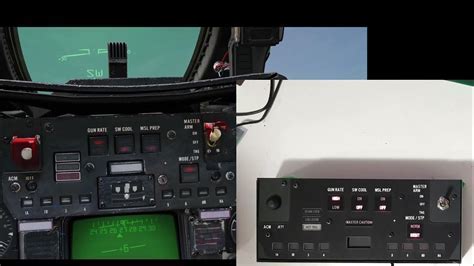
- Pilot engages the APU switch in the cockpit.
- The APU ignites and begins rotating.
- Pneumatic pressure is supplied to the engine starter.
- The main engine spools up, leading to full ignition.
- The APU continues providing auxiliary power until the engines take over.
During cold starts, the APU may emit temporary black smoke, which results from the combustion of residual fuel. This is a normal operational characteristic and does not indicate a malfunction.
Development and Evolution of the APU
Third-Generation Fighter APU Advances
The F/A-18 was developed during the era of third-generation jet fighters, which demanded more powerful and reliable starting mechanisms. Early aircraft used electrical starters, but these were insufficient for high-thrust turbofan engines. The APU system was introduced to replace outdated methods, providing enhanced reliability and efficiency.
With the introduction of the F/A-18E/F Super Hornet, the APU was further refined. Key upgrades included:
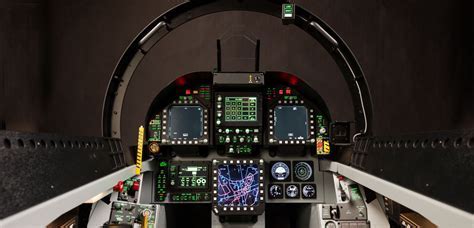
- Improved avionics integration, allowing for touchscreen-based startup management.
- Faster response times, optimizing operational efficiency during carrier-based launches.
- Enhanced durability, ensuring performance in high-stress combat environments.
These refinements made the Super Hornet’s power system more streamlined, reducing pilot workload while maintaining a high level of system redundancy.
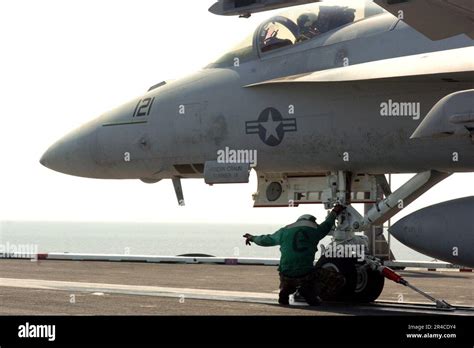
Operational Scenarios of the F/A-18 APU
Carrier-Based Deployments
For naval aviation, the APU is an indispensable component. On aircraft carriers, space constraints and harsh environmental conditions demand a self-sustaining power solution. The APU enables:
- Rapid engine startup in high-wind, salt-laden conditions.
- On-deck power availability, ensuring that avionics remain operational during preflight checks.
- Emergency electrical supply, critical for safe carrier operations.
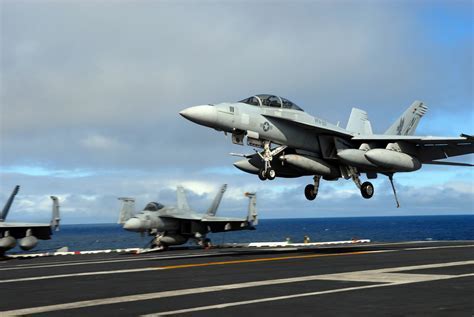
Emergency Power and In-Flight Reliability
In the event of main engine failure, the APU can be engaged to:
- Restart an engine in flight, supplying necessary pneumatic and electrical power.
- Maintain avionics functionality, allowing pilots to assess and resolve failures.
- Provide temporary power, keeping key systems online until an alternate landing site is reached.
This emergency function is particularly valuable during combat missions, where reliable power restoration can determine mission success or aircraft survival.
Conclusion
The F/A-18’s APU is an essential system that ensures operational flexibility, rapid deployment, and in-flight reliability. By integrating a high-performance gas turbine, it delivers both pneumatic and electrical power, supporting critical systems even under extreme conditions. As carrier-based combat aircraft continue evolving, the APU remains a fundamental component in ensuring mission readiness and survivability.
Frequently Asked Questions
1. What happens if the F/A-18 APU fails during startup?
If the APU fails, the aircraft will be unable to generate compressed air for main engine ignition. In this case, ground-based external power units may be used. On an aircraft carrier, a deck-start unit can provide temporary startup assistance.
2. How long can the APU run without main engines?
The APU can operate for an extended period, but it is primarily designed for short-duration use during startup or emergencies. Prolonged APU operation may lead to fuel consumption concerns and is typically avoided unless necessary.
3. Does the APU provide power during combat missions?
While the APU is not typically used during combat, it serves as a backup power source. If an engine issue arises, the APU can assist in restarting an engine or maintaining essential systems until a resolution is found.