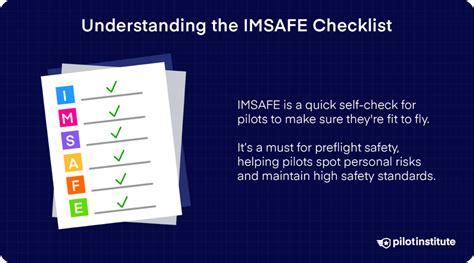
Aviation safety is governed not only by the mechanical integrity of an aircraft but also by the physical and psychological preparedness of the pilot. The IMSAFE checklist stands as one of the most effective self-assessment tools available to pilots, ensuring they are as ready to fly as their aircraft is. Originating from a systematic need to reduce pilot error—a contributing factor in a significant portion of aviation accidents—the IMSAFE checklist empowers pilots to perform a concise yet thorough personal health assessment before every flight.
The acronym IMSAFE encapsulates six crucial components: Illness, Medication, Stress, Alcohol, Fatigue, and Emotion. Each element represents a specific area of concern that can impair a pilot’s ability to operate an aircraft safely. Far from being a formality, this checklist forms the psychological and physiological foundation upon which flight safety is built.
Understanding the IMSAFE Acronym
We must examine each aspect of the IMSAFE checklist in-depth to understand its indispensable value in aviation.
Illness: A Hidden Hazard
Flying while ill is more than just uncomfortable—it can be dangerous. Even a minor illness like a cold can compromise critical functions such as hearing, sinus pressure regulation, and concentration. For example, a slight sinus infection can cause extreme pain or disorientation at altitude due to pressure changes, increasing the risk of vertigo or cognitive impairment.
Additionally, many illnesses subtly impair judgment. A pilot with a low-grade fever may feel fit on the ground, only to experience blurred thinking or fatigue at 10,000 feet. Pilots must ask: “Am I truly at my best today?” If there’s any doubt, consulting an Aviation Medical Examiner (AME) or deferring the flight is the most responsible decision.
Medication: What’s in Your System?
The second component of IMSAFE—Medication—demands careful attention. The Federal Aviation Administration (FAA) strictly regulates the use of medications for good reason. Even over-the-counter drugs like antihistamines or cold remedies can impair a pilot’s reaction time, vision, or decision-making ability.
It’s not just about the medication itself, but how your body reacts to it. Some medications, especially those with sedative effects, may remain in your system longer than expected. That drowsy feeling might not manifest until you’re midair and facing a complex navigation decision. Always review FAA guidance and consult an AME when taking any medication before a flight.
Stress: The Invisible Weight
Stress is often underestimated, but its impact on aviation safety can be profound. A pilot under stress may exhibit delayed reaction times, impaired problem-solving, or even tunnel vision in critical scenarios. These effects are especially dangerous in the cockpit where decisions must be fast, logical, and precise.
Pilots should consider both chronic stress (ongoing financial, personal, or professional stressors) and acute stress (like a recent argument or disruptive event). High stress levels can mirror the effects of mild intoxication, making it essential to pause and evaluate whether flying is advisable under such conditions.
Alcohol: A Strict No-Fly Zone
Alcohol consumption and flying are unequivocally incompatible. FAA regulations prohibit flight within 8 hours of consuming alcohol and mandate a BAC (Blood Alcohol Concentration) of less than 0.04%—half the legal driving limit. Many professional organizations impose even stricter standards, such as a 12 to 24-hour wait time.
Yet the risk is not just legal—it’s physiological. Alcohol affects cognitive clarity, coordination, and emotional control, even after blood alcohol levels return to zero. Hangovers can also simulate fatigue or induce dehydration, both of which are serious concerns at altitude. Our stance is simple: if there’s been any alcohol consumption, postpone the flight.
Fatigue: The Silent Saboteur
Of all the IMSAFE elements, Fatigue is perhaps the most insidious. It accumulates over time and is difficult to self-diagnose. Fatigue impairs reaction time, situational awareness, memory, and coordination—yet it rarely triggers alarm bells until it’s too late.
Scientific research confirms that 20 hours of wakefulness can produce impairment equal to a 0.08% BAC, the legal limit for driving. Yet many pilots underestimate the effect of poor sleep or multiple early shifts. A well-rested pilot is a safe pilot. Preflight self-evaluation must include an honest assessment of sleep quality and mental clarity.
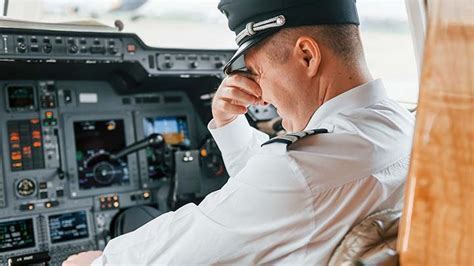
Emotion (Everything Else): The Final Frontier
The last, but by no means least, component of IMSAFE is Emotion—an umbrella term encompassing emotional stability, mental focus, and external distractions. Pilots must be in a stable emotional state before taking off. Whether it’s grief, anxiety, or unresolved personal conflict, unchecked emotions can hijack attention and compromise decision-making.
This category also includes eating habits, hydration, and other physiological needs. A skipped meal or dehydration can have as much impact on cognition as mild stress. Recognizing and addressing these needs is not indulgent; it is flight-critical preparation.
Why IMSAFE is Essential to Aviation Safety
The IMSAFE checklist is not just a procedural formality—it’s a life-saving safeguard. With over 70% of general aviation accidents involving human error, often rooted in decision-making and fitness, this checklist serves as a preemptive firewall against preventable tragedy.
Airlines, training organizations, and regulatory bodies all encourage its use because it instills self-discipline, reinforces professional standards, and elevates personal accountability. It aligns with the FAA’s Safety Management System (SMS) goals, which emphasize proactive safety measures over reactive solutions.

Integrating IMSAFE into Flight Culture
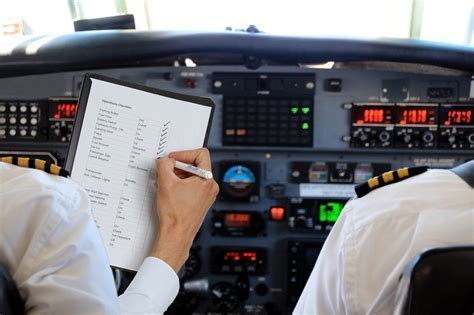
Pilots must go beyond memorization and cultivate a habit of meaningful reflection. The IMSAFE checklist should be conducted with sincerity—not speed. In flight schools and professional cockpits alike, it must become a non-negotiable step in preflight planning.
Encouraging open dialogue among flight crews about fitness for duty can prevent unsafe operations. Instructors and mentors should model vulnerability by admitting when they’ve deferred flights for IMSAFE reasons. This sets a precedent of safety over pride.
Furthermore, integrating IMSAFE into electronic flight bags (EFBs) or checklist software can streamline the process and embed it within broader flight planning workflows. Technology should not replace the checklist, but reinforce it.
Conclusion
The IMSAFE checklist represents a personal contract between a pilot and the responsibility they shoulder each time they take to the skies. It acknowledges that an aircraft, no matter how airworthy, is only as safe as the human flying it. Each letter—Illness, Medication, Stress, Alcohol, Fatigue, Emotion—serves as a checkpoint, asking: “Am I truly ready to fly?”
The act of asking—and answering—these questions with honesty and humility is what separates professional pilots from reckless ones. It transforms preflight preparation into a holistic safety ritual that extends beyond mechanics into human integrity.
Fly safe. Fly aware. Fly IMSAFE.
Frequently Asked Questions
What happens if I feel only slightly unwell before a flight?
Even minor symptoms like nasal congestion or headaches can be amplified at altitude due to pressure changes. It’s best to err on the side of caution and consult an AME or delay the flight if you’re unsure.
Can I fly if I’ve taken an over-the-counter medication like antihistamines?
Not without confirming its side effects. Many OTC medications, especially those for allergies or colds, can impair alertness or coordination. Always verify with an AME or check FAA guidance before flying.
Is IMSAFE mandatory for all pilots?
While not legally mandated like some checklist items, IMSAFE is strongly recommended by the FAA and widely practiced across all aviation sectors. It’s considered best practice for safe and responsible aviation conduct.