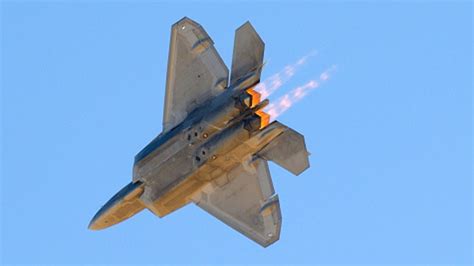
The rivalry between the F-22 Raptor and the J-10 Vigorous Dragon symbolizes the technological competition between American and Chinese fighter jet programs. Both are formidable machines in their own right, but their design philosophies, combat capabilities, and operational roles are vastly different. In a direct, one-on-one engagement, the F-22 Raptor’s fifth-generation capabilities grant it an overwhelming advantage over the J-10C, China’s most advanced variant of the Vigorous Dragon series.
Origins and Design Philosophy
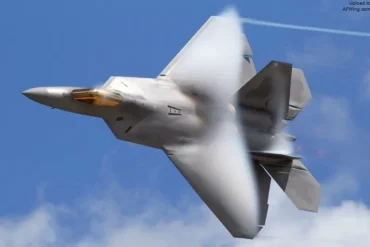
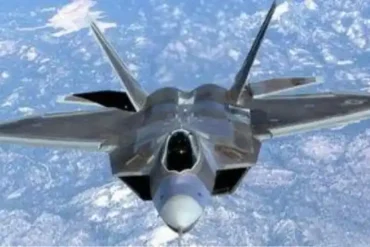
The F-22 Raptor was developed by Lockheed Martin and Boeing for the United States Air Force as a pure air superiority fighter. From inception, it prioritized stealth, supercruise, advanced avionics, and sensor fusion, making it nearly invisible to radar while delivering lethal strikes before an adversary even detects it.
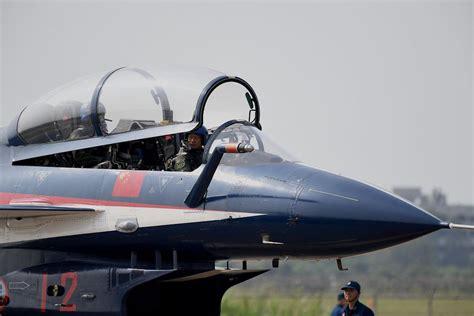
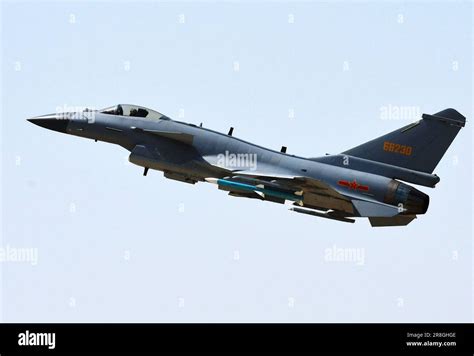
In contrast, the Chengdu J-10 Vigorous Dragon was designed for the People’s Liberation Army Air Force (PLAAF) as a versatile, cost-effective, multirole fighter. The J-10C variant adds advanced avionics, an AESA radar, and limited stealth shaping, but its architecture is still rooted in fourth-generation principles.
Performance Specifications
| Feature | F-22 Raptor | J-10C Vigorous Dragon |
|---|---|---|
| Generation | 5th | 4th+ |
| Engines | 2 × Pratt & Whitney F119-PW-100 | 1 × WS-10B or AL-31FN |
| Thrust (total) | ~70,000 lbf | ~28,000 lbf |
| Top Speed | Mach 2.25+ | Mach 2.2 |
| Supercruise | Mach 1.5+ | Limited |
| Service Ceiling | 65,000 ft | 59,000 ft |
| Radar | AN/APG-77 AESA | AESA radar |
| Stealth | Full-spectrum low observable | Partial (reduced RCS) |
| Weapons Capacity | Internal bays + 2 wing hardpoints | 11 external hardpoints |
| Missiles | AIM-120D, AIM-9X | PL-15, PL-10 |
| Cannon | M61A2 20mm | 23mm cannon |
| Unit Cost | $140+ million | $40–50 million |
Stealth and Survivability
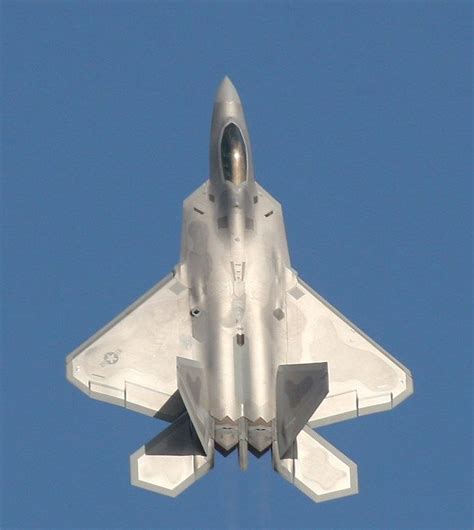
Stealth is where the F-22 Raptor completely outclasses the J-10C. Its radar cross-section (RCS) is often compared to that of a small bird, thanks to internal weapons bays, radar-absorbent materials, and aerodynamically optimized shaping. This allows the Raptor to penetrate contested airspace undetected, track multiple targets, and execute first-look, first-shot, first-kill engagements.
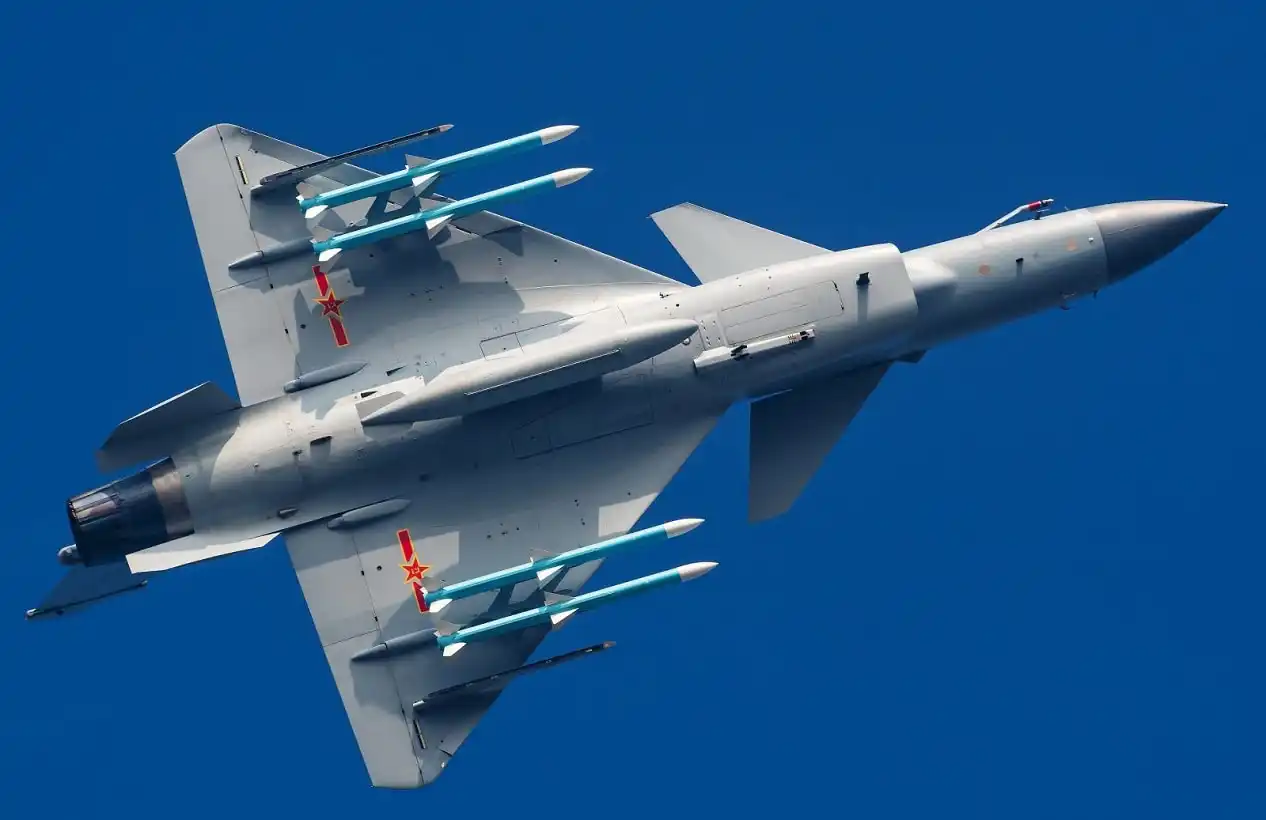
The J-10C has reduced RCS features, such as diverterless supersonic inlets (DSI) and radar-absorbent coatings, but it cannot match the deep stealth of a true fifth-generation fighter. In any head-to-head beyond-visual-range (BVR) engagement, the F-22 would detect and fire upon the J-10C long before the latter even realized it was under threat.
Avionics and Sensor Fusion
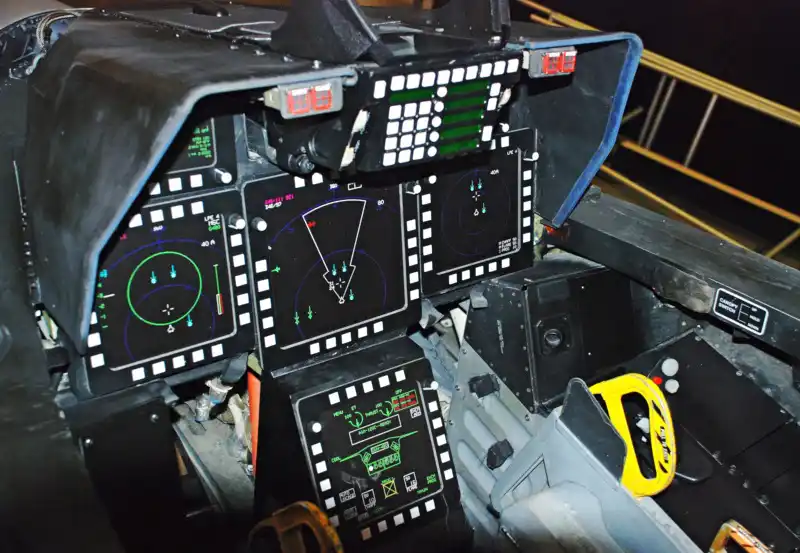
The F-22’s AN/APG-77 AESA radar is engineered for long-range detection, low probability of intercept, and electronic attack capabilities. It integrates seamlessly with sensor fusion technology, merging radar, infrared, and electronic signals into a single tactical display for the pilot. This high-level integration enhances situational awareness and allows the Raptor to maintain a dominating position in combat.
The J-10C’s AESA radar and infrared search and track (IRST) system are advanced for a fourth-generation platform. Its PL-15 BVR missile, with a reported range greater than the AIM-120D, is a major threat—if the launch platform can detect and track the target in time. Unfortunately for the J-10C, the F-22’s stealth drastically reduces that possibility.
Weapons and Engagement Capabilities
F-22 Raptor Loadout:
- 6× AIM-120D AMRAAM (BVR engagements)
- 2× AIM-9X Sidewinder (short-range)
- M61A2 Vulcan 20mm cannon
- All stored internally to maintain stealth profile
J-10C Vigorous Dragon Loadout:
- PL-15 BVR missiles (long reach, active radar-guided)
- PL-10 short-range missiles (high off-boresight, helmet-mounted cueing)
- 23mm cannon
- 11 external hardpoints, compromising stealth
In an ideal BVR scenario, the F-22 fires first, guided by superior radar and data link intelligence. The J-10C, even with the PL-15’s extended range, would struggle to get a lock on the Raptor before being engaged itself.
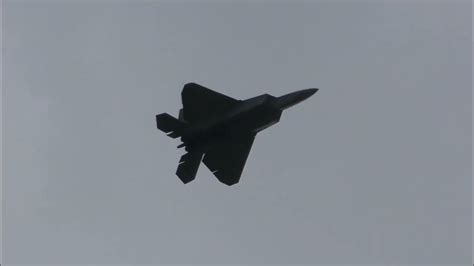
Within visual range (WVR), the J-10C’s agility—thanks to canard-delta wings and potential thrust vectoring—is formidable. However, the F-22’s superior thrust-to-weight ratio, post-stall maneuverability, and 360-degree missile cueing still give it the decisive edge.
Operational Deployment and Strategy
Only 187 F-22 Raptors were built, all operated by the United States Air Force. The aircraft’s high cost, limited production, and ban on exports make it an exclusive tool of American air dominance.
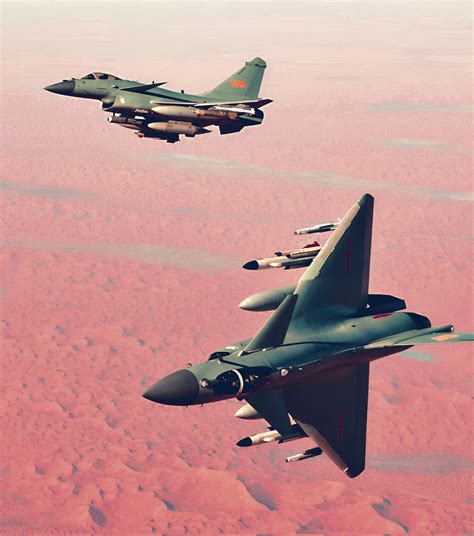
The J-10C, with over 600 units of all variants produced, has been exported to nations such as Pakistan, enhancing its presence in Asia. While individually outclassed by the F-22, the J-10C’s value emerges when deployed in large numbers and supported by ground-based radar, SAM systems, and AEW\&C aircraft.
This difference in deployment philosophy highlights a key distinction: the F-22 is an elite, high-value asset for surgical air superiority, while the J-10C is a workhorse multirole fighter, suited for regional defense and massed operations.
Hypothetical Combat Outcome
In a one-on-one encounter, the outcome is almost predetermined:
- Detection Phase: The F-22 detects the J-10C first due to superior stealth and radar range.
- Engagement Phase: The Raptor launches AMRAAMs before the J-10C acquires a firing solution.
- Kill Phase: The J-10C is destroyed before entering effective missile range.
In a larger-scale battle, the result becomes more complex. Networked air defenses, multiple J-10Cs, and supporting assets could complicate the Raptor’s mission, potentially forcing it into WVR combat. Yet even here, the F-22’s agility and advanced weaponry offer strong survivability.
Verdict: The Raptor’s Overwhelming Advantage
The F-22 Raptor remains unmatched in its combination of stealth, supercruise, advanced avionics, and dogfighting performance. While the J-10C Vigorous Dragon is one of the most capable fourth-generation fighters in the world, it simply cannot close the technological gap against a purpose-built fifth-generation air superiority platform.
The J-10C thrives in affordability, production scalability, and multirole versatility. The F-22, however, dominates in air-to-air combat lethality, ensuring first-kill capability in almost any engagement scenario.
FAQ
1. Could the J-10C ever defeat the F-22 in combat?
In a direct, isolated dogfight, the odds heavily favor the F-22 due to its stealth, sensor fusion, and missile-first advantage. However, with overwhelming numbers, strong ground support, and favorable conditions, the J-10C could potentially score a victory.
2. How do the F-22 and J-10C compare in cost and production?
The F-22 costs over $140 million per unit and is not for export, with only 187 produced. The J-10C costs around $40–50 million, with over 600 J-10s built, and is actively exported.
3. Which aircraft has better maneuverability in a dogfight?
Both are highly maneuverable, but the F-22’s thrust vectoring, higher thrust-to-weight ratio, and post-stall agility generally make it superior in within-visual-range engagements.