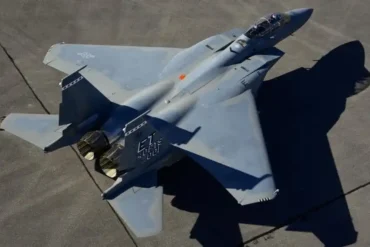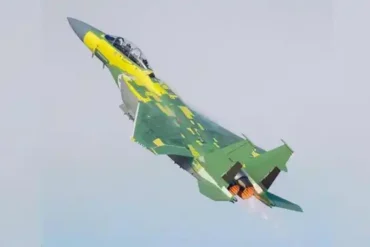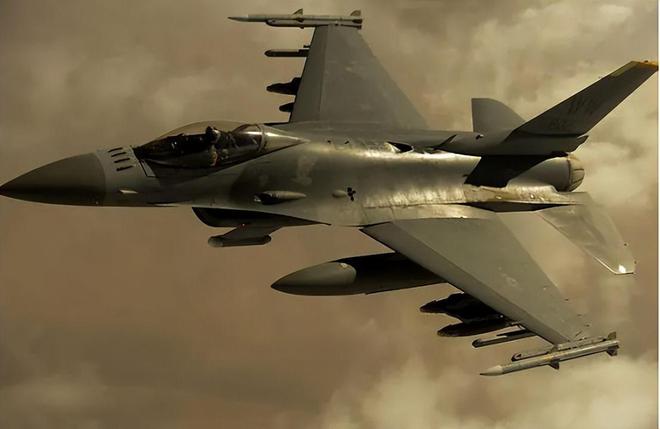
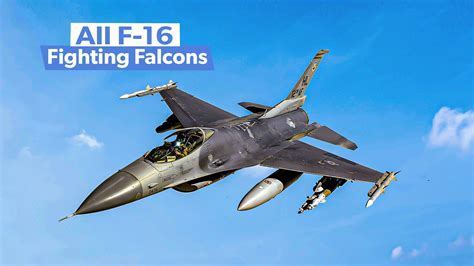
The F-16 Fighting Falcon stands as one of the most versatile and highly effective fighter aircraft in modern military aviation. In this article, we provide an in-depth examination of the F-16 combat record, focusing on its outstanding performance in both air-to-air and air-to-ground roles. We analyze its storied history, combat achievements, and operational highlights that have solidified its reputation on the global stage.
Overview of the F-16 Fighting Falcon
Since its inception in the early 1980s, the F-16 Fighting Falcon has been a cornerstone of aerial warfare. Developed by General Dynamics and later produced by Lockheed Martin, the aircraft has evolved into a highly agile multirole fighter capable of executing precision strikes and asserting air superiority. Our research reveals that the F-16 has secured approximately 75 air-to-air kills over its operational lifetime, alongside an extensive record of air-to-ground sorties across numerous conflicts. Its robust performance in diverse combat scenarios has made it a preferred asset for operators worldwide.
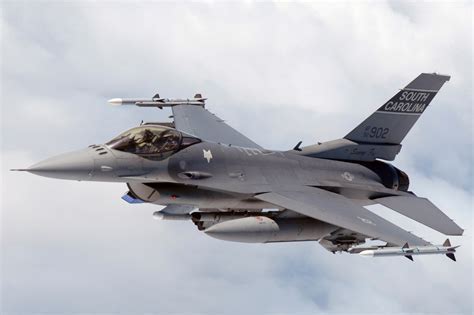
The operational history of the F-16 is rich with achievements from high-intensity conflicts to intricate peacetime intercept missions. Notably, its singular air-to-air loss—recorded in 1996—remains a subject of debate, adding a layer of complexity to its otherwise stellar combat record. This article delves into these milestones and explores how the F-16 has adapted to evolving warfare requirements over the decades.
Air-to-Air Combat Record
Impressive Kill Statistics
The F-16’s air-to-air engagements are a testament to its superior maneuverability and advanced avionics. With around 75 confirmed air-to-air kills, the Fighting Falcon has outperformed many of its contemporaries. Our analysis highlights that the aircraft has been employed by several nations, each contributing to its formidable tally:
- United States: The US has leveraged the F-16 in multiple theaters, achieving kills in both interwar operations over Iraq and during Balkan operations. Notable engagements include downing enemy fighters such as MiG-25s, MiG-23s, and various other adversaries.
- Israel: Israeli F-16s have recorded an impressive 53 air-to-air kills, with a significant portion occurring during the 1982 Lebanon War. The Israeli Air Force’s successful engagements, primarily against Syrian MiG-21s and MiG-23s, underscore the aircraft’s capability to dominate in contested airspace.
- Pakistan: Operating in the challenging environment of the Soviet-Afghan War, Pakistani pilots achieved 11 confirmed kills. These engagements often involved enemy aircraft such as Su-22s and transport planes, showcasing the F-16’s versatility.
- Turkey: Turkish F-16s have accumulated 8 confirmed kills over various operations, despite facing complex challenges including controversial incidents.
- Venezuela: The F-16 has also been deployed in internal conflicts, where Venezuelan pilots recorded 3 kills during periods of heightened tension.
Each operator’s combat experience demonstrates the F-16’s robust performance and adaptability across different environments and operational requirements.
The 1996 Air-to-Air Loss
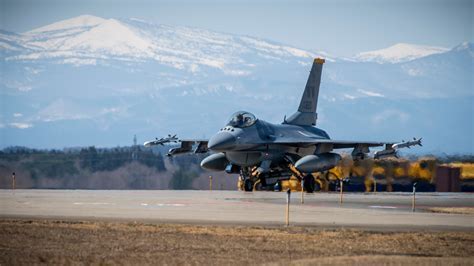
A critical and widely debated event in the F-16’s combat history occurred on October 8, 1996. During a peacetime interception over the Aegean Sea, a Turkish F-16D was engaged and subsequently shot down by a Greek Mirage 2000. This incident, which resulted in the loss of Captain Nail Erdoğan, is the only confirmed air-to-air loss for the F-16. The event remains contentious, with Turkish authorities affirming the shootdown and Greek officials disputing the claim. Despite this singular setback, the F-16’s overall record in air-to-air engagements continues to underscore its effectiveness in combat.
Air-to-Ground Operations
Extensive Sortie Campaigns
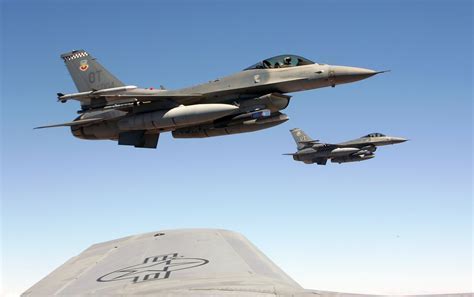
In addition to its air superiority missions, the F-16 Fighting Falcon has excelled in air-to-ground operations. Its capacity to execute thousands of sorties has been proven time and again in diverse theaters of operation. One of the most significant demonstrations of this capability occurred during Operation Desert Storm (1991). During this conflict, 249 F-16s flew over 13,000 sorties, playing a pivotal role in the strike package known as “Package Q.” This mission involved 72 aircraft targeting downtown Baghdad with precision-guided munitions including AGM-65 Mavericks and Mk84 bombs, in conjunction with advanced LANTIRN systems.
The sheer number of sorties and the complexity of the missions undertaken in Desert Storm underscore the F-16’s indispensable role in modern air-to-ground warfare. Its ability to operate effectively in high-threat environments, often under heavy surface-to-air missile (SAM) fire, further emphasizes its resilient design and combat readiness.
Engagements in Varied Conflict Zones
Beyond the Gulf War, the F-16 has been actively deployed in multiple other conflicts:
- Balkan Wars (1994–1999): In the Balkans, the F-16 was instrumental in enforcing no-fly zones and executing precision strikes against hostile aircraft. These operations not only contributed to air superiority but also provided vital support to ground forces during the turbulent conflicts of the region.
- Operations in Afghanistan (2001–2021): Throughout the protracted conflict in Afghanistan, F-16s supported Operation Enduring Freedom and subsequent missions by providing close air support, reconnaissance, and interdiction strikes. Although one tragic loss occurred due to a crash near Bagram in 2013, the overall performance was highly commendable.
- Invasion of Iraq (2003): The F-16 played a critical role during the initial invasion and subsequent operations in Iraq. Its missions, although occasionally marred by non-combat losses such as fuel exhaustion and accidents, reinforced the aircraft’s reliability in executing rapid, precision strikes against ground targets.
- Recent Ukrainian Operations (2024–present): Most recently, the F-16 has been deployed in Ukraine where it has taken on a pivotal role in intercepting Russian cruise missiles. Ukrainian F-16s not only achieved the first air-to-air kill against a Russian Su-34 but also set records by downing multiple missiles in a single sortie, demonstrating the aircraft’s continued relevance in contemporary aerial combat.
Precision and Versatility in Strike Missions
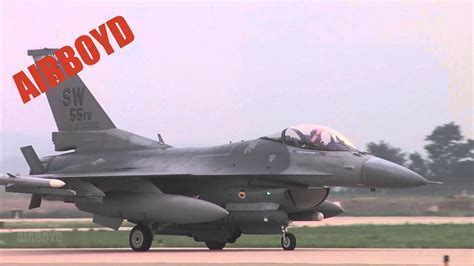
The F-16’s air-to-ground operations are characterized by precision, speed, and adaptability. Equipped with state-of-the-art targeting systems and an array of guided munitions, the F-16 has consistently delivered accurate strikes against high-value targets. Its deployment in complex urban environments and strategic installations alike has proven its utility in modern warfare. The ability to quickly switch between various mission profiles—ranging from deep strike to close air support—cements its position as a multirole fighter par excellence.
Operational Highlights and Notable Missions
Pioneering Achievements
From its early days, the F-16 Fighting Falcon has been at the forefront of several pivotal military operations:
- First Air-to-Air Kill: On April 28, 1981, the Israeli Air Force recorded the first air-to-air kill by an F-16. During a critical engagement over the Bekaa Valley, an F-16 successfully downed a Syrian Mi-8 helicopter using its cannon after an AIM-9 Sidewinder missile failed to secure a hit. This mission set the stage for the aircraft’s future combat performance.
- Operation Opera (1981): In a daring operation, eight Israeli F-16s, escorted by F-15s, executed a high-stakes air-to-ground strike against the Osirak nuclear reactor in Iraq. This operation not only underscored the F-16’s precision strike capabilities but also signaled a turning point in the use of fighter aircraft in preemptive warfare.
- Lebanon War (1982): Perhaps the most celebrated chapter in the F-16’s combat history is the 1982 Lebanon War. Israeli F-16s achieved an astonishing 44 air-to-air kills without incurring losses, effectively establishing air superiority and influencing subsequent aerial combat doctrine.
- Recent Ukrainian Engagements: The deployment of the F-16 in Ukraine since August 2024 has introduced a new era of its combat history. Ukrainian pilots have not only intercepted multiple Russian cruise missiles but also recorded their first air-to-air kill against a Russian Su-34, marking an evolutionary milestone in its operational career.
Critical Analysis of the 1996 Incident
The singular air-to-air loss in 1996 remains a topic of significant discussion among defense analysts. Occurring during a peacetime interception over the Aegean Sea, the incident involved a Turkish F-16D being engaged by a Greek Mirage 2000. Despite differing narratives between the Turkish and Greek authorities, the loss is officially recorded as the only air-to-air combat loss for the F-16. This controversial engagement serves as a reminder of the unpredictable nature of military operations and the geopolitical tensions that can arise even outside of declared war.
Losses, Attrition, and Operational Resilience
Attrition Beyond the Combat Record
While the air-to-air kill record of the F-16 is impressive, it is also important to consider the broader context of losses incurred during its operational history. Beyond the isolated 1996 incident, the aircraft has faced attrition through various causes, including ground fire, accidents, and the ever-present threat of SAMs. For instance, during Operation Desert Storm, the F-16 suffered 7 losses—predominantly attributed to surface-to-air missile engagements and operational accidents. Similar losses have been documented in the Balkans and post-2003 operations in Iraq, highlighting the inherent risks of high-tempo combat operations.
Engineering Excellence and Adaptability
Despite these challenges, the F-16’s engineering excellence and continuous modernization programs have ensured its operational longevity. Its robust airframe, advanced avionics, and integrated weapon systems have allowed it to remain effective across decades of technological and strategic shifts. The iterative improvements in its systems have not only enhanced its combat performance but also mitigated vulnerabilities, thereby ensuring that the F-16 Fighting Falcon continues to serve as a critical asset in modern military operations.
Comparative Analysis with Contemporary Fighters
Benchmarking Against Other Western Fighters
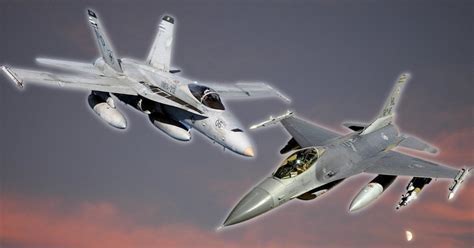
In comparative studies, the F-16 is often juxtaposed with other premier fighter aircraft. While some debates suggest that the F-16 boasts a near-perfect air-to-air record, the contentious 1996 loss provides a nuanced perspective that enriches the overall discussion. When measured against fighters such as the F-15, F/A-18, and Eurofighter Typhoon, the F-16’s balance of agility, combat versatility, and proven reliability stands out. Its performance in both air-to-air and air-to-ground roles underscores the strategic advantage it offers, even when juxtaposed with newer platforms.
Operational Synergy and Multinational Usage
Another dimension of the F-16’s comparative analysis is its widespread adoption among NATO and allied nations. The aircraft’s ability to seamlessly integrate with various command and control structures, as well as its compatibility with different munitions and sensor systems, has rendered it indispensable in coalition operations. Operators from diverse geopolitical backgrounds have modified and upgraded their F-16 fleets to meet specific operational needs, further cementing its status as a truly global fighter.
Strategic Implications for Future Conflicts
Evolving Threat Environments
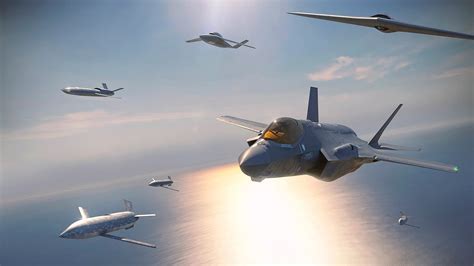
As modern warfare continues to evolve, the F-16 Fighting Falcon remains a relevant and adaptable platform. Its combat record serves not only as a historical ledger but also as a blueprint for future engagements. In the context of emerging threats such as advanced anti-aircraft systems and unmanned aerial vehicles, the F-16’s continuous modernization ensures that it can counter new challenges effectively. The integration of upgraded avionics, precision-guided munitions, and enhanced electronic warfare capabilities guarantees that the F-16 will remain competitive in future conflict scenarios.
Lessons Learned and Tactical Innovations
The extensive operational history of the F-16 offers valuable lessons for current and future military strategists. The aircraft’s success in complex engagements has spurred innovations in aerial combat tactics, mission planning, and electronic warfare. We observe that the iterative process of learning from past operations has led to refined doctrines and enhanced pilot training programs. These tactical innovations, informed by decades of experience, continue to influence the design and deployment of next-generation fighter platforms.
Conclusion
In conclusion, the F-16 Fighting Falcon stands as an emblem of combat excellence, with a storied history marked by approximately 75 air-to-air kills and an extensive record of air-to-ground sorties. Its performance in key conflicts—from the Lebanon War and Operation Desert Storm to its recent deployments in Ukraine—demonstrates unparalleled versatility and reliability. Despite the complexities surrounding the singular air-to-air loss in 1996, the overall combat record of the F-16 underscores its strategic importance and enduring relevance. As military technology and geopolitical landscapes evolve, the F-16 continues to set the benchmark for multirole fighter aircraft, embodying the spirit of innovation, tactical agility, and operational excellence that defines modern aerial warfare.
We have examined the comprehensive combat record of the F-16 from multiple perspectives, including detailed analyses of its air-to-air and air-to-ground operations, the critical incidents that have shaped its history, and its comparative standing against contemporary fighters. This deep dive not only reinforces the aircraft’s legacy but also provides valuable insights for military analysts, defense strategists, and aviation enthusiasts who continue to study the evolution of modern air combat.
FAQ
What factors contribute to the F-16’s impressive air-to-air kill record?
The F-16’s success in air-to-air combat can be attributed to its advanced avionics, superior maneuverability, and the rigorous training of its pilots. The aircraft’s integration of precision-guided munitions and real-time sensor data allows it to engage and neutralize enemy aircraft effectively. Additionally, its adaptability to various combat scenarios has enabled operators from multiple countries to achieve high kill counts in diverse environments.
How did the F-16 perform in air-to-ground operations during major conflicts?
The F-16 has demonstrated exceptional performance in air-to-ground operations by executing thousands of sorties with pinpoint accuracy. Notably, during Operation Desert Storm, F-16s played a crucial role by flying over 13,000 sorties, employing advanced munitions and targeting systems to strike critical enemy infrastructure. Its contributions in the Balkan Wars, Afghanistan, and recent Ukrainian operations further highlight its reliability and effectiveness in ground attack missions.
What lessons have been learned from the F-16’s combat history regarding modern aerial warfare?
The extensive combat record of the F-16 provides key insights into the evolution of modern air combat. Its operational experiences have informed the development of advanced tactics, improved pilot training programs, and the iterative enhancement of fighter aircraft design. The lessons learned—from managing complex sortie campaigns to adapting to emerging threats—continue to influence both current military doctrines and the design of next-generation fighter platforms.
By meticulously analyzing decades of operational history and combat performance, we affirm that the F-16 Fighting Falcon remains an indispensable asset in modern military aviation. Its legacy, marked by strategic victories and tactical innovations, not only sets the standard for current fighter aircraft but also paves the way for future advancements in aerial warfare.