Kuwait’s Acquisition of the F/A-18 Hornet
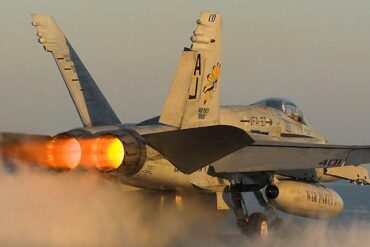
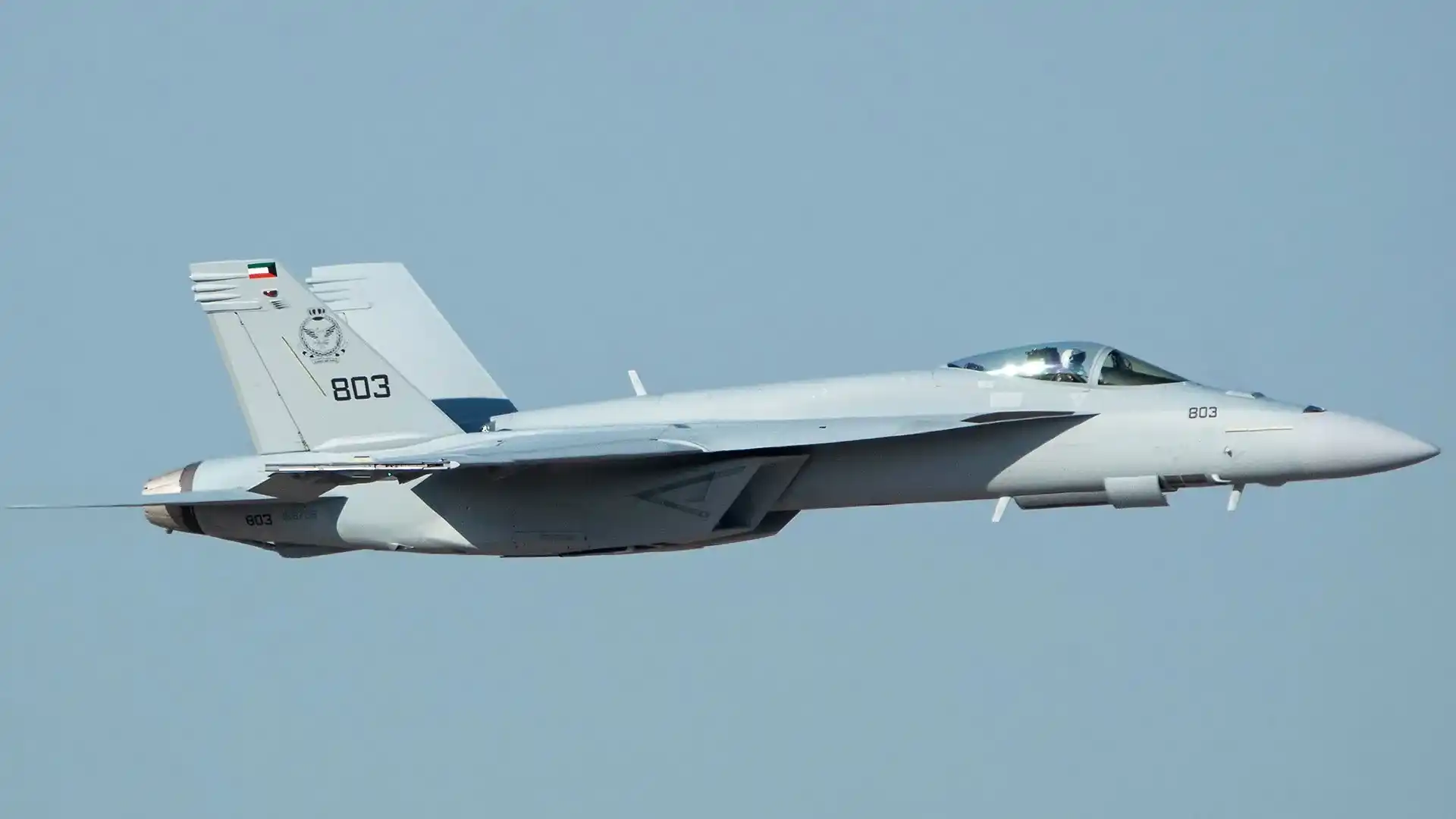
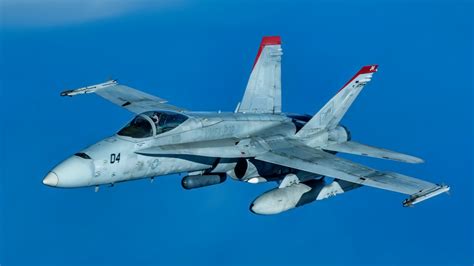
The Kuwait Air Force (KAF) first acquired the F/A-18 Hornet in the aftermath of the Gulf War, transitioning from older aircraft such as the A-4 Skyhawk and Mirage F1. In total, Kuwait procured 32 F/A-18C single-seat fighters and 8 F/A-18D twin-seat variants, strengthening its air combat capabilities. These aircraft were strategically assigned to the 9th Squadron at Ahmed Al Jaber Airbase and the 25th Squadron at Ali Al Salem Airbase.
However, over the years, the fleet suffered minimal losses, with one F/A-18D being lost in a crash, reducing the operational number to 39 aircraft. Despite this, the Hornets have remained a crucial part of Kuwait’s aerial defense infrastructure, playing a key role in maintaining air superiority in the region.
Modernization and Transition to the Super Hornet
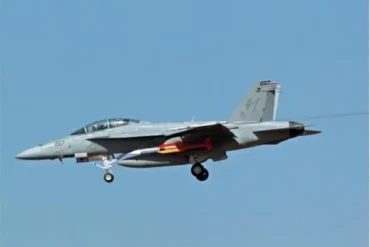
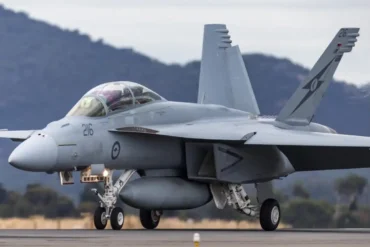
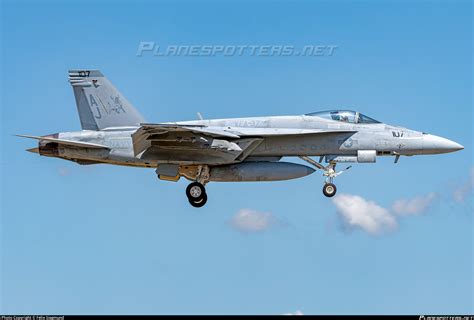
Kuwait’s air force modernization efforts led to the acquisition of 28 F/A-18E/F Super Hornets, comprising 22 single-seat E models and 6 twin-seat F models. This purchase aligns with Kuwait’s strategy of expanding its multirole combat capabilities. In addition to the Super Hornet procurement, Kuwait has also purchased 28 Eurofighter Typhoons, further modernizing its fleet.
The introduction of the F/A-18E/F Super Hornets marks a significant technological leap, offering advanced avionics, enhanced radar systems, extended operational range, and improved survivability. These aircraft provide Kuwait with greater operational flexibility, ensuring compatibility with U.S. and NATO forces in future engagements.
Malaysia’s Interest in Kuwait’s Legacy Hornets
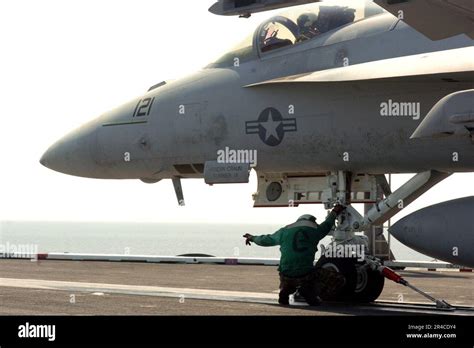
As Kuwait transitions to the Super Hornet, the older F/A-18C/Ds are now considered surplus. Consequently, Kuwait has sought potential buyers for its remaining 39 Hornets, with Malaysia emerging as a strong candidate.
Malaysia has expressed interest in acquiring a portion of these aircraft to reinforce its aging fighter fleet, particularly as its air force struggles with the declining readiness of its MiG-29s. Reports indicate that Kuwait’s Hornets have relatively low flight hours and have undergone recent upgrades, making them an attractive, cost-effective option for Malaysia’s Royal Air Force. If the deal materializes, it could involve the transfer of at least 16 aircraft, comprising both single- and twin-seat models.
Operational and Strategic Importance of the F/A-18 in Kuwait
U.S.-Kuwait Military Partnership
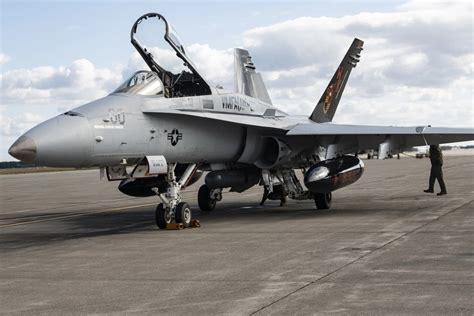
Kuwait’s acquisition and use of the F/A-18 Hornet have reinforced its military alliance with the United States. The close partnership with the U.S. Navy and Air Force ensures that Kuwait remains equipped with advanced training, logistics support, and weapon system upgrades.
Regional Defense and Coalition Operations
Kuwait’s F/A-18 Hornets have played a significant role in supporting coalition military operations. Notably, KAF Hornets have been deployed to Diego Garcia in support of U.S. operations in Afghanistan, demonstrating their operational versatility and regional deterrence capabilities.
Challenges and Notable Incidents
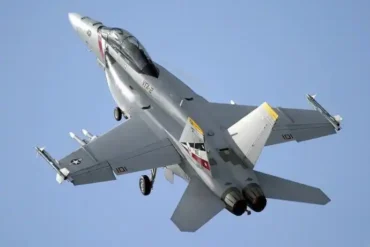
Despite its operational success, Kuwait’s F/A-18 program has not been without challenges. In 2024, a notable friendly-fire incident occurred involving a U.S. Navy F/A-18E/F Super Hornet in Yemen, highlighting the complexities of coalition air operations. While this event did not directly involve Kuwaiti Hornets, it underscored the risks associated with modern air warfare and regional conflicts.
Additionally, maintaining an aging fleet of F/A-18C/D aircraft has presented logistical hurdles. With Kuwait shifting towards Super Hornets and Eurofighters, sustaining the legacy Hornet fleet has become less viable, prompting the decision to sell off surplus units.
Conclusion
Kuwait’s experience with the F/A-18 Hornet represents a strategic evolution in its air defense strategy. From its initial acquisition in the post-Gulf War era to its current transition to Super Hornets and Eurofighters, Kuwait has continuously modernized its air combat capabilities. The potential sale of its legacy Hornets to Malaysia reflects global trends, where older fourth-generation fighters are repurposed for nations seeking affordable yet capable combat aircraft.
As Kuwait aligns itself with next-generation airpower, the F/A-18 legacy remains a testament to the nation’s commitment to air superiority and regional security.
FAQ
1. Why did Kuwait transition from the F/A-18C/D to the Super Hornet?
Kuwait sought to enhance its air combat capabilities by acquiring the F/A-18E/F Super Hornet, which offers superior avionics, increased range, better radar systems, and improved survivability. The shift aligns with broader air force modernization efforts, including the introduction of the Eurofighter Typhoon.
2. What makes Kuwait’s F/A-18 Hornets attractive to Malaysia?
Malaysia is interested in Kuwait’s 39 surplus F/A-18C/D Hornets due to their low flight hours and recent technical upgrades. They present an affordable alternative for the Royal Malaysian Air Force, which is seeking to replace aging MiG-29 fighters with cost-effective fourth-generation jets.
3. How does the F/A-18 enhance Kuwait’s regional security?
The F/A-18 Hornet has provided Kuwait with advanced multirole capabilities, enabling air superiority, ground strike missions, and coalition interoperability. The aircraft have also been deployed in support of U.S. and NATO operations, ensuring Kuwait maintains a strong regional defense posture.