The aviation corridor between Australia and the Middle East has re-emerged as one of the most strategically significant long-haul markets in global air travel. In 2026, the sector stabilizes at 23 daily nonstop flights, a figure that underscores both resilience and sustained demand despite geopolitical uncertainties and fluctuating fuel costs. These routes are not merely about connectivity—they represent a sophisticated web of global mobility linking Oceania with Europe, Asia, and Africa through some of the world’s most efficient aviation hubs.
The Middle East’s geographic advantage continues to drive this growth. Positioned almost perfectly between Australia and major population centers across Europe and Asia, cities like Dubai, Doha, and Abu Dhabi have evolved into seamless transit gateways. For travelers departing Sydney, Melbourne, or Brisbane, these hubs offer streamlined connections that often outperform traditional transit points in both efficiency and comfort.
Beyond logistics, the passenger experience plays a decisive role. Airlines operating these routes have elevated long-haul travel into a premium experience, blending state-of-the-art aircraft, award-winning service, and competitive pricing tiers. Whether flying economy or first class, passengers are drawn to the consistency and quality offered by Middle Eastern carriers, making these routes a preferred choice over alternatives.
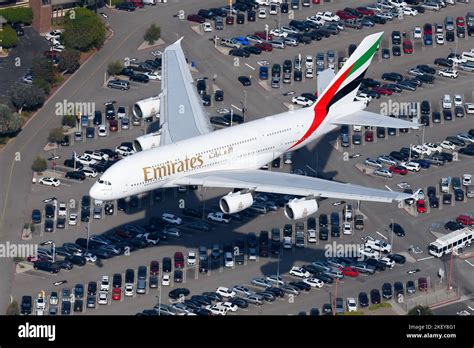
Emirates Dominates Australia–Middle East Capacity
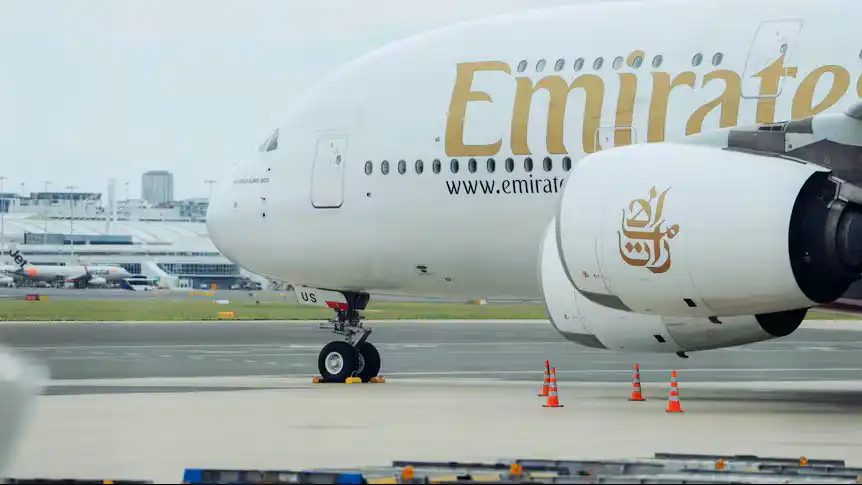
Among all carriers, Emirates stands as the undisputed leader, operating an impressive 10 daily nonstop flights between Australia and Dubai. This dominance is not accidental—it reflects a meticulously built network that targets Australia’s five major cities: Sydney, Melbourne, Brisbane, Perth, and Adelaide.
The airline’s deployment strategy reveals a careful balance between capacity and demand. High-density routes such as Sydney and Melbourne benefit from three daily services each, ensuring flexibility for both business and leisure travelers. Brisbane follows closely with double daily flights, while Perth and Adelaide maintain consistent daily connections.
Fleet selection further reinforces Emirates’ market leadership. The iconic Airbus A380, synonymous with luxury and capacity, serves major east coast cities, while the more fuel-efficient Airbus A350-900 operates on routes where demand is steady but slightly lower. This mix allows Emirates to optimize both operational efficiency and passenger comfort.
What sets Emirates apart is its ability to integrate additional network value. Its trans-Tasman extension from Sydney to Christchurch exemplifies how aircraft utilization can be maximized while offering passengers expanded travel options without additional complexity.
Qatar Airways Expands Strategic Reach Across Australia
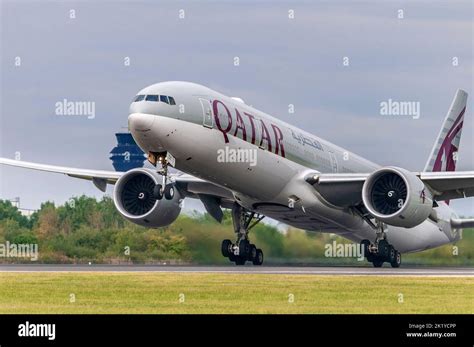
While Emirates leads in volume, Qatar Airways secures its position as the second-largest operator, maintaining six daily services across Australia. The Doha-based airline has crafted a network that prioritizes both coverage and adaptability, reaching Sydney, Melbourne, Brisbane, Perth, and Adelaide.
Melbourne and Sydney again emerge as focal points, each supported by double daily flights, while the remaining cities receive daily service. However, Qatar Airways distinguishes itself through creative operational strategies. Its Doha–Melbourne–Canberra routing, often dubbed a “ghost flight,” highlights the airline’s ability to navigate regulatory constraints while maintaining market presence.
This flexibility extends to partnerships. Through its investment in Virgin Australia, Qatar Airways effectively amplifies its footprint. The collaboration enables additional daily services from Brisbane, Melbourne, Perth, and Sydney, marketed under Virgin Australia but operated using Qatar’s aircraft and crew.
Etihad Airways Maintains Precision-Focused Operations
In contrast to the expansive strategies of its competitors, Etihad Airways adopts a more focused approach, operating three daily flights connecting Australia to Abu Dhabi. This includes double daily services from Sydney and a single daily flight from Melbourne.
Rather than competing on volume, Etihad emphasizes product consistency and premium positioning. Its use of the Airbus A350-1000 on Sydney routes and the Boeing 787-9 Dreamliner on Melbourne services reflects a commitment to modern, passenger-centric aircraft.
This targeted network allows Etihad to maintain strong yields while catering to a loyal customer base that values comfort, reliability, and efficient connections through Abu Dhabi’s rapidly evolving airport infrastructure.
Virgin Australia’s Re-Entry Through Strategic Partnership
A notable shift in 2026 is the evolving role of Virgin Australia, which has re-entered the long-haul international market through its partnership with Qatar Airways. Although these flights are operated via wet-lease arrangements, they significantly expand consumer choice in the Australia–Middle East corridor.
The airline offers daily flights from four major cities—Sydney, Melbourne, Brisbane, and Perth—to Doha, effectively mirroring Qatar Airways’ network while leveraging its own brand loyalty within Australia. Temporary suspensions due to regional instability have impacted schedules, but these services are expected to resume, reinforcing competition and capacity.
This partnership-driven model represents a broader industry trend where airlines collaborate to mitigate risk while maintaining global reach, especially on ultra-long-haul routes that demand significant operational resources.

Why Australia–Middle East Routes Remain In High Demand
The enduring popularity of these routes is rooted in a combination of geography, connectivity, and passenger experience. For Australian travelers heading to Europe, the Middle East offers a logical and efficient midpoint. Compared to trans-Pacific or Asian transit routes, connections via Dubai, Doha, or Abu Dhabi often result in shorter total travel times and fewer logistical hurdles.
Additionally, Middle Eastern hubs provide unparalleled access to secondary European cities, emerging African destinations, and key markets in South Asia. This breadth of connectivity transforms a single long-haul flight into a gateway to dozens of global destinations.
Passenger appeal extends beyond transit efficiency. Airlines in this region have built reputations around luxury stopover experiences, offering curated packages that include five-star hotels, desert excursions, and cultural tours. For many travelers, the journey itself becomes part of the destination.
2026 Flight Breakdown: The 23 Daily Services Explained
The composition of the 23 daily nonstop flights reflects a carefully balanced ecosystem of competition and collaboration:
- Emirates: 10 daily flights across five Australian cities
- Qatar Airways: 6 daily flights, plus additional Virgin Australia-operated services
- Etihad Airways: 3 daily flights from Sydney and Melbourne
- Virgin Australia (via Qatar Airways): 4 daily flights (subject to operational status)
This distribution highlights Emirates’ dominance while showcasing the strategic depth of Qatar Airways and the niche precision of Etihad.
The Future Of Australia–Middle East Aviation Connectivity
Looking ahead, the Australia–Middle East corridor is poised for further evolution. Advances in aircraft technology, including ultra-long-range models, may enable nonstop flights beyond traditional hub structures, potentially reshaping existing networks. However, the Middle East’s central geographic advantage remains difficult to replicate.
Airlines are also expected to refine their premium offerings, integrating next-generation cabins, enhanced inflight connectivity, and personalized service models. Sustainability will play an increasingly important role, with carriers investing in fuel-efficient fleets and exploring alternative energy solutions.
Despite challenges such as geopolitical tensions and fluctuating demand cycles, the underlying fundamentals of this market remain strong. The combination of strategic location, superior service, and expansive global networks ensures that the Australia–Middle East route will continue to thrive as one of aviation’s most dynamic and competitive sectors.