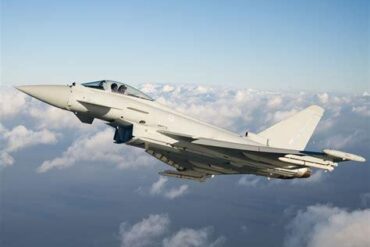
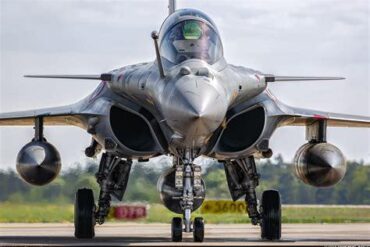
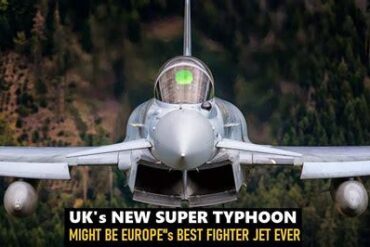
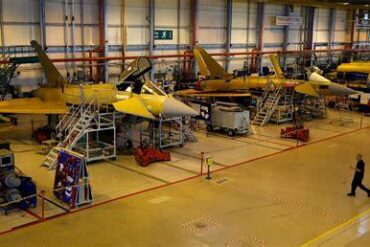
The Eurofighter Typhoon and Dassault Rafale represent the pinnacle of European aerospace engineering, blending cutting-edge technology, combat readiness, and multirole capabilities into sleek, high-performing airframes. While they may appear similar due to their delta-wing-canard designs and twin-engine configurations, the two jets are distinct in philosophy, tactical emphasis, and geopolitical context.
Developed in the aftermath of Cold War-era tensions, these fourth-generation-plus fighters have become central to modern air power strategies. Their overlapping capabilities lead to frequent comparisons, but subtle design decisions reveal differing priorities between the multinational Eurofighter consortium and France’s Dassault Aviation.
Strategic Design Philosophies Behind the Jets
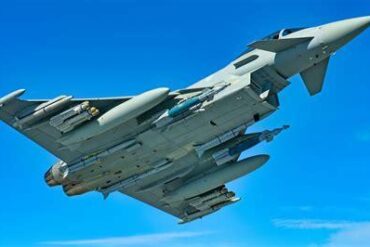
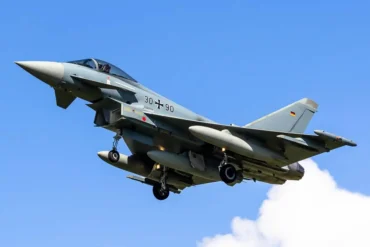
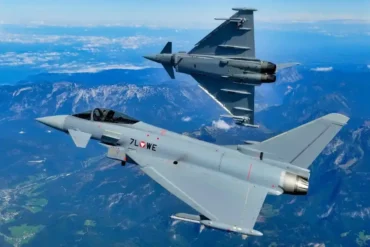
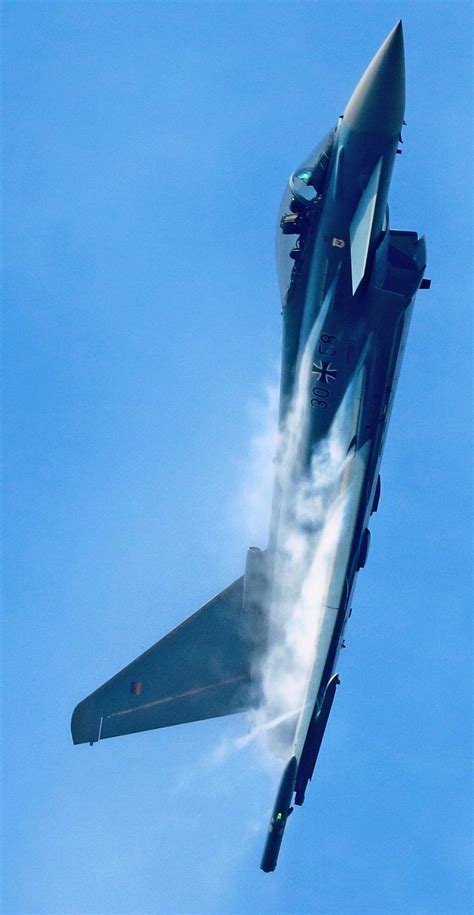
At its core, the Eurofighter Typhoon was built for air dominance. Developed collaboratively by the UK, Germany, Italy, and Spain, the Typhoon reflects NATO-style interoperability and air superiority doctrine. Every aspect of its architecture emphasizes agility, thrust-to-weight advantage, and rapid response, making it particularly lethal in high-intensity dogfights.
Conversely, the Dassault Rafale was shaped by France’s desire for independent military capability. Dassault opted for a more flexible multirole platform—one that could strike, reconnoiter, intercept, and land on aircraft carriers. Its design is less specialized in air combat maneuvering, but excels in strike range, payload diversity, and mission modularity.
Powerplant and Performance: Muscle vs. Efficiency
Engine configuration plays a major role in distinguishing the two fighters. The Typhoon is powered by two EJ200 turbofan engines, each generating 90kN of thrust. This immense power translates to quicker acceleration, better climb rates, and faster energy recovery in combat scenarios. RAF pilots have repeatedly praised the Typhoon’s ability to dominate in short-range engagements thanks to this raw thrust.
In contrast, the Rafale relies on a pair of Snecma M88-4e engines, which produce 75kN of thrust each. While not as powerful, the Rafale’s engines are highly efficient, contributing to its superior operational range and lower maintenance footprint. Both aircraft top out at Mach 1.8, but the Typhoon has a service ceiling of 55,000 feet, compared to the Rafale’s 50,000 feet.
Range and Endurance: Rafale Leads the Way
Combat range often defines mission utility, especially for multi-theater operations. The Rafale outpaces the Typhoon with a combat radius of 1,150 miles and a ferry range of 2,300 miles. This extended reach allows for deeper strike capability and strategic flexibility.
The Typhoon, on the other hand, has a maximum range of 1,800 miles, which, while respectable, does limit its operational footprint without external fuel support or aerial refueling.
Weapons Loadout and Combat Flexibility
Both jets are equipped with a broad arsenal of air-to-air and air-to-ground munitions, but they reflect different philosophies in deployment.
The Eurofighter Typhoon typically carries:
- Meteor long-range air-to-air missiles (AAM)
- AMRAAM and ASRAAM for medium and short-range engagements
- Brimstone and Storm Shadow for precision ground strikes
- Mauser BK-27mm cannon for close-quarter dogfighting
The Dassault Rafale features:
- Meteor (shared)
- MICA missiles for both IR and radar-guided AAM roles
- SCALP, Exocet, and Hammer for versatile air-to-ground roles
- 30mm GIAT 30/719B cannon
Payload-wise, the Rafale can carry up to 21,000 lbs on 14 hardpoints, exceeding the Typhoon’s 16,500 lbs on 13 hardpoints. This gives the Rafale a more diverse mission profile, including anti-ship, nuclear strike, and deep penetration missions.
Carrier Capability: Rafale’s Unique Advantage
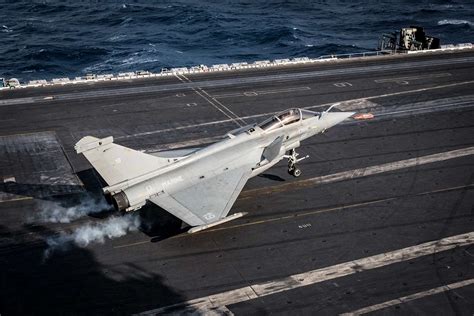
A standout feature of the Dassault Rafale is its carrier-based variant—the Rafale M. It remains the only European fighter capable of catapult-assisted takeoff and arrested recovery (CATOBAR), allowing deployment from aircraft carriers like the Charles de Gaulle.
The Typhoon lacks any navalized version, limiting it to land-based operations. In this arena, the Rafale not only demonstrates operational flexibility but also opens doors for countries seeking maritime strike capabilities without investing in U.S. platforms.
Avionics, Radar, and Electronic Warfare Systems
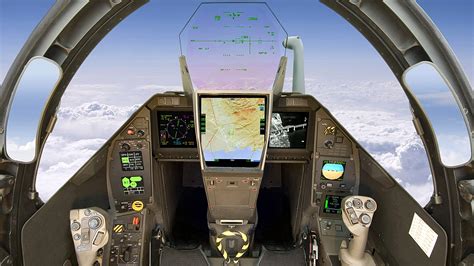
Avionics are at the heart of any modern fighter. The Typhoon features the Captor-E AESA radar, praised for its wide field of regard and rapid scanning capability. Combined with DASS (Defensive Aids Sub-System), it offers superior situational awareness and survivability in contested environments.
The Rafale integrates the Thales RBE2 AESA radar, renowned for target discrimination and multi-target tracking. Complementing it is the SPECTRA electronic warfare suite, which enables radar jamming, threat identification, and automatic countermeasures deployment. In this domain, Rafale often receives higher marks for electronic versatility and stealthier signatures.
Origins and Divergence from a Common Program
Both aircraft originated from a joint European fighter project in the early 1980s. Disagreements over operational roles and industrial leadership led France to exit the program in 1985, subsequently developing the Rafale independently. Meanwhile, the UK, Germany, Italy, and Spain continued the original project, resulting in the Eurofighter Typhoon.
This split explains their underlying similarities—delta wings, canards, twin engines—but also the divergence in strategic roles and national export philosophies.
Export Footprint and Operational Success
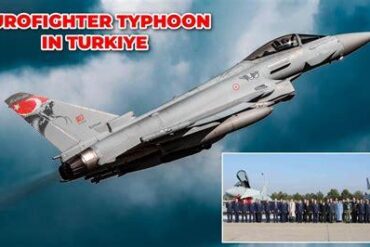
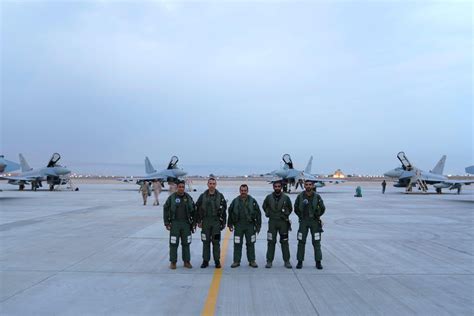
The Typhoon has enjoyed moderate success internationally. As of 2024, over 680 units have been ordered, mainly by European countries and Gulf states such as Kuwait, Qatar, and Saudi Arabia. Eurofighter partners continue to replace older aircraft with upgraded Tranche 3 versions.
However, the Rafale has surged in export momentum. As of mid-2025, 495 units have been sold to nations like India, Egypt, the UAE, Indonesia, and Greece. Its adaptability, carrier variant, and lower life-cycle cost have made it appealing to buyers seeking both performance and economic value.
Price and Maintenance: Value vs. Investment
Pricing often determines success more than performance. The Dassault Rafale costs approximately $245 million per unit in export packages that include training, maintenance support, and weapons systems. In contrast, the Eurofighter Typhoon costs closer to $321 million per export unit in similar configurations.
This price difference—coupled with easier maintenance protocols and lower operational costs—has made the Rafale a more attractive option for many air forces. Critics in Kuwait have questioned the Typhoon’s price point, especially compared to fifth-generation platforms like the F-35, which offer stealth at a similar or even lower cost.
Final Verdict: Sword or Swiss Army Knife?
The Eurofighter Typhoon is best viewed as a razor-sharp air superiority platform, excelling in dogfights, intercepts, and high-speed maneuvers. It dominates the skies with raw power, speed, and aerial finesse.
The Dassault Rafale, however, is a multirole workhorse, capable of excelling in diverse mission types, from carrier operations to nuclear deterrence and long-range strikes. Its affordability and flexibility have made it a success story in the export market.
Neither jet can be definitively called superior across the board. The Typhoon is better for nations prioritizing air dominance and interoperability, while the Rafale is ideal for those valuing versatility, strategic reach, and cost-effectiveness. Both remain vital components of Europe’s aerial might and continue to evolve with incremental upgrades to keep pace with fifth-generation threats.
In the end, the choice comes down to doctrine, geography, and budget—not raw specifications.