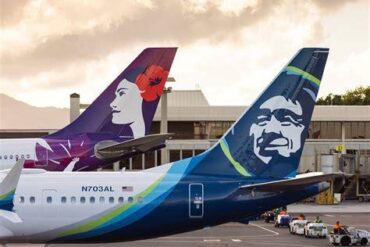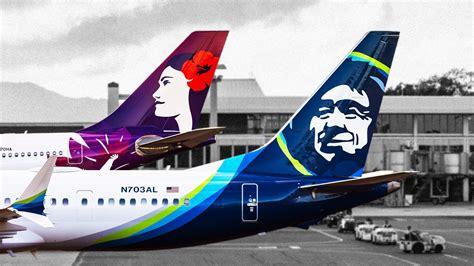
In a stunning turn of events, the battle over Alaska Airlines’ $1.9 billion acquisition of Hawaiian Airlines has been reignited. A recent ruling from the U.S. Ninth Circuit Court of Appeals has breathed new life into a legal challenge initially dismissed, reopening questions of competition, consumer welfare, and cultural preservation that continue to ripple across the Pacific.
The Courtroom Reversal That Shook the Skies
Earlier this week, the Ninth Circuit delivered a decision that many observers never anticipated: allowing a group of travelers to amend and refile a lawsuit aimed at blocking the Alaska-Hawaiian merger. The lower court had previously dismissed the case for lack of standing, claiming the plaintiffs failed to show direct personal harm. But the appellate court disagreed, offering a rare opportunity to revisit a deal that most had considered closed.
This ruling doesn’t immediately unravel the merger. Alaska and Hawaiian remain under the same parent company, and operational integration continues apace. But by permitting the plaintiffs to submit an amended complaint, the court has opened the door to deeper scrutiny—and potentially more public backlash—over the impact this merger is having on Hawaii-bound travel.
Why the Legal Reboot Matters to Hawaii Travelers
For many travelers and residents of the Hawaiian Islands, this merger wasn’t just a corporate transaction—it was a cultural reckoning. Hawaiian Airlines has long been a symbol of island identity, providing not just transportation but an intangible link to home. From onboard service infused with the “aloha spirit” to in-flight language and branding steeped in local culture, Hawaiian wasn’t merely an airline; it was an extension of the islands themselves.
Since the merger, discontent has swelled. Readers and frequent flyers have voiced grievances ranging from diluted loyalty programs to the loss of familiar service norms and pricing concerns. Some travelers report increased fares, fewer flight options, and a diminishing sense of local connection.
The revised lawsuit will now aim to anchor these emotional and anecdotal grievances in concrete legal terms. Plaintiffs must now show how the merger has measurably impacted them—be it through canceled routes, inflated ticket costs, or downgraded service.
The Original Lawsuit: Roots and Rejection
Filed in Honolulu federal court in April, the original lawsuit argued that Alaska’s acquisition of Hawaiian would:
- Diminish competition on Hawaii-bound routes
- Lead to higher airfares
- Threaten jobs in the local aviation economy
However, it was thrown out in the summer, with the judge ruling that the plaintiffs failed to demonstrate personal, tangible harm. Alaska Airlines responded by reaffirming its belief that the merger would improve air travel in the region, promising more routes, competitive fares, and enhanced service.
The Ninth Circuit’s decision has shifted that narrative. Though brief and unpublished, the opinion effectively overturns the earlier dismissal and mandates that the district court give the plaintiffs another shot.
The Implications of a Second Chance
While this legal revival doesn’t unwind the completed merger, it introduces an element of uncertainty to an otherwise seamless integration process. Alaska and Hawaiian are actively merging their operations, unifying systems, aligning frequent flyer programs, and retraining staff. Any successful legal roadblock—though unlikely—could stall or alter the final stages of that integration.
Even if the plaintiffs fail to stop the merger outright, their efforts could shine an uncomfortable spotlight on Alaska’s post-merger conduct. If the revised complaint effectively shows deteriorating service quality or harmful pricing strategies, regulators or lawmakers may feel compelled to intervene in subtler but still impactful ways.
What the Plaintiffs Must Prove Now
The bar for reinstating the lawsuit has been lowered, but it is far from eliminated. In the weeks ahead, plaintiffs will need to revise their complaint with new specificity. Legal experts suggest their success hinges on demonstrating:
- Cancelled or altered routes that have disrupted travel plans
- Tangible increases in airfare following the merger
- Diminished service standards or benefits linked to the integration
Without this level of granularity, the case could be dismissed once again, this time with a more permanent legal stamp.

The Broader Backlash and Emotional Undercurrents
Beyond courtroom strategy and regulatory procedure, the emotional and cultural significance of this merger continues to resonate. Many local residents and Hawaii loyalists feel that the acquisition represents more than just business—it symbolizes a quiet erosion of island identity in favor of corporate efficiency.
One long-time flyer lamented, “I have been loyal to Hawaiian for twenty years. Now my miles are frozen, my status is gone, and the airline I loved feels like a stranger.” Another put it more succinctly: “The aloha spirit left with the name on the tail.”
These sentiments, while not legal arguments on their own, form the backdrop against which this legal challenge plays out. For many, the lawsuit is a vehicle to express opposition that extends well beyond airfare.
Regulatory Ripples: Could the DOJ Revisit the Deal?
Though the Department of Justice initially declined to block the merger, this new legal wrinkle may rekindle regulatory interest. Should the amended complaint uncover convincing evidence of consumer harm, it’s conceivable—though still rare—that the DOJ could revisit its earlier decision.
Such a reversal would be extraordinary, but not unprecedented. In recent years, regulators have become more willing to challenge corporate mergers post-closure, especially in sectors where consumer impact is easily quantifiable.
Still, this outcome remains a long shot. More likely is a scenario where Alaska is pressured to reaffirm its commitments and demonstrate, with greater transparency, how it intends to benefit Hawaii travelers long-term.
Symbolism Over Substance?
So, can travelers really undo Alaska’s Hawaiian Airlines takeover? From a legal standpoint, full reversal remains unlikely. The merger has been executed, operations are combining, and both brands are on a trajectory toward complete integration. But from a symbolic standpoint, this case is very much alive.
By securing the right to amend and refile their complaint, the plaintiffs have reignited a conversation that Alaska may have hoped was over. They have reminded regulators, the public, and the aviation industry that not all mergers are universally accepted—even when the ink is dry.
What Comes Next
In the coming weeks, observers should watch closely as the plaintiffs file their revised claims. Alaska Airlines will almost certainly move to dismiss again, but this time the case will be judged by a court that has already signaled a willingness to hear more.
Meanwhile, travelers can expect no immediate change to their itineraries. Flights will continue to operate, loyalty programs will evolve, and service norms will shift. But the outcome of this legal skirmish could influence how transparently and fairly those changes unfold.
And perhaps most importantly, this saga serves as a stark reminder that even after a deal is done, the voice of the consumer still carries weight—in the courtroom, in the media, and in the sky above the Pacific.