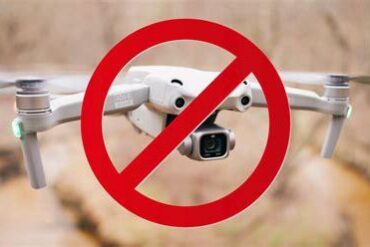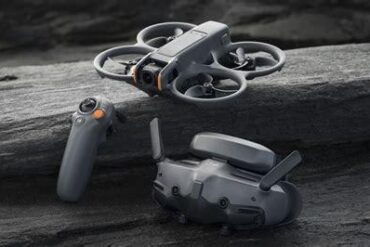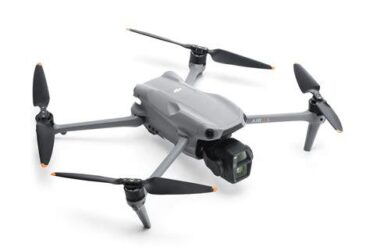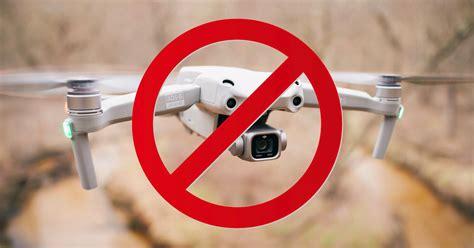
DJI, the world’s largest drone manufacturer, has responded to reports of a forthcoming U.S. executive order potentially banning Chinese drone sales with an unexpected stance: it welcomes the review. While at first glance, such regulatory action might seem like a death knell for DJI’s dominance in the American drone market, the company is positioning this challenge as an opportunity to reaffirm its commitment to transparency and data security.
Recent leaks from The Washington Post suggest that the Trump administration is preparing a suite of executive orders that could bar DJI and other Chinese drone makers from selling new models in the United States. The implications are massive. DJI drones dominate the U.S. skies, not just among hobbyists but across industrial sectors, law enforcement, agriculture, and even emergency response teams.
The Political Landscape: More Than Just Tariffs
This potential ban is not without precedent. The scrutiny surrounding Chinese technology firms has been intensifying over the past decade, spanning across administrations from Obama to Trump and Biden. In fact, Section 1709 of the 2025 National Defense Authorization Act, signed during Biden’s tenure, mandates that a national security agency determine whether Chinese-made drones represent an “unacceptable risk” to U.S. safety and national interests.
The problem, however, is that no agency has yet taken up that task. Despite the mandate, the absence of action has left a legal and economic limbo. DJI, in an attempt to break the stalemate, issued an open letter in March 2025 through its Head of Global Policy, Adam Welsh, urging American national security agencies to begin the review process immediately.
“We welcome this scrutiny,” Welsh declared. “DJI is confident that its products can withstand your strictest scrutiny.” This assertiveness stems from the belief that independent audits and multiple U.S. agencies have already validated DJI’s cybersecurity protocols, contrary to the narrative perpetuated by critics.
DJI’s Security Architecture: No Data Without Consent
At the heart of the U.S. government’s concerns is the possibility that flight data, images, or video footage collected by DJI drones could be siphoned off to Chinese state entities. DJI has long denied such allegations, and the company has taken visible, verifiable steps to ensure data security.
- Local Data Mode: This critical feature ensures that the DJI flight app completely severs internet connectivity, preventing any data transfer.
- No Default Syncing: DJI devices do not automatically upload flight logs, photos, or videos unless explicitly authorized by the user.
- U.S.-specific restrictions: U.S.-based users are restricted from syncing flight logs with DJI’s servers at all.
- Third-party integration: The app allows for third-party data management and enables users to manually delete stored data.
These protocols, DJI argues, empower users to maintain full control over their operational data, addressing precisely the kind of privacy and security risks that legislators have raised.
Economic Fallout: A Ban Could Backfire
Despite the security rhetoric, the impending ban has a significant economic dimension. Welsh highlights that DJI’s operations support nearly half a million U.S. jobs and contribute to over $116 billion in economic activity. These figures are not abstract—they ripple through drone retailers, service providers, repair shops, software developers, and a wide range of professional users.
If Chinese drones are banned, who fills the vacuum? Companies like Skydio, a U.S.-based drone maker, might seize the opportunity. However, Skydio’s pricing, availability, and feature set have yet to match DJI’s dominance, particularly in the consumer and prosumer segments.
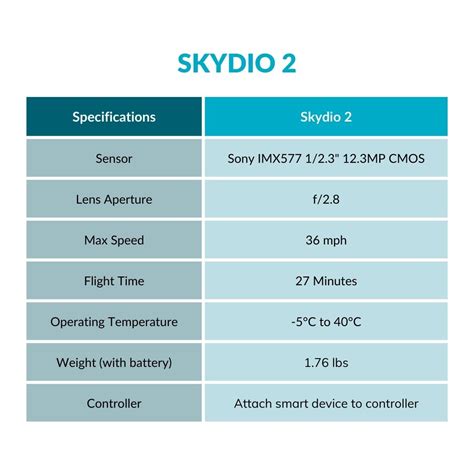
A forced transition could also mean higher prices for consumers and commercial operators, diminished innovation, and delayed projects across various sectors. In short, the cure might feel worse than the disease if domestic alternatives fail to rise to the challenge quickly enough.
The Mavic 4 Pro Delay: Strategic Pause or Regulatory Anxiety?
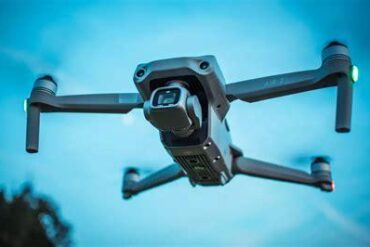
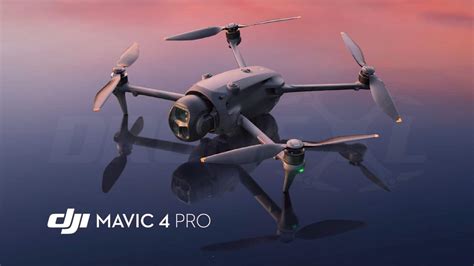
In a move signaling how seriously DJI is taking the U.S. regulatory climate, the company has postponed the U.S. launch of its new flagship model, the Mavic 4 Pro. This drone—widely leaked and hyped in international markets—features a triple-camera array, cutting-edge obstacle avoidance, and an extended flight time that many believe could redefine aerial cinematography.
The decision to delay isn’t about product readiness but about regulatory uncertainty. Launching a new product only to see it immediately banned would be a costly mistake. DJI’s strategic pause suggests a wait-and-see approach, betting on the outcome of the pending executive orders and hoping that evidence-based evaluation prevails over political maneuvering.
Between Nationalism and Globalization: A Battle of Narratives
The broader issue sits at the intersection of tech nationalism and global market integration. The Trump administration has frequently framed Chinese tech as a Trojan horse, arguing that even commercially innocuous products like consumer drones could be repurposed for surveillance or sabotage. Critics, however, see these fears as vague and unsubstantiated, often pointing out the lack of concrete evidence of misuse by DJI.
This isn’t the first time DJI has been caught in geopolitical crossfire. In past years, the company has faced sanctions, entity listings, and restrictions on federal procurement of its devices. Despite all this, it continues to dominate the global drone market.
The real question isn’t whether DJI drones could be used to compromise U.S. security—it’s whether they have been. So far, no smoking gun has emerged, only hypotheticals and suspicions.
Looking Ahead: Transparency vs. Isolationism
If the Biden-signed mandate is followed through and an independent, comprehensive review is conducted, it could settle this debate once and for all. If DJI passes, the brand could gain unprecedented credibility in the U.S. market. But if not, it could mark a turning point for drone technology procurement and development in the West.
DJI’s position is clear: bring on the scrutiny. The company seems not only prepared but eager to be investigated, believing that objective, technical assessments will prove its innocence. This stands in stark contrast to the defensive legalese and stonewalling that often characterize firms under regulatory fire.
Conclusion: A Defining Moment for the Drone Industry
The U.S. is on the brink of a policy decision that could reshape the global drone industry. For DJI, it’s a high-stakes gamble with potential rewards as great as the risks. Should it withstand the national security review, it will not just maintain its market share—it could strengthen its brand identity as the world’s most transparent and user-centric drone manufacturer.
But in the fog of trade wars and technological nationalism, clarity is rare. What remains to be seen is whether evidence-based regulation will triumph over political expedience—and whether DJI’s strategy of open engagement will set a new precedent for how foreign tech firms navigate the minefields of U.S. policy.