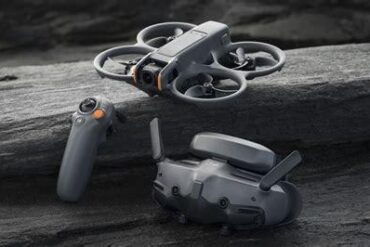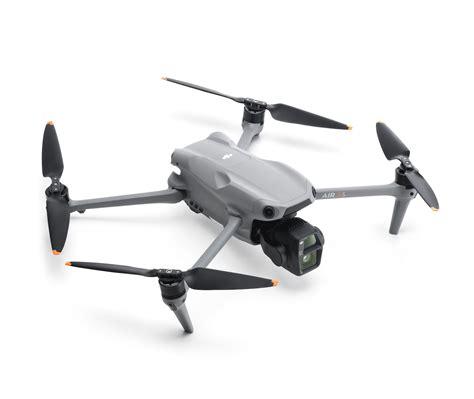
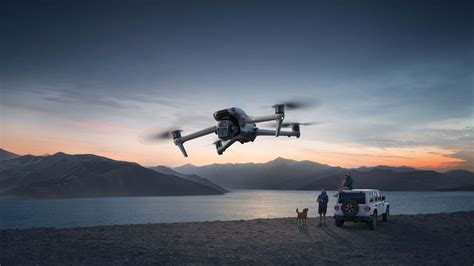
The DJI Air 3S emerges as the go-to drone for travel photographers seeking portability without sacrificing performance. Compact enough to slide into a carry-on yet powerful enough to capture cinematic footage in rugged conditions, the Air 3S is DJI’s most refined travel drone yet. Its dual-camera system, enhanced LiDAR obstacle detection, and extended battery life set a new standard for aerial photography on the go.
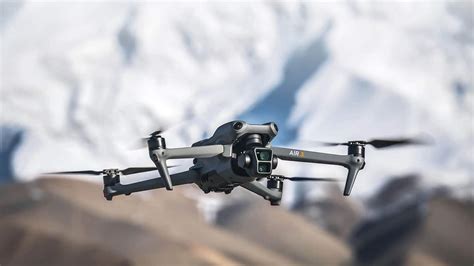
Unmatched Portability Without Compromise
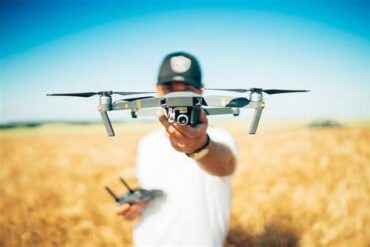
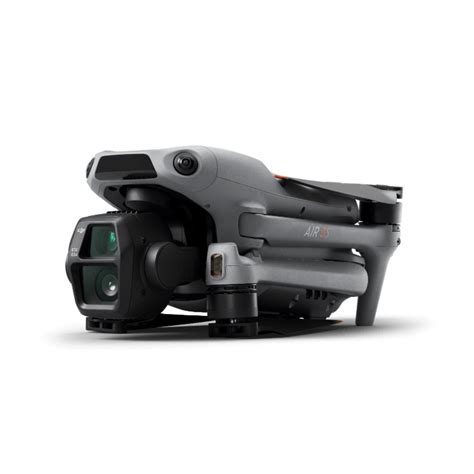
At 724 grams, the DJI Air 3S is heavier than the ultra-light Mini series but still folds down to a remarkably compact 214.19×100.63×89.17 mm. This means it slips easily into a standard travel backpack or the Fly More Combo shoulder bag—alongside your laptop, chargers, and essentials—without exceeding carry-on limits. For travelers constantly on the move, it’s the perfect balance of power and portability.
What sets the Air 3S apart from bulkier alternatives like the Mavic 3 Pro is how little space it takes while still delivering professional-grade results. This is the drone that can live in your daypack without becoming a burden, ready to launch whenever you stumble upon that once-in-a-lifetime view.
Next-Level Obstacle Avoidance With Forward-Facing LiDAR
Flying in unfamiliar terrain often poses a risk, especially during dawn or dusk when lighting is unpredictable. That’s where DJI’s forward-facing LiDAR technology makes a transformative impact. LiDAR enhances omnidirectional obstacle sensing, providing superior depth mapping and real-time detection in low-light or foggy environments.
During real-world tests in Oahu, Hawaii, the Air 3S confidently navigated near rocky coastlines and palm groves—even in windy, humid conditions. The drone’s auto-adjust alerts prompted course corrections when wind speeds exceeded safe thresholds, yet it remained impressively stable. You can trust this drone not only to fly smart but also to protect itself and your investment.
Stunning Visuals: Dual-Camera Power and Panorama Mode
The DJI Air 3S upgrades the Air line with a 1-inch CMOS 50 MP sensor paired with a dual-camera system, providing unmatched flexibility in capturing wide landscapes and tight detail shots. The main sensor captures vibrant colors with dynamic range that rivals DSLRs, while the telephoto lens allows crisp close-ups of distant scenes without flying too close.
In addition to RAW photo support and D-Log M, the Air 3S now includes an integrated Panorama Mode, making it effortless to create ultra-wide images without relying on post-processing. Whether you’re shooting city skylines or sweeping coastal cliffs, the onboard processing takes care of the stitch work with pro-level results.
Longer Flights, Less Hassle
One of the most tangible improvements is the 45-minute flight time, far surpassing previous DJI Air models and even edging out the Mavic 3 Pro by two minutes. That extra flight duration translates to more time framing shots and less stress about battery swaps in remote areas.
With the Fly More Combo, users get two additional batteries and a multi-battery charging hub, enabling back-to-back flights without pause. This extended endurance is crucial for adventurers hiking into remote locations where power outlets are scarce.
Seamless File Transfers and Massive Internal Storage
Gone are the days of fumbling with SD cards or waiting to get home to see your footage. The Air 3S offers 42 GB of built-in storage, enough to hold several high-resolution flights’ worth of photos and 4K video. That’s more than five times the storage of the Air 2 and Mini 4 Pro.
When you land, simply power on the drone and open the DJI Fly app. Your footage syncs instantly to your smartphone, ready to post within minutes. For creators on the move, this fluid workflow is a game-changer.
The Sweet Spot Between Mini and Mavic
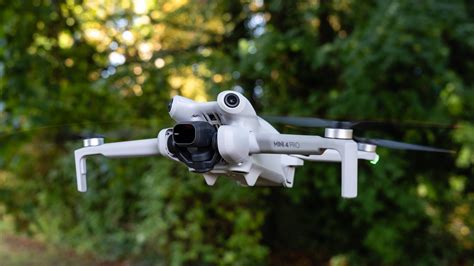
DJI has fine-tuned the Air 3S to occupy a strategic middle ground between the lightweight Mini series and the pro-level Mavic line. While the Mini 4 Pro excels in portability and regulation-free flying due to its sub-250g weight, it lacks the raw image quality, flight time, and obstacle sensing of the Air 3S.
On the other hand, the Mavic 3 Pro boasts a triple-lens system and ProRes recording, but at 895 grams and more than double the price, it’s overkill for most travel content creators. The Air 3S, with its high-end camera and robust sensors, delivers 90% of the Mavic’s performance at 50% of the size and cost.
Professional Features That Travel Well
From rugged coastlines to bustling cities, the Air 3S is built to handle diverse shooting scenarios. Its 12 m/s wind resistance provides confidence in gusty conditions, while Local Data Mode makes it suitable for use in sensitive corporate or government environments.
Whether you’re documenting hikes, surfing sessions, weddings, or cityscapes, the drone’s high bitrate, 10-bit H.265 codec, and intelligent flight modes empower creators to focus on storytelling rather than technical troubleshooting.
Who Should Buy the DJI Air 3S?
The Air 3S is best suited for:
- Travel photographers looking for professional-quality footage without hauling heavy gear.
- Intermediate to advanced drone pilots who want premium features in a manageable form.
- Commercial users in sectors like real estate, tourism, or government, especially where privacy settings like Local Data Mode are vital.
- Adventurers and explorers who need a reliable, wind-resistant drone that can withstand varied climates.
It’s not ideal for:
- First-time flyers who may find the price and features overwhelming.
- Urban pilots who frequently encounter signal interference or restricted zones.
- Minimalist travelers who prioritize ultralight packing over camera performance.
Price Breakdown and Best Value Configuration
Starting at $1,099 with the RC-N3 controller, the DJI Air 3S is positioned at the high end of the consumer drone market but remains significantly more affordable than flagship models like the Mavic 3 Pro. The best value lies in the Fly More Combo with DJI RC 2 ($1,599), which includes:
- The RC 2 remote with a built-in screen (no phone needed)
- Two extra batteries
- ND filter set
- Charging hub
- Shoulder travel bag
This setup minimizes friction during setup and allows for a much smoother flying experience, especially in environments where phone notifications, cables, or app crashes can disrupt your flow.
Final Verdict: The Best Drone for Travel Photographers in 2025
The DJI Air 3S delivers an unmatched mix of portability, power, and ease of use, making it the ideal drone for travelers, content creators, and professionals alike. Its dual-camera system, forward-facing LiDAR, extended flight time, and spacious internal storage redefine what’s possible in a mid-sized drone.
Whether you’re chasing sunsets over Santorini, capturing waterfalls in Iceland, or filming a festival from above, the DJI Air 3S is ready to elevate your visual storytelling. For anyone who takes travel content seriously, this drone isn’t just worth the price—it’s essential.