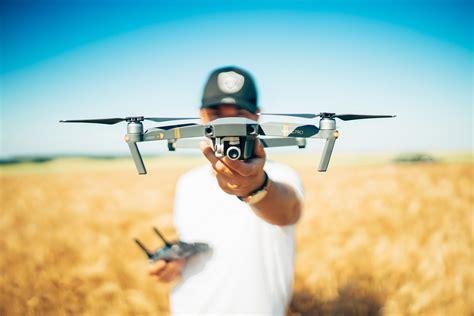
Aspiring aerial creators no longer need helicopters, cranes, or jibs to capture breathtaking footage. Consumer drones with cameras have democratized the skies, turning cinematic possibilities into realities from the palm of your hand. After hands-on testing of 36 drone models, evaluating camera performance, flight time, ease of use, and smart features, we’ve determined the DJI Air 3S to be the best drone with a camera for most people in 2025.
Compact enough to travel anywhere yet powerful enough to shoot high-end footage, the Air 3S strikes the perfect balance for professionals and serious hobbyists alike. While U.S. tariffs may impact pricing in the near future, the drone market continues to thrive on innovation, offering options for every budget and experience level.
Why the DJI Air 3S Dominates in 2025
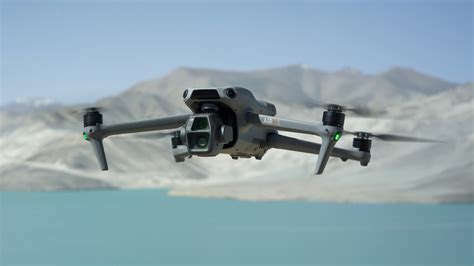
The DJI Air 3S is built around versatility. Its dual-camera setup includes a 24 mm ƒ/1.8 wide-angle lens and a 70 mm ƒ/2.8 telephoto, enabling both sweeping vistas and compressed, cinematic close-ups. These lenses are powered by high-quality sensors that deliver 4K video clarity and 48 MP stills, ensuring that every flight is a content opportunity.
Autonomy is where this drone truly excels. With 360° obstacle avoidance, powered by omnidirectional vision sensors and front-facing LiDAR, the Air 3S navigates complex environments with confidence. Whether weaving between trees or tracking a moving subject, it maintains a smooth, collision-free trajectory.
Its 45-minute maximum flight time surpasses most competitors in the same weight class. Meanwhile, OccuSync 4.0 provides an ultra-stable live video feed up to 20 km away, and the included DJI RC 2 controller brings ergonomic ease and a bright, built-in display. This blend of range, safety, and visual fidelity makes it the top pick for both content creators and drone enthusiasts.
For Pros: DJI Mavic 3 Pro Delivers Elite Features
Professionals seeking unmatched image quality and aerial flexibility will gravitate toward the DJI Mavic 3 Pro. Its Hasselblad Four Thirds main sensor captures stunning 5.1K footage with a cinematic dynamic range, preserving detail in both shadows and highlights. The addition of two telephoto lenses (70 mm and 166 mm) introduces creative freedom previously reserved for cinema rigs.
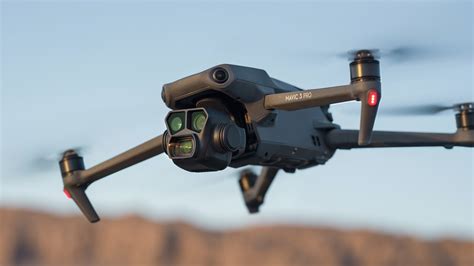
With omnidirectional obstacle sensors, the Mavic 3 Pro is exceptionally safe during complex shots, whether flying backward or orbiting at high altitudes. It also supports Apple ProRes for post-production flexibility and includes a 1 TB SSD when purchased as part of the Cine package. For elite creators who demand top-tier results, this drone justifies its $3,000+ price tag.
Budget Pick: DJI Mini 3 Brings Value Without Compromise
Not everyone needs cinematic specs or long-distance tracking. Enter the DJI Mini 3, a lightweight powerhouse weighing just under 250 grams, exempting it from many international drone regulations. Despite its compact body, it offers 4K video at 30 fps, 48 MP still images, and up to 51 minutes of flight time with the extended battery.
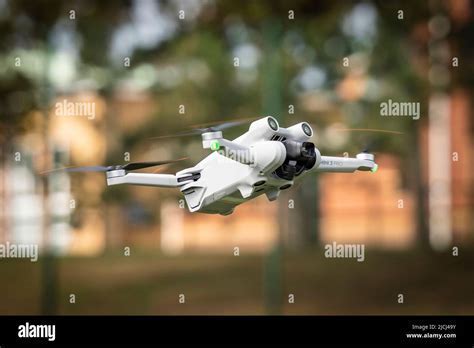
While it lacks advanced obstacle avoidance and some smart modes, the Mini 3 makes aerial footage accessible. With basic stabilization and reliable performance in clear conditions, it’s an excellent choice for beginners or travelers who want easy portability with decent visual performance.
Best FPV for Beginners: DJI Avata 2 Unleashes First-Person Thrill
The DJI Avata 2 is purpose-built for immersive flight experiences. Featuring a single-axis gimbal and a 1/1.3″ sensor, it captures fluid 4K/100 fps video from an agile, protective frame. Designed for beginner FPV pilots, it includes an intuitive motion controller that mimics natural hand movements, simplifying navigation.
It supports easy acro maneuvers, allowing new users to execute flips and rolls without mastering complex stick inputs. The 27 m/s top speed and rugged build make it ideal for close-quarters flying, especially in urban or wooded environments. Its 20-minute battery life is short but expected in the FPV category, where weight and agility are paramount.
Alternative Excellence: Autel Evo Lite+ for DJI-Free Flight
For users seeking a non-DJI alternative, the Autel Evo Lite+ impresses with a 6K-capable 1″ sensor, capturing rich detail and vibrant color. With a generous 40-minute flight time, front/back/bottom sensors, and quieter rotors, it competes directly with mid-tier DJI models.

Autel’s Sky app, available from the Play Store, offers an intuitive interface and intelligent flight modes, though it lacks the same polish and ecosystem depth as DJI’s Fly app. Still, the Evo Lite+ is a strong pick for drone enthusiasts who value performance and wish to avoid proprietary platforms.
How We Test: Rigorous Evaluations for Real-World Reliability
Since 2016, we’ve conducted comprehensive tests on consumer drones, flying them through dense forests, high wind, and GPS-denied environments. Each drone is graded on:
- Camera quality: resolution, low-light performance, lens variety
- Stability and responsiveness: under gusty or shifting wind
- Battery life: duration and real-world recharging time
- Obstacle avoidance: navigating trees, buildings, and people
- Intelligent modes: like Follow Me, Waypoints, and Point of Interest
- Controller ergonomics: screen visibility, app interface, latency
Our testing ensures that every recommendation holds up not only in theory but in demanding real-world conditions.
Other Noteworthy Models Worth a Look
While our top picks cover most user needs, several other drones warrant mention:
- DJI Mini 4 Pro: Sub-250 g drone with 360° obstacle avoidance and advanced shooting features that approach the Air 3S.
- Potensic Atom: Budget-friendly 4K drone with 3-axis gimbal, though its performance is inconsistent in challenging weather.
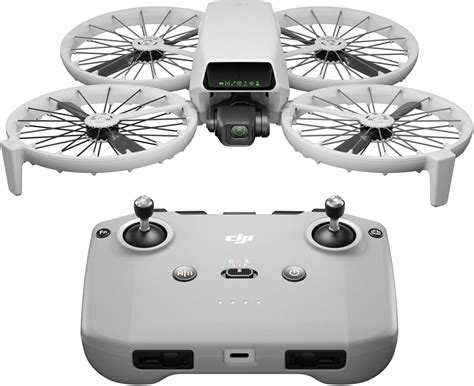
- DJI Flip: Designed for social media users with portrait mode and fully enclosed props, making it safe indoors or near crowds. Its lack of a controller and higher cost over the Mini 3 may be limiting.
DJI Security and Privacy Concerns
While DJI remains the industry leader, it faces ongoing scrutiny over data privacy, especially in the U.S. market. The DJI Fly app requires sideloading on Android in some cases, raising user concerns. DJI offers offline modes, and users can disable geofencing and telemetry, though doing so often restricts core functionality like live maps or firmware updates.
The FCC has suggested potential import restrictions by late 2025, though no bans have yet materialized. We advise users handling sensitive data (e.g., infrastructure inspectors) to evaluate these concerns carefully.
What’s on the Horizon: The Future of Aerial Tech
The drone industry continues its rapid evolution, with major innovations poised to reshape user expectations. Following CES 2025, we anticipate the release of HoverAir X1 Pro models, which promise:
- Modular controllers with interchangeable grips
- 4K and 8K video recording on compact, stabilized platforms
- Enhanced object tracking powered by new AI algorithms
- Higher flight speeds and smarter return-to-home capabilities
These new entrants may challenge DJI’s dominance and redefine portable drone design. However, as of early 2025, none have matched the holistic performance and support ecosystem offered by the Air 3S.
Conclusion: Choosing the Right Drone for Your Sky
Whether you’re a vlogger, a real estate agent, or an aspiring filmmaker, camera drones in 2025 offer more options, better quality, and higher autonomy than ever before. The DJI Air 3S provides an unmatched combination of image quality, flight time, and safety in a portable package. Those with higher budgets and advanced needs should consider the Mavic 3 Pro, while casual users or travelers will find the Mini 3 ideal.
As new models emerge, staying informed and prioritizing your shooting style and budget will ensure that the sky is not the limit—but the starting point.