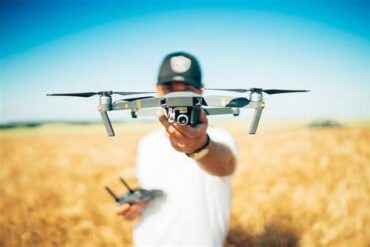
The intersection of action sports photography and aerial cinematography has birthed an exciting new frontier for young creatives. For teenagers already immersed in sports like skiing or snowboarding, adding a starter drone to their gear unlocks stunning new perspectives and storytelling possibilities. When searching for the best starter drone within a $300–$400 budget for a teen who already handles action cams like GoPro and Insta360, and who has experience with RC vehicles, we believe a well-rounded choice must balance camera quality, ease of use, durability, and long-term expandability.
Why Drones Are a Game-Changer for Action Sports Photography
Action sports thrive on momentum, energy, and environment. While ground-based cameras capture intensity up close, drones open the vertical world, giving thrilling aerial overviews, follow shots, and sweeping cinematic sequences. The ability to hover above snow-covered terrain or trail a rider carving downhill adds dynamic movement and context that transforms amateur footage into a pro-level experience.
This immersive view resonates especially with teens accustomed to high-energy, fast-paced footage. A drone becomes not just a flying camera, but a storytelling tool.
Key Criteria for Choosing the Right Starter Drone
When selecting a beginner drone for a teenager who wants to explore aerial sports photography, we considered the following aspects:
- Camera Quality: Must offer 4K video resolution for compatibility with existing GoPro or Insta360 footage.
- Stability and GPS Lock: Essential for steady shots in windy or uneven terrain.
- Flight Time: Minimum of 25 minutes to support mountain sessions without repeated battery swaps.
- Repairability and Customization: Important for teens already experienced with RC models.
- Portability: Lightweight builds are ideal for skiers or snowboarders with limited backpack space.
DJI Mini 3: Top Choice for Balanced Performance and Price
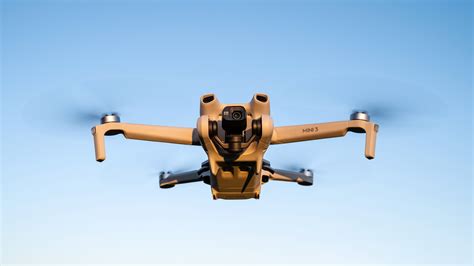
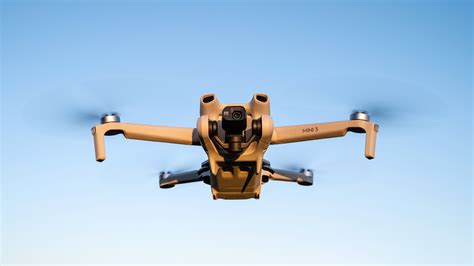
Among the options evaluated, the DJI Mini 3 emerges as the standout choice. It offers a compelling mix of camera performance, intelligent flight features, and reliability within the $300–$400 budget.
The DJI Mini 3 features a 1/1.3-inch CMOS sensor that records 4K HDR video at 30fps, with vertical shooting support — perfect for Instagram or TikTok-style edits. Its 38-minute max flight time (under optimal conditions) provides exceptional value, and the three-axis mechanical gimbal ensures footage remains silky smooth, even during windy runs.
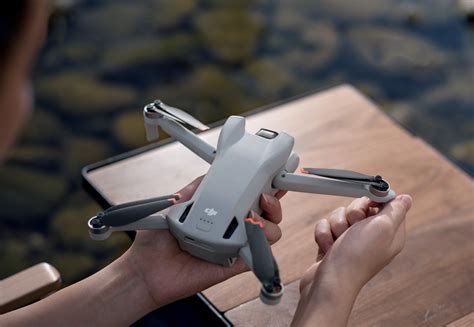
Moreover, the Mini 3 weighs under 249 grams, which means it often doesn’t require FAA registration for recreational use — a key advantage for teenagers new to drone regulations.
Durability, Safety, and Smart Features for Teens
Teen pilots need a drone that offers smart failsafes and recovery systems. The DJI Mini 3 offers return-to-home (RTH) capabilities, obstacle detection (though limited compared to higher-end models), and user-friendly flight controls through the DJI Fly app. The intuitive UI and pre-set QuickShots — like Dronie, Circle, or Helix — make it easy to shoot complex shots with one tap.
While the Mini 3 lacks sideways obstacle sensors, the vertical and downward sensors offer enough protection for beginner-level flying, especially in open outdoor environments.
Alternatives: FPV and Other Brands
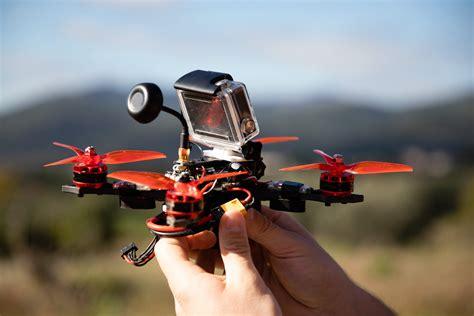
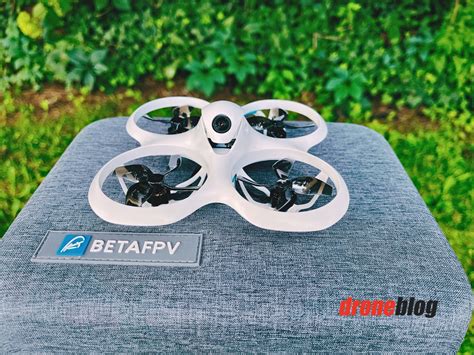
Some enthusiasts advocate for FPV (First-Person View) drones for action sports, and it’s true: FPV systems capture a different, thrilling perspective — tight turns, dives, and first-person immersion. Kits like the Cetus X FPV Flight Kit by BetaFPV are beginner-friendly and budget-aligned.
However, FPV drones come with a steeper learning curve, especially in terms of manual controls and risk of crashes. They’re excellent for teens deeply interested in building, customizing, and piloting with goggles, but less ideal for those focused primarily on capturing high-quality footage over learning acrobatic flying.
FPV: Pros and Cons for Beginners
Pros:
- Immersive flying experience
- Unique cinematic motion
- Complete kits available under $400
Cons:
- Shorter flight times (often <10 minutes)
- High crash potential
- Requires learning Acro Mode for full capability
Should You Consider Other DJI Models?
The DJI Mini 2 remains a solid alternative, offering 4K video at a slightly reduced price. It lacks the vertical shooting and newer transmission tech of the Mini 3, but it’s often found under $350 — especially refurbished units.
The DJI Mini 3 Pro, while more advanced, typically exceeds the $400 price limit unless bought used or refurbished. It offers tri-directional obstacle sensing and a larger aperture lens, giving it a noticeable edge in low-light and complex environments — worth considering if futureproofing is a high priority.
The DJI Mavic Air 2 was once a standout, but newer models have surpassed it in portability and smart features, and its age may limit compatibility with upcoming DJI Fly app updates.
Repairability and Accessory Ecosystem
For teenagers already immersed in RC hobbies, repairability and customization matter. DJI drones offer a wide ecosystem of third-party accessories: propeller guards, ND filters, carrying cases, and more. While the Mini 3 doesn’t support full modular disassembly like some FPV kits, it does allow for minor component replacements (propellers, gimbal protectors), and DJI Refresh coverage offers peace of mind for crash-prone early flights.
Rotor Riot’s FPV kits offer better modularity but require hands-on soldering and deeper drone literacy — a great long-term direction, but not always ideal for beginners.
Insurance and Safety Considerations
Liability and hull insurance should not be overlooked. Teens experimenting with aerial gear around ski resorts or public land should fly responsibly. DJI offers the DJI Care Refresh plan that covers accidental damage, including water and collision-related incidents, making it highly recommended.
Also, teaching your teen drone safety fundamentals — from respecting no-fly zones to practicing pre-flight checklists — goes hand-in-hand with responsible ownership.
Final Recommendation: DJI Mini 3 for the Win
After analyzing camera quality, user-friendliness, portability, smart features, and ecosystem support, the DJI Mini 3 stands out as the best starter drone for teenagers interested in action sports photography. It strikes an ideal balance between professional capability and beginner accessibility, with room to grow into more advanced drones later.
The FPV route remains an exciting secondary path for teens with a deeper mechanical or immersive flying interest, but for the aspiring action photographer aiming to elevate their footage quality while maintaining ease of use, the Mini 3 hits the sweet spot.
FAQs
Is the DJI Mini 3 suitable for high-speed action sports like snowboarding or skiing?
Yes, it’s well-suited for tracking riders thanks to its 4K resolution, gimbal stabilization, and intelligent flight paths. However, it lacks full follow-me autonomy unless paired with third-party mods or upgraded controllers.
Can teens fly drones legally without registration?
Drones under 250g, like the DJI Mini 3, typically don’t require FAA registration for recreational use in the U.S. Always check local regulations to ensure compliance.
How long will the battery last during winter sports filming?
In colder environments, expect around 25–30 minutes of flight time versus the advertised 38. Carry spare batteries and use a hand warmer pouch to maintain performance.
What happens if the drone crashes?
The DJI Mini 3 is repairable to a point. For major crashes, DJI Care Refresh covers replacements. Teens with RC experience will find minor propeller or arm replacements manageable.
Is FPV flying hard to learn for beginners?
Yes. FPV flying requires manual skills and situational awareness. It’s more difficult than flying a stabilized GPS drone but rewarding for teens willing to practice and troubleshoot.
Does the Mini 3 offer good social media video formats?
Absolutely. The vertical video mode is designed for content creators who post to Instagram Stories, TikTok, or Snapchat.
In conclusion, if your teen is ready to take their action sports photography to the skies, the DJI Mini 3 is a safe, capable, and inspiring first drone that will deliver jaw-dropping footage and lay a solid foundation for future aerial adventures.