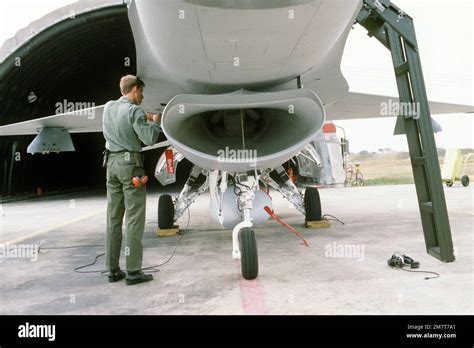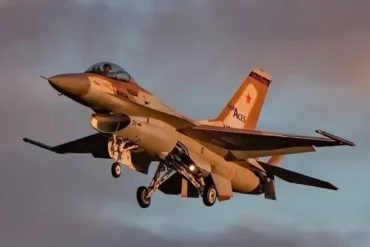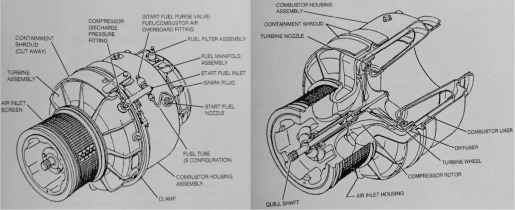
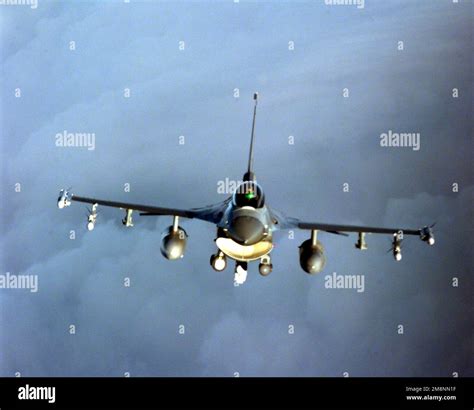
The F-16 Fighting Falcon is a highly agile, single-engine multirole fighter aircraft known for its superior performance and rapid deployment capabilities. A critical component of its power system is the Jet Fuel Starter (JFS), which plays a key role in ensuring operational readiness by enabling engine startup without reliance on external ground support. This article provides a comprehensive analysis of the F-16 JFS, its functionality, technical evolution, and its impact on combat operations.
Function and Design of the F-16 JFS
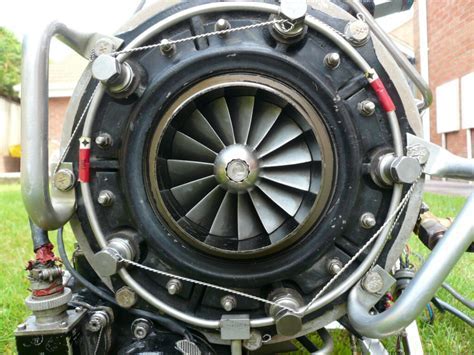
The Jet Fuel Starter (JFS) in the F-16 belongs to the category of Auxiliary Power Units (APU), serving as an essential mechanism for initiating the fighter’s main engine. It operates by providing either compressed air or mechanical power to the engine, allowing for independent startup in field conditions. This autonomy significantly enhances the aircraft’s ability to launch missions swiftly, reducing dependency on ground equipment.
Depending on the engine variant installed in the F-16, the JFS exhibits minor structural differences. The two primary engine configurations for the F-16 include:
- Pratt & Whitney F100 series (F100-PW-200/229)
- General Electric F110 series (F110-GE-100/129)
Regardless of the engine type, the JFS relies on gas turbine technology, utilizing jet fuel combustion to generate the power necessary to rotate the main engine’s compressor and turbine sections until self-sustaining ignition is achieved.
Integration with the Power System
The F-16 JFS is intricately linked to the aircraft’s powertrain, playing a crucial role in its operational efficiency and mission readiness. Early F-16 variants were equipped with the Pratt & Whitney F100-PW-200 engine, while later iterations incorporated more advanced models such as the F100-PW-229 and General Electric’s F110-GE-129.
The thrust-to-weight ratio of these engines is notably high, with the F110-GE-129 reaching an impressive 9.1:1 ratio. This necessitates an exceptionally efficient and reliable JFS to provide the required initial power to spool up the engine swiftly and effectively.
The reliability of the JFS is a decisive factor in determining the sortie rate of an F-16 squadron. Since engine startups directly influence the frequency of aircraft deployment, JFS maintenance cycles are carefully synchronized with the overall engine servicing schedule to maximize uptime and minimize downtime.
Technological Advancements and Combat Significance
With continuous upgrades to the F-16 platform, particularly with the Block 70/72 configurations, the JFS system has also evolved. Notable improvements include:
- Enhanced electronic control modules (ECM): These allow for optimized fuel efficiency, faster ignition sequences, and greater adaptability to extreme environmental conditions such as high-altitude and hot desert climates.
- Improved fault diagnostics: Advanced self-monitoring and error detection systems contribute to proactive maintenance, reducing the likelihood of unexpected failures during operations.
- Stronger resilience in combat zones: The JFS’s autonomous operation reduces reliance on ground support equipment, thereby lowering detectability in enemy-monitored airfields.
One of the most well-documented examples of the JFS’s importance in combat was during Operation Opera (1981), when Israeli Air Force F-16s executed a precision strike on Iraq’s Osirak nuclear reactor. The ability to launch quickly and maintain continuous sortie rates played a vital role in mission success.
JFS and Fly-by-Wire Coordination
The JFS also interfaces with the F-16’s fly-by-wire system, ensuring a smooth transition from engine ignition to full operational readiness. The aircraft’s flight control system (FLCS) dynamically adjusts control surfaces, such as flaps and stabilizers, to counteract torque and thrust variations during startup. This automation ensures:
- Stability during ground operations
- Seamless power distribution to onboard systems
- Minimal manual intervention from pilots
Furthermore, in electronic warfare scenarios, the JFS’s independent start-up capability mitigates the need for external power sources, reducing the risk of detection by enemy surveillance systems.
Conclusion
The Jet Fuel Starter (JFS) is a fundamental component of the F-16 Fighting Falcon, ensuring rapid engine startup, operational flexibility, and self-sufficiency in combat environments. With advancements in engine technology and digital control systems, the JFS continues to evolve, playing a vital role in modern fighter aircraft readiness. Its integration with engine maintenance cycles, flight control systems, and electronic warfare strategies underscores its significance in ensuring the F-16’s dominance in air combat.
Frequently Asked Questions (FAQ)
1. How does the F-16 JFS compare to other aircraft startup systems?
The F-16 JFS is unique in its ability to provide independent engine ignition without requiring external ground power. This contrasts with older fighter jets that often rely on ground-based pneumatic or electrical starters.
2. What are the maintenance requirements for an F-16 JFS?
The JFS is serviced according to a preventive maintenance schedule, which aligns with the aircraft’s engine overhaul cycles. Regular oil inspections, turbine checks, and electronic diagnostics are essential to ensure optimal performance.
3. Can an F-16 take off if the JFS fails?
If the JFS malfunctions, the F-16 can still be started using external ground power units (GPU). However, this significantly limits its operational autonomy, especially in forward-deployed airbases or combat zones where ground support may be unavailable.