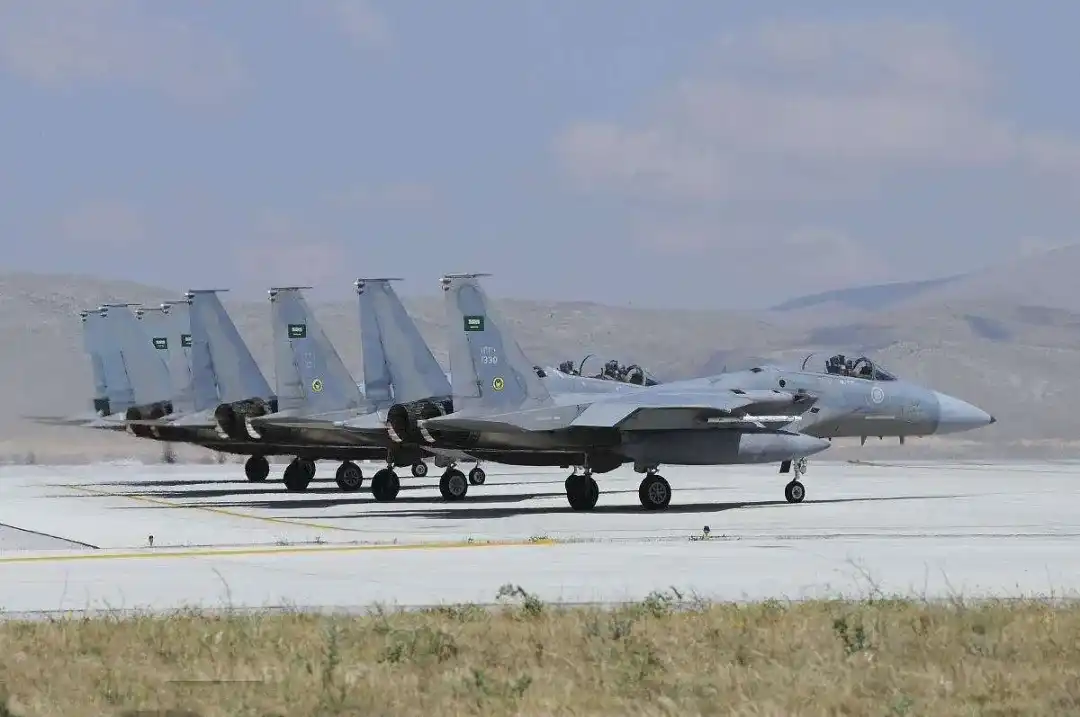
The Saudi F-15 fleet stands as a cornerstone of the Kingdom of Saudi Arabia’s air power, representing one of the most advanced and versatile fleets in the Middle East. Over the years, Saudi Arabia has become one of the largest international operators of the F-15 fighter jet, consistently investing in upgrades and modernization to maintain a technological edge in both regional defense and combat operations. This article explores the Saudi F-15 fleet, detailing its history, technical advancements, operational performance, and the strategic significance it holds for Saudi Arabia’s defense posture.
1. F-15 Fleet Overview and Deployment
Saudi Arabia’s relationship with the F-15 dates back to 1978 when the kingdom became one of the first international buyers of this iconic American fighter jet. The F-15 has since evolved into a multi-role, multi-generational fleet, with multiple variants serving different operational needs.
F-15C/D: Air Superiority Backbone
In 1978, Saudi Arabia procured 60 F-15C/D aircraft under the “Peace Sentinel” program. These jets were designed primarily for air superiority missions, with a focus on achieving control of the skies. The F-15C, equipped with advanced radar systems and capable of carrying a wide array of air-to-air missiles, formed the core of Saudi Arabia’s air defense capabilities. The F-15C/D aircraft are deployed across several squadrons, including the 2nd, 5th, 13th, and 34th, operating as the kingdom’s frontline interceptors.
F-15S: Multi-Role Versatility
In 1993, Saudi Arabia expanded its fleet with the acquisition of 68 F-15S aircraft, a variant designed for multi-role combat. The F-15S was equipped with more advanced avionics and weapons systems compared to the F-15C, but with a slight reduction in radar capabilities (such as a limited APG-70 radar). Despite this, the F-15S was an extremely versatile platform, capable of performing both air-to-air and air-to-ground missions. In the years following their initial procurement, Saudi Arabia upgraded the F-15S jets to the F-15SR configuration, enhancing their capabilities and bringing them closer to the performance of the more advanced F-15E variant.
F-15SA: The Most Advanced Variant
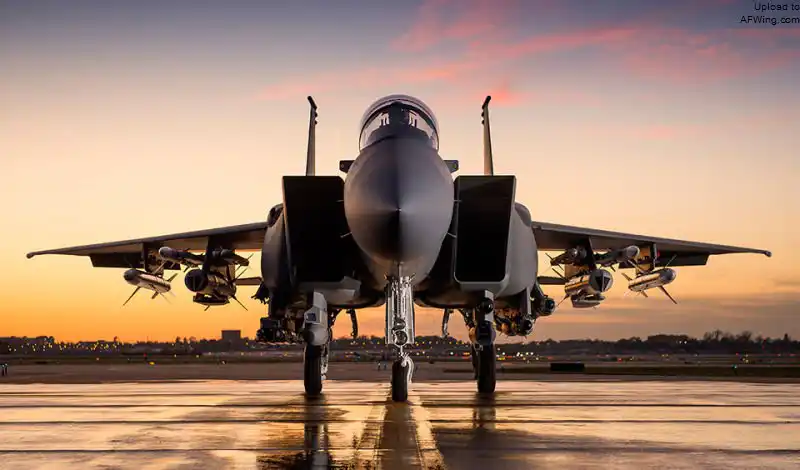
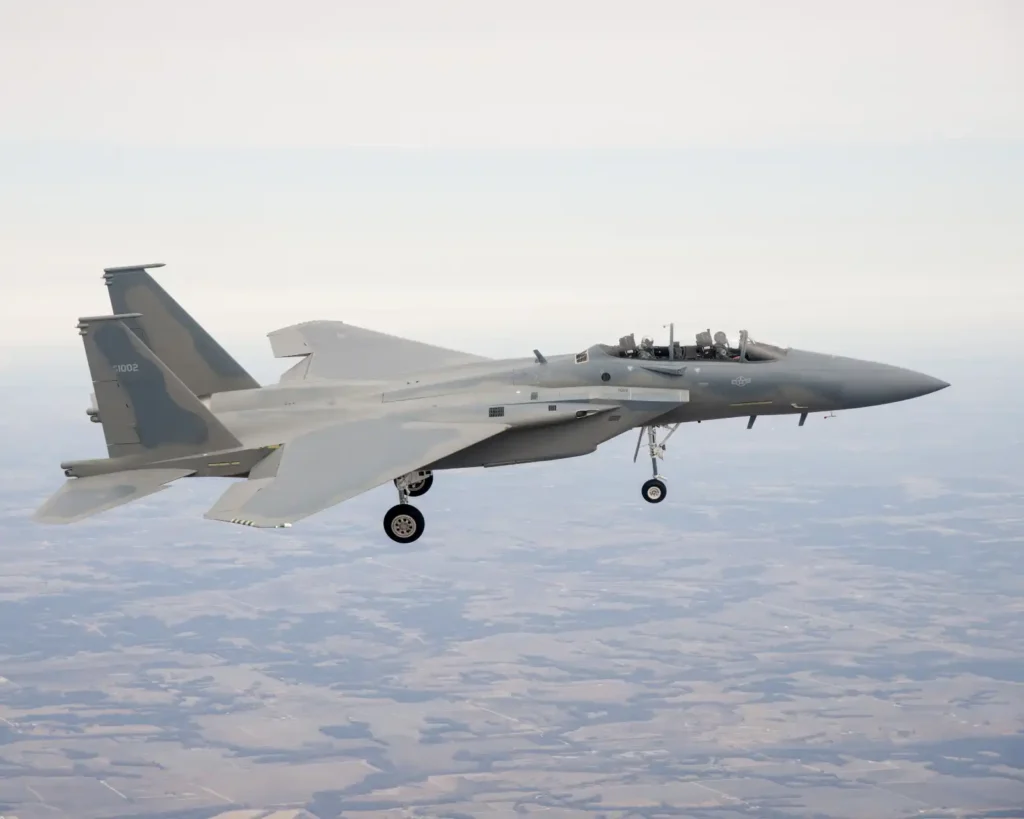
The most recent addition to Saudi Arabia’s fleet is the F-15SA, acquired in 2011 as part of a significant defense deal with the United States. With 84 aircraft in service, the F-15SA is one of the most advanced variants of the F-15 family worldwide. Based on the F-15E Strike Eagle, the F-15SA incorporates cutting-edge technology, including the AN/APG-63(V)3 active electronically scanned array (AESA) radar, which provides superior detection range and anti-jamming capabilities.
The F-15SA is also equipped with fly-by-wire flight control systems and advanced electronic warfare (EW) suites, such as the AN/ALQ-239. These systems enhance the aircraft’s survivability in complex electronic warfare environments. Additionally, the F-15SA can carry up to 22 air-to-air and air-to-ground missiles, including the AGM-84 Harpoon anti-ship missile, making it a formidable force in both air combat and precision strike operations.
2. Upgrades and Technological Advancements
To ensure the long-term operational relevance of its F-15 fleet, Saudi Arabia has consistently invested in modernization programs, focusing on avionics, weapons integration, and overall system enhancements.
2020 Modernization Program
In 2020, Boeing won a significant contract worth $9.8 billion to upgrade Saudi Arabia’s F-15 fleet. This program is slated to modernize 84 of the kingdom’s aircraft, bringing them to the most advanced technological standards. The upgrades include the integration of the AN/APG-82(V)1 radar, the same radar found in the F-15EX. This radar system provides enhanced detection capabilities, improved range, and greater anti-jamming performance, crucial for operations in contested airspace.
EPAWSS: Enhanced Survivability
A key component of the upgrade is the integration of the Eagle Passive/Active Warning and Survivability System (EPAWSS). This system significantly improves the aircraft’s ability to detect and counter enemy missile threats, enhancing survivability in a combat environment. The EPAWSS provides passive and active electronic warfare capabilities, offering a comprehensive suite of threat detection and countermeasure systems.
Expanded Weapon Integration
The upgrades also involve adding new hardpoints to the aircraft, which allow the F-15 to carry a wider variety of weapons. One of the most notable enhancements is the ability to carry more weapons, enabling the F-15SA to operate in a “beast mode” configuration. This setup allows the aircraft to carry a mix of 12 air-to-air missiles and precision-guided munitions, making it an extremely versatile platform for both defensive and offensive operations.
3. Operational Performance and Challenges
Saudi Arabia’s F-15 fleet has been tested in various real-world combat situations, particularly in the ongoing conflict in Yemen. These experiences have exposed both the strengths and limitations of the aircraft.
Combat Performance in Yemen
The Saudi F-15 fleet has been actively involved in the Yemen conflict, conducting numerous airstrikes and intercept missions against both Houthi rebels and other hostile forces. The jets have demonstrated their ability to deliver precision strikes and engage air targets, particularly through the use of AIM-9X Sidewinder missiles to intercept drone threats. The F-15 has proven effective in intercepting Qasef drones, deployed by Houthi forces, showcasing the aircraft’s capability to counter emerging threats in unconventional warfare.
However, the operational cost of these missions has raised concerns. For example, the interception of a single drone has been reported to cost up to $500,000 per engagement, leading to discussions about the cost-effectiveness of using high-end fighter jets to counter low-cost, small-scale drone threats.
Challenges: Vulnerabilities and Tactical Limitations
While the F-15 has performed well in several areas, it has not been without its challenges. In 2021, a Saudi F-15SA was shot down by a Soviet-era 2K12 anti-air missile system employed by Houthi forces. The incident revealed vulnerabilities in the aircraft’s electronic countermeasures and tactical execution. This loss highlighted the risks associated with older surface-to-air missile systems that can still pose significant threats, especially when modern countermeasures are ineffective.
Another challenge faced by the F-15 fleet is the difficulty in countering swarming drone tactics. The reliance on expensive, precision-guided munitions to defeat low-cost drone swarms has raised questions about the long-term sustainability of the aircraft’s role in countering asymmetric warfare tactics.

4. Strategic Significance and Future Directions
The Saudi F-15 fleet holds critical strategic significance for Saudi Arabia’s defense posture and regional influence. The aircraft’s advanced capabilities provide the kingdom with a potent tool for deterrence and defensive operations, while also positioning Saudi Arabia as a key player in the Middle Eastern military balance.
Regional Deterrence and Long-Range Strike
The F-15SA offers Saudi Arabia a significant strategic advantage due to its long-range strike capability. The ability to carry JASSM-ER (Joint Air-to-Surface Standoff Missile-Extended Range) missiles with a range of over 1,000 kilometers allows Saudi Arabia to conduct preemptive strikes and exert strategic pressure on regional adversaries. This long-range capability strengthens Saudi Arabia’s position as a regional deterrent force, capable of projecting power well beyond its borders.
Technology Transfer and Future Collaborations
The ongoing F-15 upgrades and the close relationship with Boeing reinforce Saudi Arabia’s strategic ties to the United States’ defense industry. However, the kingdom is also exploring potential partnerships with European defense manufacturers, particularly in the area of air defense systems. As the kingdom continues to modernize its fleet, it may also pursue greater integration with European weapon systems, further enhancing its defense capabilities.
Adapting to Future Threats: Laser Defense Systems
In response to the growing threat of drones, Saudi Arabia is exploring new defensive technologies. The kingdom is reportedly testing laser-based anti-aircraft systems as part of its effort to counter the threat posed by swarming drones and low-cost aerial targets. These technologies may eventually reduce the reliance on traditional fighter jets, such as the F-15, for certain defensive missions.
Conclusion
The Saudi F-15 fleet has proven to be an invaluable asset in maintaining air superiority, projecting military power, and enhancing Saudi Arabia’s regional defense capabilities. With ongoing investments in upgrades and modernization, including advanced radar, electronic warfare systems, and weapons integration, the fleet remains a formidable force in the Middle East. However, the challenges exposed in real-world combat underscore the need for continued innovation and adaptation to meet emerging threats, such as low-cost drone swarms and asymmetric warfare tactics.
As Saudi Arabia faces a rapidly changing security environment, the future of the F-15 fleet will hinge on its ability to integrate new technologies and adapt to evolving threats. With a focus on technological advancements and strategic partnerships, Saudi Arabia’s air force will continue to evolve, ensuring that the F-15 remains a central component of its defense strategy for years to come.