The Blue Angels, renowned for their breathtaking aerial displays, owe part of their success to a crucial yet often overlooked team member: Fat Albert. This aircraft, a Lockheed Martin C-130J Super Hercules, is not only integral to the logistical support of the Blue Angels but also captivates audiences with its own impressive aerobatic performances. In this article, we delve into the fascinating details of Fat Albert’s role, history, and technical prowess.
The Aircraft and Its Role
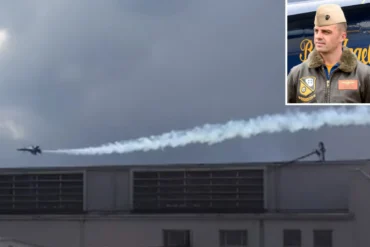
Fat Albert is a C-130J Super Hercules, a robust transport aircraft designed by Lockheed Martin. It serves multiple vital functions within the Blue Angels team, primarily focusing on transporting maintenance equipment and logistical supplies essential for the team’s operations. However, Fat Albert is more than just a workhorse; it is also a performer. Before the jet-powered Blue Angels take to the skies, Fat Albert delivers a stunning display of its own, typically taking to the air approximately 15 minutes prior to the main show.
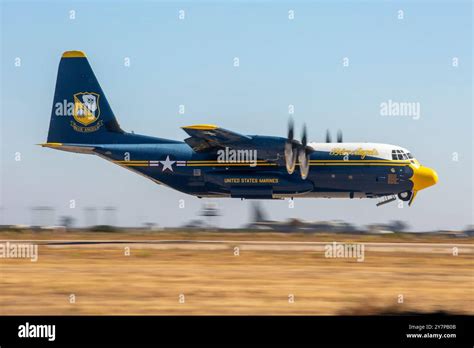
During its performance, Fat Albert showcases an array of aerobatic maneuvers, including low-altitude high-speed passes and the exhilarating Zero-G Maneuvers. These feats not only demonstrate the aircraft’s versatility but also highlight the skill of its Marine Corps pilots.
The Origin of the Name
The nickname “Fat Albert” originates from the 1970s American animated series, The Adventures of Fat Albert and the Cosby Kids. The moniker was inspired by the aircraft’s rotund fuselage, which bears a resemblance to the animated character. This affectionate name was first used by Marine Corps pilots in 1970 and has since become synonymous with the Blue Angels’ support aircraft.
Historical Evolution
Retirement of the Old Model
In 2019, after 17 years of service and over 30,000 flight hours, the previous model of Fat Albert, a C-130T, was retired. This marked the end of an era for an aircraft that had been a steadfast part of the Blue Angels’ logistics and performance team.
Introduction of the New Model
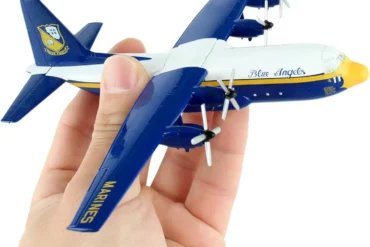
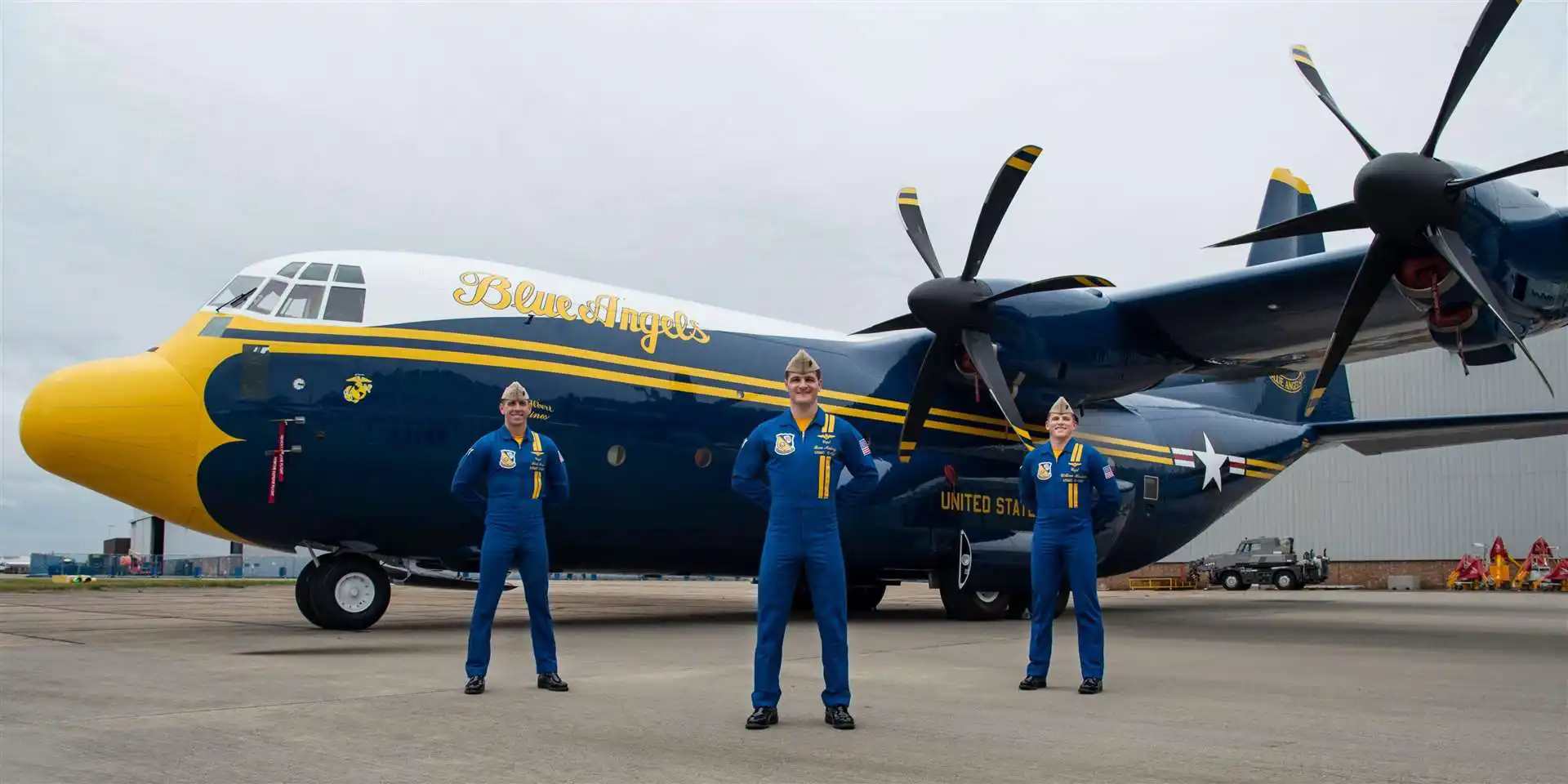
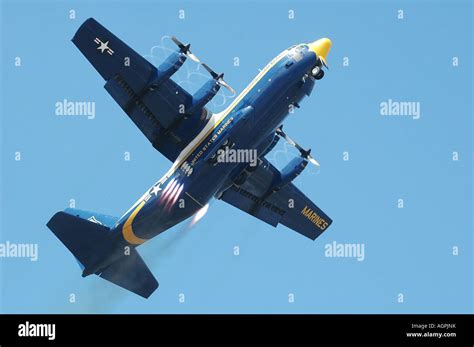
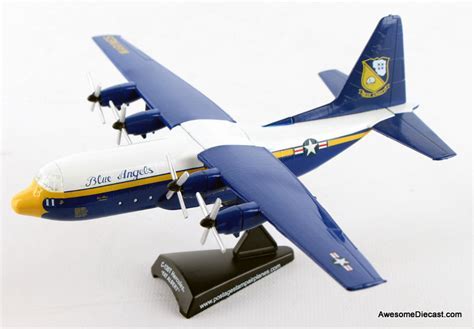
In 2021, the Blue Angels welcomed a new Fat Albert, upgrading to a C-130J acquired from the retired fleet of the Royal Air Force. This model boasts several enhancements, including six-bladed propellers and powerful Rolls-Royce AE-2100 engines, delivering a 20% increase in thrust. Additionally, the new aircraft is equipped with advanced technology such as an internal heads-up display, enhancing the capabilities of its crew.
Performance Features
Despite being a transport aircraft, the C-130J is capable of executing complex maneuvers typically reserved for fighter jets. Among these are short takeoffs and landings and the aforementioned Zero-G Maneuvers, during which passengers experience brief periods of weightlessness. These performances highlight the aircraft’s exceptional engineering and the expertise of its crew.
Distinctive Appearance
The new Fat Albert sports a distinctive paint scheme, featuring yellow wing tips, side stripes, and a teardrop-shaped top marker. These visual elements not only enhance its aesthetic appeal but also improve visibility during performances.
Crew and Affiliation
Fat Albert’s pilots and crew members hail from the United States Marine Corps, complementing the Navy pilots who fly the Blue Angels’ fighter jets. This collaboration between the Navy and Marine Corps is a testament to the seamless cooperation between these two branches of the U.S. military, both in everyday operations and during awe-inspiring aerial displays.
Conclusion
The story of Fat Albert is one of evolution, resilience, and exceptional performance. From its origins in the 1970s to its current role as a state-of-the-art support and aerobatic aircraft, Fat Albert remains an indispensable part of the Blue Angels team. Its presence not only supports the logistical needs of the team but also enthralls audiences with its own unique brand of aerial artistry.
Frequently Asked Questions
What is the main purpose of Fat Albert in the Blue Angels team?
Fat Albert’s primary role is to transport maintenance equipment and logistical supplies for the Blue Angels. Additionally, it performs its own aerobatic displays before the main jet performances.
Why is the aircraft called Fat Albert?
The nickname “Fat Albert” was inspired by the 1970s animated series The Adventures of Fat Albert and the Cosby Kids, due to the aircraft’s round fuselage resembling the animated character.
What upgrades were made in the new C-130J model?
The new C-130J model features six-bladed propellers, Rolls-Royce AE-2100 engines with a 20% thrust increase, and advanced technologies like an internal heads-up display, enhancing its performance and capabilities.