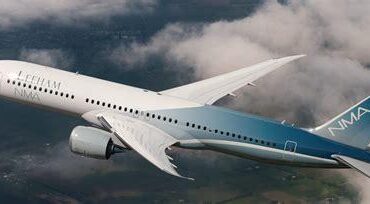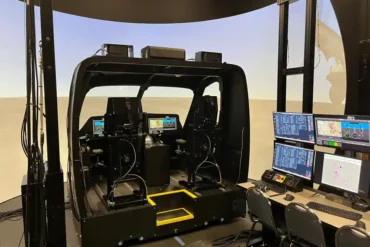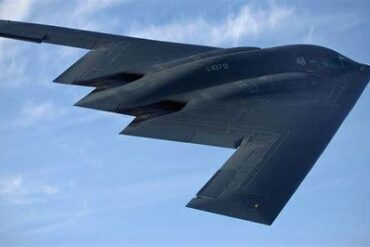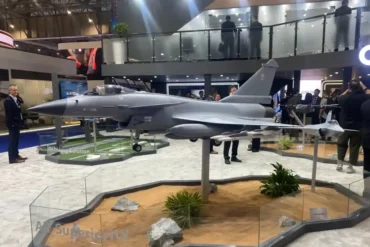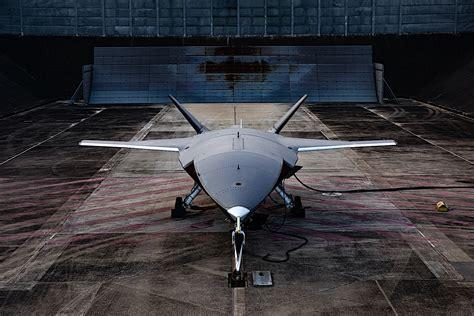
The 2025 Paris Airshow became a defining moment in modern aerial warfare, as the world’s leading defense companies unveiled their latest innovations in uncrewed combat aircraft, popularly referred to as ‘wingman’ drones. These autonomous systems are designed to fly in tandem with advanced manned fighter jets, operating as force multipliers in contested skies. The event, held at Le Bourget Airport, attracted global attention not only for its technology showcases but also for the broader implications on future warfare doctrines, particularly in the Pacific region amid growing geopolitical tension.
The Strategic Rise of Wingman Drones in Modern Warfare
The prominence of Collaborative Combat Aircraft (CCA) at the show underscores how deeply military planners are integrating artificial intelligence and autonomy into operational thinking. Unlike traditional drones used primarily for surveillance or tactical strikes, these new platforms are meant to act as semi-autonomous partners to manned fighter jets. The concept is not science fiction—it is a fast-moving military priority driven by real-world conflicts and strategic calculations, especially in Europe and the Indo-Pacific.
The utility of drones in the ongoing Ukraine conflict has provided compelling proof-of-concept. From small kamikaze drones to long-endurance surveillance platforms, these systems have proven their worth in disrupting logistics, targeting high-value assets, and saturating air defenses. Wingman drones go one step further—they aim to coordinate with human pilots, fly dangerous missions independently, and conduct complex electronic warfare or strike operations while reducing the risks faced by fighter crews.
Anduril’s Fury: The Silicon Valley Maverick
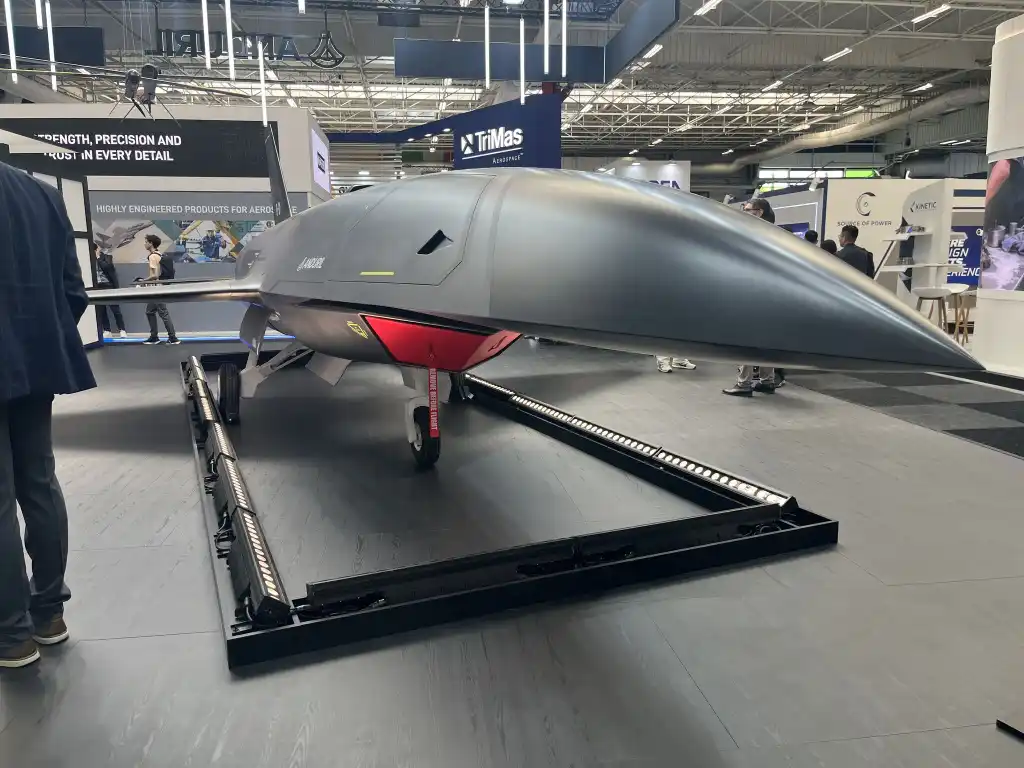
California-based Anduril Industries made its debut at the Paris Airshow, quickly turning heads with its ambitious entry into the air dominance race. Known for its unconventional, tech-first approach, Anduril showcased a 17-foot prototype of the Fury drone, the centerpiece of its CCA program offering. Slated for production by 2027, Fury is built not just as a weapon but as a software-driven intelligence platform with fighter-like performance.
Jason Levin, the firm’s Senior Vice President of Engineering, emphasized speed and agility in the development timeline. “We’re moving extremely fast,” he said. Though specifications remain classified, Levin made it clear that Fury could execute fighter-like missions, reinforcing Anduril’s reputation for merging military capability with Silicon Valley innovation.
The company has already secured a $38 million contract with the British government to deliver the Altius drone, a compact system that can serve roles ranging from electronic attack to acting as a decoy or even conducting cyber warfare. The Altius, launched from ground or air platforms, complements the broader suite of offerings aimed at scalable conflict zones like Ukraine.
General Atomics and the YFQ-42A: A Veteran’s Leap Into the Future
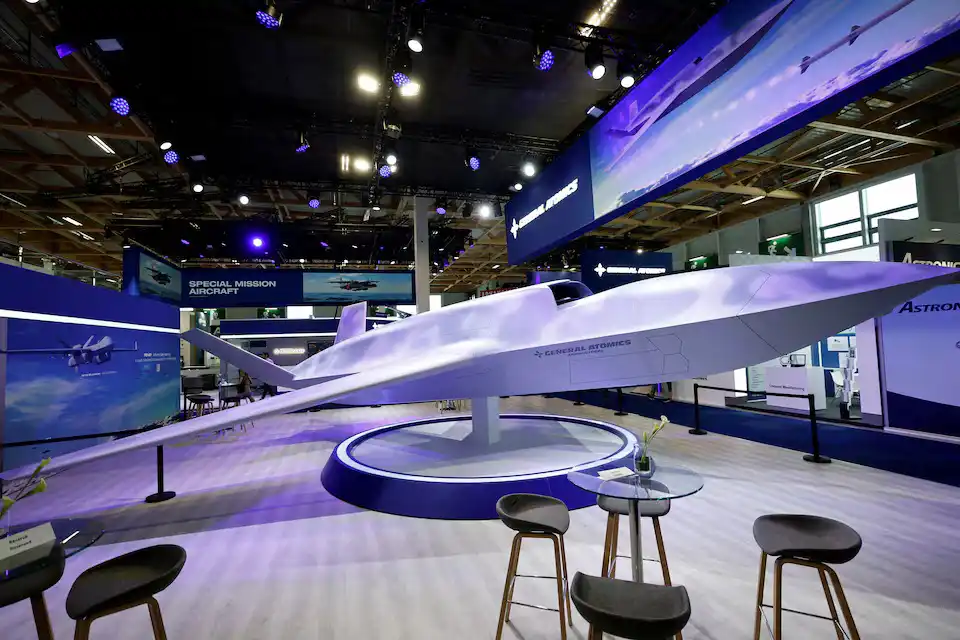
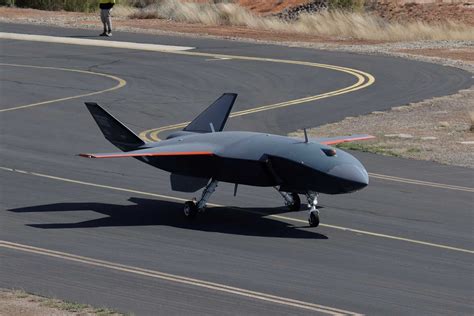
Established drone powerhouse General Atomics, known for its Predator and Reaper UAVs, presented its futuristic YFQ-42A model, built with the Pacific theater in mind. Designed as a counterpart to the Fury, the YFQ-42A is envisioned to operate in high-threat environments, particularly where stealth and endurance are essential. Its mission profile includes ISR (Intelligence, Surveillance, Reconnaissance), electronic jamming, and precision strike capabilities, all executed without direct human control.
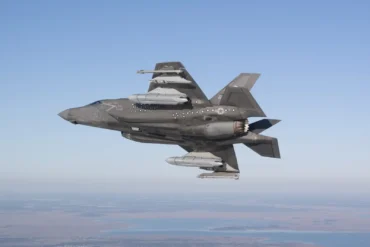
The YFQ-42A forms a key component of the U.S. Air Force’s CCA strategy to deploy around 1,000 drones capable of integrating with the F-35 and the future F-47 stealth fighter, which Boeing is developing after winning the contract earlier this year. These wingman drones will form dynamic strike formations, changing the paradigm of manned-unmanned teaming in real-time combat scenarios.
Boeing’s Ghost Bat Demonstration with Australia
Boeing added significant momentum to the wingman movement through a successful live demonstration with the Royal Australian Air Force. In a scenario simulating real-world conflict, two Ghost Bat drones flew alongside an E-7A Wedgetail surveillance aircraft. Human operators on the Wedgetail managed the drones to intercept and track an airborne target autonomously.
Pat Conroy, Australia’s Minister for Defence Industry, praised the outcome. “The Ghost Bat has the potential to turn a single fighter jet into a fighting team, with advanced sensors that are like hundreds of eyes in the sky,” he noted. This demonstration offers a glimpse into what future battles may look like: human-crewed aircraft overseeing intelligent, lethal, and flexible drone fleets.
Europe’s Bid for Autonomy: Saab, Dassault, Airbus, and Indra
The European defense ecosystem is not standing idle. At the Paris Airshow, Saab, Dassault Aviation, Airbus, and Indra Sistemas advanced their trilateral partnership under the Future Combat Air System (FCAS). The project is Europe’s most ambitious attempt to create a next-generation manned fighter jet—paired with an arsenal of autonomous wingman drones.
This European initiative is significant not just for its technology goals but also for its strategic autonomy from U.S. platforms. The FCAS will eventually replace older platforms like the Rafale and Eurofighter, offering a networked combat system where drones and jets communicate, coordinate, and engage targets with shared situational awareness and AI-assisted targeting.
Baykar and Leonardo: A New Axis in Drone Manufacturing
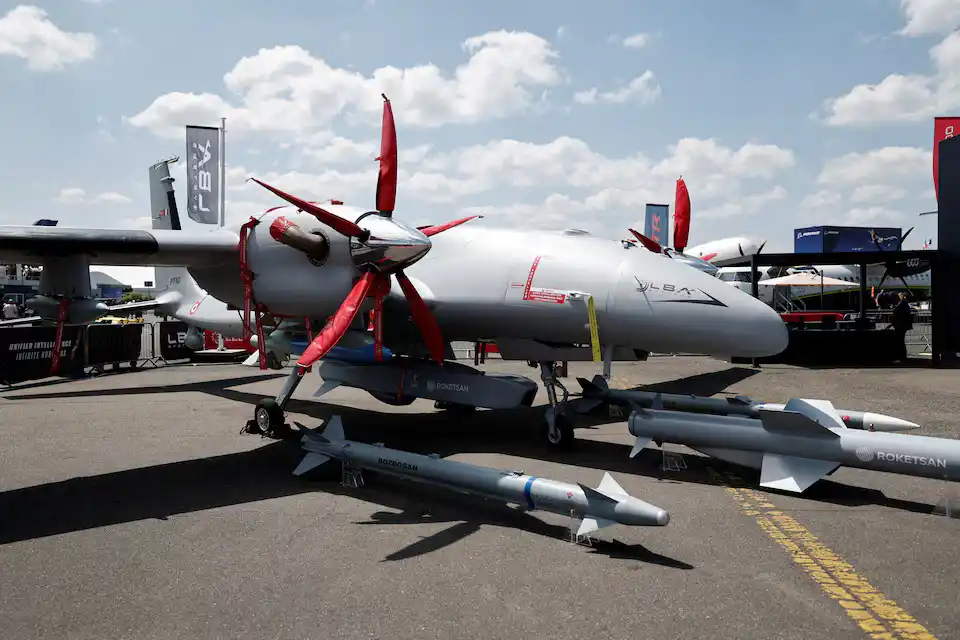
Turkish defense firm Baykar showcased two of its leading drones for the first time at the show—the Akinci, a high-altitude, heavy-lift UAV, and the TB3, a foldable-wing platform capable of taking off from short-runway aircraft carriers. Both models reflect Turkey’s growing ambitions in unmanned aviation, especially in contested maritime spaces such as the Eastern Mediterranean and the Red Sea.
What marked a new chapter was Baykar’s formalized joint venture with Leonardo, Italy’s defense conglomerate. Their partnership aims to develop advanced unmanned systems that fuse Baykar’s operational expertise with Leonardo’s European defense networks, potentially creating a powerful export product for NATO and beyond.
Rheinmetall and Anduril: European Market Collaboration
One of the more strategic moves came from Germany’s Rheinmetall, which announced a partnership with Anduril to adapt and manufacture the Fury and Barracuda drones for European militaries. The Barracuda, modeled like a cruise missile, expands the reach of autonomous weaponry to longer-range and pre-programmed strikes. Rheinmetall’s integration of these drones into European supply chains could streamline procurement while reducing dependency on U.S.-based manufacturing.
This partnership may also serve as a buffer against increasingly complex European export regulations, enabling modular versions of these drones that conform to individual country laws without losing operational punch.
The Pacific Theatre: A Testing Ground for Drone Integration
A common thread linking many of the drone developments at the Paris Airshow is the looming U.S.-China strategic rivalry in the Pacific. The potential for conflict over Taiwan or other flashpoints has led to simulations where wingman drones take on pivotal roles in both defense and deterrence strategies.
Unlike European scenarios focused on land-based aggression, Pacific scenarios require maritime launch flexibility, longer endurance, and higher survivability. Wingman drones like Fury and YFQ-42A are being designed with these requirements at the core, ensuring they can navigate contested airspaces filled with radar, jamming, and anti-air threats. Operating from aircraft carriers or long-range bombers, these drones could swarm ahead of manned units, draw fire, and suppress enemy air defenses with minimal human risk.
Conclusion: Autonomy Redefines Aerial Power
The 2025 Paris Airshow did more than just unveil prototypes—it crystallized a new chapter in aerial warfare where autonomous collaboration is no longer theoretical but an emerging doctrine. As defense contractors race to perfect their wingman drones, and nations adapt their procurement priorities, a new equation of air superiority is forming—one where algorithms, not just pilots, define victory.
Whether in Ukraine, the Pacific, or future unknown theaters of operation, these systems will not merely accompany fighter jets—they will transform them into intelligent, distributed combat networks, reshaping how wars are fought, and how peace is kept.