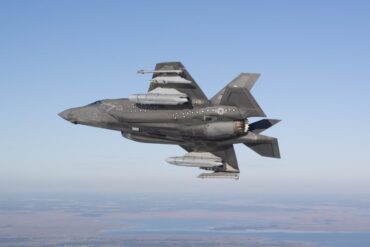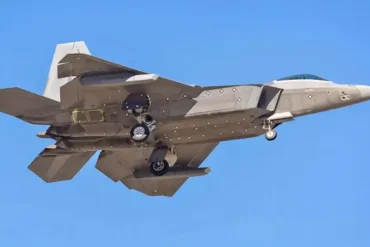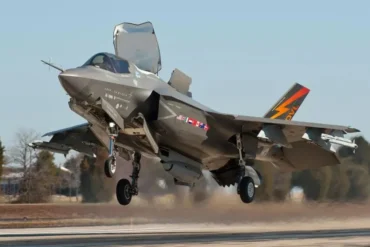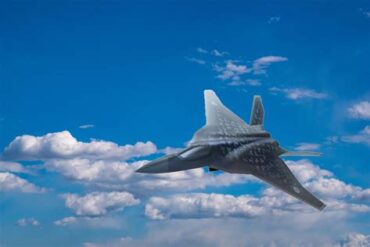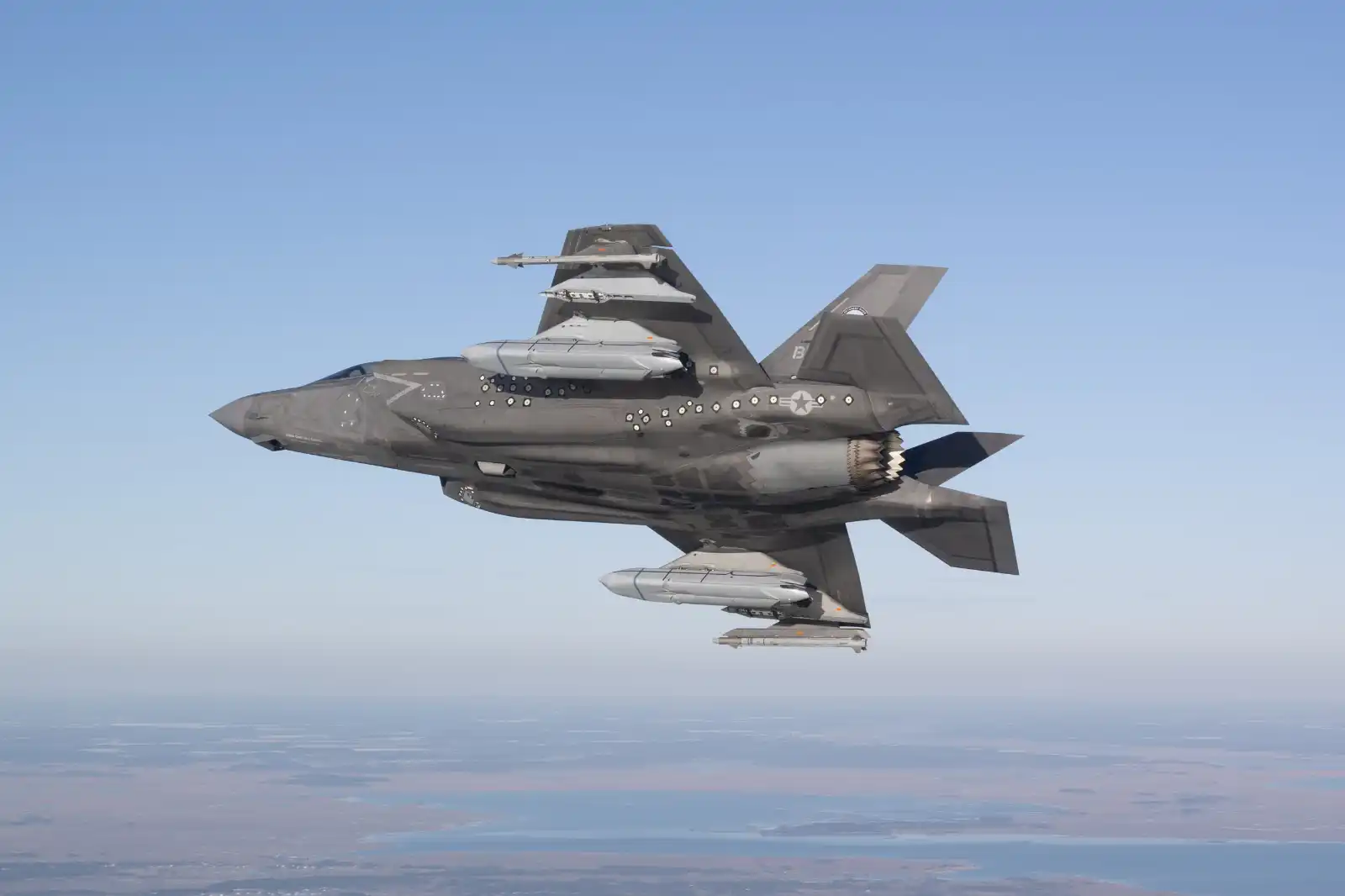
The F-35, a symbol of modern aerial combat, continues to evolve with the Block 5 upgrade, representing the next significant leap in its capabilities. This article provides a comprehensive, detailed analysis of the F-35 Block 5 upgrade program, its potential technological enhancements, and the strategic implications of its implementation. Designed to surpass the previous Block 4 configuration, Block 5 aims to position the F-35 as a leading force in future multidomain combat scenarios.
Technological Foundations of F-35 Block 5
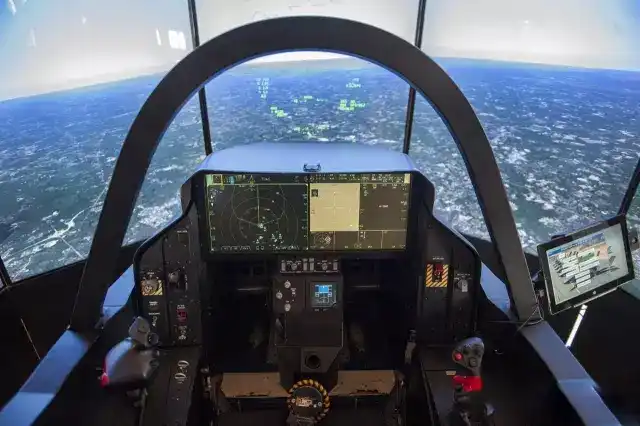
The F-35 Block 5 upgrade builds on the Block 4 TR-3 hardware architecture, a major milestone in the aircraft’s development. The TR-3 system dramatically enhances the F-35’s processing power, offering 25 times the computing capacity of the original system. This increased computational capability enables faster data processing, facilitating advanced sensor fusion, enhanced threat identification, and more effective tactical decision-making.
Block 5 upgrades focus primarily on three key areas:
- Sensor Fusion and AI-Powered Decision-Making
One of the hallmark features of Block 5 is its integration of artificial intelligence (AI) and machine learning into the decision-making process. With the new architecture, the F-35 can process vast amounts of data in real-time, allowing for improved target recognition, threat evaluation, and rapid tactical adjustments. This capability enhances the pilot’s situational awareness and reduces reaction time in high-stress combat scenarios. - Weapon System Expansion
The Block 5 upgrade introduces significant expansions in weapon compatibility. Among these, the integration of AIM-260 long-range air-to-air missiles and the potential inclusion of hypersonic weapons stands out. These advanced weapons will not only extend the F-35’s combat range but also improve its effectiveness against emerging threats. - Electronic Warfare and Survivability
The AN/ASQ-239 electronic warfare (EW) system, already a critical component in previous versions of the F-35, will receive a substantial upgrade in Block 5. New systems will improve the aircraft’s ability to defend against electronic threats, while exploring technologies like laser infrared countermeasures (such as the ThNDR system) will further enhance survivability.
Leveraging Existing Technologies for Block 5
In its pursuit of technological superiority, Lockheed Martin is evaluating the potential integration of technologies developed for the F-22 into the Block 5 upgrade. These include:
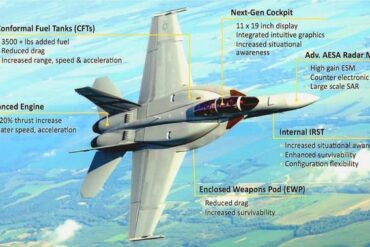
- Infrared Search and Track (IRST) Systems: These systems improve the F-35’s ability to detect stealth targets, even those that may attempt to evade conventional radar detection. By offering an alternative to traditional radar systems, IRST enhances the fighter’s stealth detection capabilities.
- Low-Drag Stealthy Fuel Tanks (LDTP): A breakthrough in fuel tank design, the LDTP allows for extended range while maintaining the aircraft’s stealth profile. This innovation is expected to improve the F-35’s effectiveness in long-range missions, reducing the need for refueling.
- Adaptive Cycle Engines: While the XA100 adaptive cycle engine was not included in the Block 4 upgrade, its technology is being explored for future propulsion system improvements in Block 5. These engines promise better fuel efficiency, extended range, and improved mission flexibility, all of which are critical for sustained air superiority in complex operational environments.
Synergy with Unmanned Systems
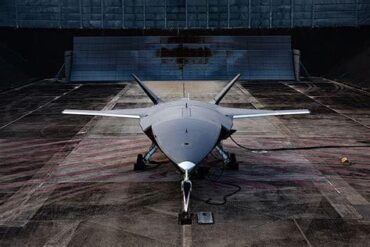
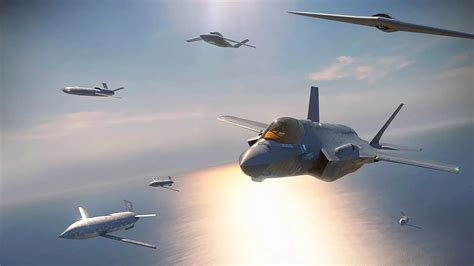
The F-35 Block 5 is poised to play a central role in integrated manned-unmanned operations. Its design includes advanced systems to control loyal wingman drones, such as the XQ-58A. In these scenarios, a single F-35 can coordinate with multiple unmanned aircraft, creating a swarm intelligence effect that maximizes the effectiveness of combat formations. This could lead to game-changing operational advantages in terms of flexibility, cost-effectiveness, and battlefield survivability.
Key capabilities of this system include:
- The ability for a single F-35 to control up to four drones.
- Enhanced battlefield awareness through real-time data sharing.
- Extended mission capabilities without compromising the survivability of manned platforms.
This synergy between manned and unmanned systems is particularly valuable in multidomain operations, where the F-35 will operate in concert with air, land, sea, space, and cyber elements to achieve dominance in contested environments.
Development Timeline and Strategic Challenges
While the F-35 Block 5 upgrade holds significant promise, its development timeline reflects the challenges inherent in such a complex, cutting-edge program. The upgrade will be implemented in phases, with some Block 5 features anticipated to be integrated into Block 4 upgrades by 2027. However, more advanced technologies, such as laser weapons, may not be fully realized until the 2030s.
Budget and Oversight Challenges
The U.S. Government Accountability Office (GAO) has recommended that Block 4 and Block 5 upgrades be managed as separate projects to improve cost control and project oversight. Given the massive scale of the F-35 program, maintaining strict budgetary discipline is critical to avoiding further cost overruns and delays. The GAO’s recommendations highlight the need for a more focused approach to ensure that the next generation of fighter aircraft meets its technological and strategic goals without becoming financially unsustainable.
Strategic Implications for Global Air Power
The F-35 Block 5 upgrade is designed to keep the aircraft competitive against emerging threats, particularly from adversaries like China and its J-20 fighter jet. As China’s military modernizes and develops advanced fifth-generation fighters, the F-35 must continually evolve to maintain its technological edge. The AN/APG-85 GaN radar and 4K resolution EOTS system in Block 4 were already specifically designed to counter the J-20’s capabilities. The Block 5 upgrade will likely feature even more advanced AI-driven threat response systems, giving the F-35 a formidable advantage in electronic warfare and countermeasures.
At the same time, China is working on upgraded versions of the J-20, such as the J-20B, to close the gap with Western technologies. The ongoing technological competition between the U.S. and China will shape the development of future fighter aircraft, with the F-35 Block 5 serving as a crucial component in ensuring American air superiority.
Conclusion
The F-35 Block 5 is not just an upgrade; it is a next-generation transformation of the world’s most advanced fighter jet. With its focus on multidomain operations, sensor fusion, AI-enhanced decision-making, and seamless integration with unmanned systems, Block 5 ensures that the F-35 remains a critical asset for air forces worldwide.
As it moves through its development stages, the F-35 Block 5 promises to set a new standard for flexibility, survivability, and combat effectiveness in an era of rapidly evolving threats. Its ability to adapt to new technologies and integrate them seamlessly into its combat operations will ensure that the F-35 continues to maintain air superiority well into the future.
FAQ
What are the key improvements in the F-35 Block 5 upgrade?
The F-35 Block 5 introduces a host of advanced technologies, including AI-driven decision-making, enhanced sensor fusion, expanded weapons compatibility, and improved electronic warfare systems. It also integrates unmanned systems for coordinated operations, significantly enhancing mission effectiveness.
How will the F-35 Block 5 compare to adversary aircraft like the J-20?
The F-35 Block 5 is specifically designed to counter emerging threats like China’s J-20 fighter by incorporating AI-driven threat response systems, more advanced radar technologies, and enhanced electronic warfare capabilities, maintaining the F-35’s edge in modern air combat.
When will the F-35 Block 5 be fully deployed?
The full deployment of F-35 Block 5 is expected to occur in stages, with some features expected to be integrated into Block 4 by 2027, while more advanced technologies, like laser weapons, will likely be introduced in the 2030s. The development process is ongoing, with careful attention to budget and technological feasibility.