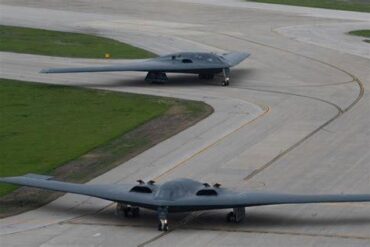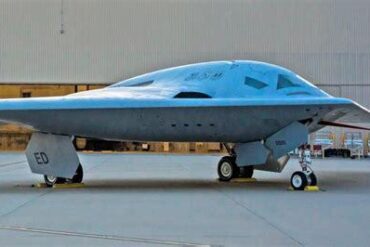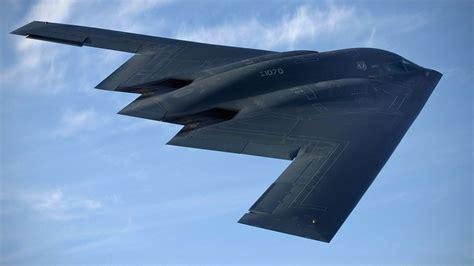
The B-2 Spirit, commonly known as the Stealth Bomber, represents one of the most iconic and advanced military aircraft ever constructed. A pinnacle of 20th-century aerospace engineering, it was created during a period when invisibility on the battlefield was becoming more valuable than speed or firepower. Its design, capabilities, and construction history form a narrative that is as secretive and strategic as the bomber itself.
Origins of the B-2: A New Era in Warfare
The development of the B-2 was rooted in the Cold War’s intense technological rivalry. As tensions between the United States and the Soviet Union escalated in the late 20th century, so did the urgency to develop a bomber capable of evading increasingly sophisticated radar systems.
Conceived under a cloak of classified programs and black budgets, the B-2 was intended to ensure strategic nuclear deterrence while being undetectable by conventional enemy radar. This ambition required a radical departure from traditional aircraft design.
Northrop Grumman: The Mastermind Behind the Stealth
While Boeing had held the spotlight with the B-52 and acquired Rockwell’s B-1 production line, it was Northrop Grumman who became the prime contractor responsible for building the B-2. The aerospace giant produced a total of 21 units, including a prototype testbed that first flew on July 17, 1989, and was later converted into a production-standard unit.
Northrop Grumman’s expertise in flying wing designs dates back nearly a century, to the experimental YB-35 and YB-49 programs. Though those early aircraft were propeller-driven and ultimately shelved, they laid the conceptual foundation for what would eventually become the B-2.
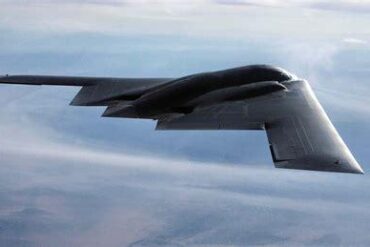
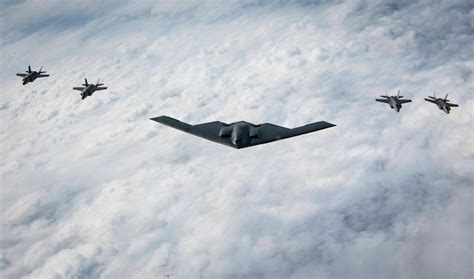
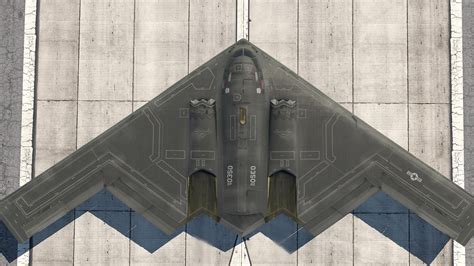
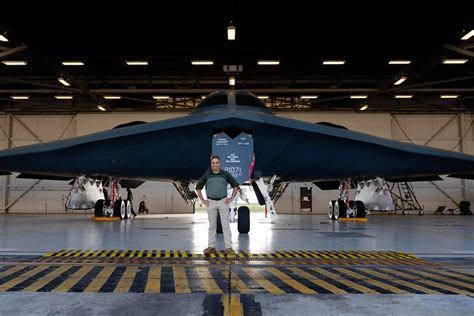
The B-2’s flying wing configuration eliminates the traditional fuselage and tail, creating an aircraft where the entire body functions as a single lift-generating surface. This layout significantly reduces radar cross-section, which is central to the B-2’s stealth capabilities.
Unveiling the Spirit: A Technological Marvel
The B-2 Spirit is not just an aircraft; it is a strategic system. Every inch of the bomber, from its radar-absorbent materials to its internal weapons bays, is designed to reduce detectability across the electromagnetic spectrum.
Its composite materials and anti-reflective coatings minimize radar signature, while its carefully designed engine inlets and exhausts lower both acoustic and infrared emissions. The engines are buried deep within the wing structure, which both improves aerodynamics and muffles heat signatures.
The Spirit is capable of delivering both conventional and nuclear ordnance, with a payload capacity of approximately 40,000 pounds. It is also intercontinental, with a range of over 6,000 nautical miles unrefueled, and unlimited range when assisted by aerial refueling.
The B-2’s Operational History and Upgrades
First entering service in the 1990s, the B-2 became a symbol of American airpower. Its first operational use was during Operation Allied Force in Kosovo in 1999. Since then, it has played critical roles in operations across Afghanistan, Iraq, Libya, and beyond.
As of 2025, there have been no publicly confirmed plans to produce additional B-2 bombers. However, the existing fleet continues to be a vital asset in the United States’ strategic forces.
In June 2025, six B-2s executed precision strikes against nuclear enrichment facilities in northern Iraq, including targets in Isfahan, Fordow, and Natanz. Following these missions, President Donald Trump remarked on the government’s intent to purchase upgraded B-2 bombers, but provided no concrete details, and no new production contracts were made public.
Despite the lack of new builds, the B-2 fleet remains in a state of active enhancement through the B-2 System Program Office (SPO). This unit, in collaboration with the Air Force Life Cycle Management Center at Wright-Patterson AFB in Ohio and Tinker AFB in Oklahoma, handles:
- Software upgrades
- New communication suites
- Radar cross-section modifications
- General systems modernization
These efforts ensure that the Spirit remains operationally viable until its successor, the B-21 Raider, takes the mantle.
From Spirit to Raider: The Future in Flight
The end of new B-2 production does not signify the end of stealth bomber development. On the contrary, the B-2’s DNA continues in its spiritual and technological heir: the B-21 Raider.
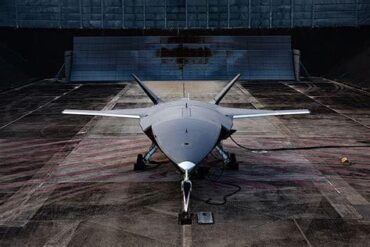
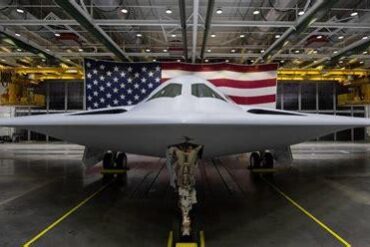
Also developed by Northrop Grumman, the B-21 was publicly unveiled in December 2022, signaling a new era of stealth, autonomy, and advanced warfare. The Raider maintains the flying wing design but incorporates advances in materials science, software, and modular architecture.
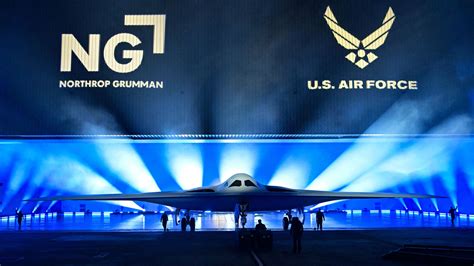
Current U.S. Air Force plans aim to acquire over 100 B-21s, which will eventually replace both the B-2 Spirit and the aging B-1 Lancer fleets. Designed for both crewed and uncrewed operations, the B-21 illustrates how modern warfare has evolved. It is expected to carry a variety of munitions, including:
- Nuclear weapons
- Precision-guided bombs
- Long-range standoff missiles
The Raider also reflects the necessity of network-centric warfare, being fully compatible with multi-domain command and control platforms and future AI-driven mission systems.
Strategic Impact and Legacy of the B-2
The B-2 Spirit’s impact extends far beyond its physical missions. As a symbol of deterrence, it has shaped military doctrine, geopolitical strategy, and even international defense posturing.
Its very existence forces adversaries to rethink air defense investments, since the B-2’s stealth capability renders traditional radar-based systems largely ineffective. As a result, countries like China and Russia have accelerated development of over-the-horizon radars, passive detection systems, and hypersonic interceptors — all in a bid to counter stealth technology.
From a budgetary standpoint, the B-2 was one of the most expensive aircraft ever built. Its unit cost exceeded $2 billion, making its development a controversial but strategic investment. Critics labeled it an overreach of military spending, but its supporters saw it as a necessary tool for 21st-century dominance.
Conclusion: A Testament to Innovation
The B-2 Stealth Bomber remains a monument to American aerospace ingenuity. From its radical flying wing design to its silent service in the world’s most volatile theaters, it continues to redefine what a modern strategic bomber can be.
Crafted by Northrop Grumman, sustained by decades of upgrades, and soon to be succeeded by the B-21 Raider, the B-2’s story is not just about building a plane — it is about shaping the future of air dominance.
Its influence resonates in every stealth aircraft that has followed. As technology continues to evolve, the Spirit’s legacy will remain an enduring chapter in the annals of military aviation history.