
In a resounding victory for Canadian aviation, Air Canada has emerged as the top-performing airline in North America for punctuality in 2025, achieving an impressive 77.15% on-time arrival rate. This accomplishment not only surpasses most of its U.S. competitors but also signals a remarkable transformation for Canada’s flagship carrier, which just a year ago languished near the bottom of the on-time rankings with a disappointing 63% score. This evolution is no coincidence—it reflects a deliberate and comprehensive overhaul of operational strategies, technological integration, and customer service improvements.
Air Canada’s Turnaround: From Delays to Dependability
Just a few years ago, Air Canada faced persistent criticism for chronic delays, frustrating both domestic and international travelers. However, in 2025, the airline has completely reshaped its image by transforming operations, investing in cutting-edge technology, and redesigning processes to ensure smoother and more reliable flights. The result is a major leap forward that has not gone unnoticed by both passengers and industry experts.
A key part of this turnaround involves streamlining flight schedules and refining operational workflows to handle the demands of over 600 daily flights across 50 Canadian and international airports. The airline’s ability to navigate a high-pressure environment was on full display during the summer of 2025, when it successfully scheduled over 100,000 seats to Europe and North Africa, demonstrating its capability to manage traffic surges while maintaining punctuality.
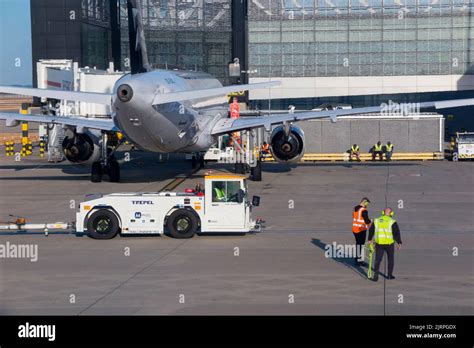
Technology at the Core of Efficiency
Air Canada’s success is also driven by artificial intelligence-based tools that predict potential delays and allow real-time adjustments to flight operations. This proactive approach minimizes disruptions by rerouting flights, modifying crew schedules, and optimizing ground operations. In addition, expanded codeshare partnerships—notably with ITA Airways—have enhanced route flexibility and improved turnaround efficiency at key international hubs.
Boarding times have also been reduced thanks to operational enhancements like larger overhead bins, which speed up luggage storage and cut boarding delays. Employee retraining programs have reinforced punctuality-focused work culture, aligning staff performance with the airline’s efficiency goals.

Industry Praise and Lingering Skepticism
While the airline’s achievements are widely lauded, some industry experts remain cautious. John Gradek, a former Air Canada employee and aviation specialist, has raised concerns that the airline may be artificially improving its numbers by canceling flights that are likely to arrive late—a tactic that would inflate punctuality figures. However, Kevin O’Connor, Senior Vice-President of Global Airports and Operations Control at Air Canada, dismissed these claims, stating, “We don’t try to manipulate and change the stats in a case like this one. We don’t gamify anything.” Instead, O’Connor attributed the success to strategic investments and an organizational commitment to operational excellence.
A Model for North American Airlines
The impact of Air Canada’s improvement extends beyond its own passenger base. By setting a new benchmark for punctuality in the region, the airline is influencing industry standards and pushing competitors to reevaluate their own operational strategies. This shift not only enhances the airline’s reputation but also contributes to a more reliable North American travel ecosystem, benefiting passengers across the board.
The improvement also boosts consumer confidence, which is especially significant in an era where travelers demand efficiency and reliability. Frequent flyers, in particular, are noticing the difference, with many citing reduced travel stress and improved overall satisfaction.
A Victory for Passengers
For passengers, the results are tangible. Shorter delays mean greater travel predictability, fewer missed connections, and a more comfortable flying experience. This commitment to customer satisfaction has also been reflected in enhanced in-flight services and the expansion of transatlantic travel options, particularly to European and North African destinations.
Additionally, Air Canada’s focus on data-driven decision-making and AI-enhanced customer service means passengers are enjoying not only improved punctuality but also a more personalized experience throughout their journey.
Looking Ahead: Sustaining the Momentum
Air Canada’s transformation into one of North America’s most reliable carriers is far from a one-time achievement. The airline is committed to sustaining this momentum, with plans to expand AI integration, invest in fleet modernization, and deepen partnerships that enhance network efficiency. By embracing innovation and aligning its goals with customer expectations, Air Canada is poised to remain a dominant player in the region.
Industry analysts anticipate that this strategic direction could elevate Air Canada’s global ranking, placing it among the top-performing airlines worldwide. This long-term vision signals that the airline is not just chasing short-term wins—it’s laying the foundation for sustained excellence.

Conclusion: A Defining Moment for Canadian Aviation
Air Canada’s rise to the top of North America’s on-time performance rankings represents more than just a statistical achievement—it is a defining moment in the airline’s history. By successfully combining technology, operational efficiency, and customer-centric strategies, the carrier has reshaped its identity and set a high bar for its competitors.
This transformation demonstrates that even long-standing operational challenges can be overcome with innovation, leadership, and accountability. As the airline continues to expand its network and refine its services, passengers can expect even greater reliability—and the broader aviation sector can take notes on how to deliver consistent excellence in a competitive marketplace.
In 2025, Air Canada is not just flying high; it is leading the way for an entire continent’s aviation industry.