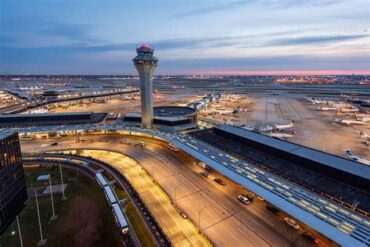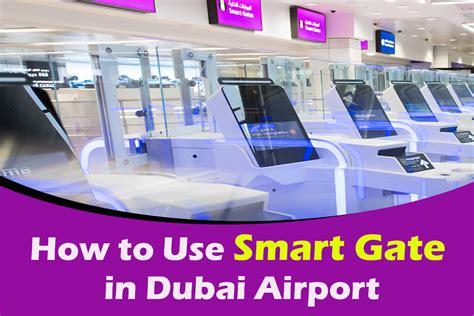
Dubai International Airport (DXB), one of the world’s busiest aviation hubs, has unveiled a transformative leap in air travel efficiency with the rollout of Smart Gates, just in time for the peak summer season of 2025. By integrating advanced biometric technologies such as facial recognition and contactless identity verification, DXB aims to redefine passenger processing while enhancing security, convenience, and speed for millions of travelers.
Biometric Breakthroughs at the Heart of DXB’s Transformation
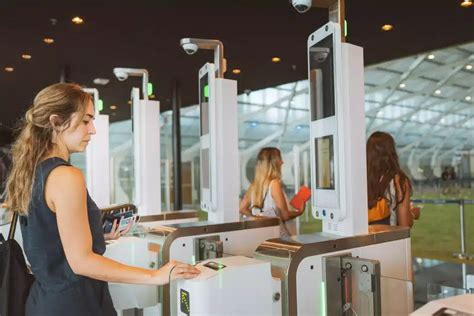
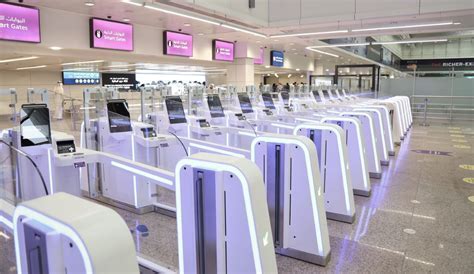
The newly implemented Smart Gates mark a pivotal advancement in DXB’s infrastructure, streamlining immigration procedures in a way that drastically reduces wait times. These biometric systems utilize facial recognition software linked to identity databases, allowing qualified passengers to pass through gates without traditional document checks. Unlike conventional e-gates, the Smart Gates eliminate the need to present boarding passes or passports once travelers are registered in the system.
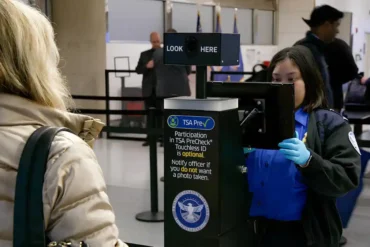
In practical terms, the process unfolds in seconds. A passenger steps up to the Smart Gate, a camera scans their face, and within a blink, the biometric system validates their identity using encrypted data. This contactless verification not only ensures a hygienic process but also aligns with global airport trends focused on speed and automation.
Who Can Use the Smart Gates? Eligibility Criteria Explained
Not all travelers can walk straight into the future just yet. The Smart Gates are currently accessible to:
- UAE Nationals
- GCC Residents
- International Travelers with biometric passports
- Passengers registered with the General Directorate of Residency and Foreigners Affairs (GDRFA)
To qualify, travelers must either possess a biometric passport or hold a visa that’s been registered and approved by UAE immigration authorities. Registration with the GDRFA is often automatic for frequent flyers or can be completed in advance through airport service desks.
Once eligibility is confirmed, users of Smart Gates gain a significant time advantage, particularly during high-traffic periods. DXB is also in talks to extend these gates’ functionality to more global passengers in future phases, increasing reach across visa-on-arrival and business traveler segments.
Peak Season Strategy: Preparing for 3.4 Million Travelers
The launch of the Smart Gates isn’t a coincidence. DXB is bracing for an intense wave of inbound and outbound travel, with 3.4 million passengers expected between June 27 and July 9, 2025. This includes cruise passengers, summer tourists, and long-haul business travelers arriving during school holidays and corporate Q3 planning cycles.
Among the expected surge, July 5 has been forecasted as the busiest travel day of the year. Without Smart Gates, immigration bottlenecks could grind operations to a halt. However, thanks to the implementation of biometric lanes, passengers will experience faster movement, reduced stress, and fewer missed connections.
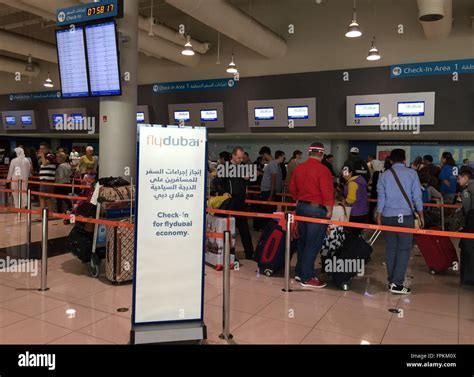
Engineering Speed: How Smart Gates Reshape Passenger Flow
Every minute saved at an immigration counter cascades into smoother downstream operations—from luggage retrieval to customs. Smart Gates achieve this through:
- Facial recognition cameras with sub-second authentication
- Live integration with government databases and airline systems
- Contactless sensors that reduce the need for physical interactions
- Multi-language guidance interfaces to assist travelers of all backgrounds
In pilot testing, eligible users cleared immigration in under 9 seconds per person, a drastic reduction compared to the 25–40 minutes many international travelers report during peak periods. The system is also designed to adapt to crowds dynamically, re-routing passengers to underutilized gates in real-time.
Security and Data Privacy: Balancing Innovation with Responsibility
With all biometric systems, privacy remains a central concern. DXB has implemented a GDPR-aligned and ISO-certified data protection policy, ensuring that biometric data is encrypted at point of capture and stored within secure government-approved databases. Personal data is not shared with airlines or third parties without express consent, and images are anonymized within milliseconds after verification.
The gates also conduct real-time screening against international watchlists, adding a layer of security beyond what manual immigration checks can achieve. These gates do not just offer speed—they offer smarter border control, effectively reinforcing national safety without slowing down global movement.
Smart Travel Tips for Passengers Flying via Dubai
To fully benefit from the Smart Gates, travelers are advised to make a few strategic preparations:
- Check Eligibility: Ensure your passport is biometric or that your visa is pre-approved via the GDRFA.
- Pre-Register if Needed: New travelers may need to register their biometric data at airport terminals or via UAE’s e-border platforms.
- Arrive Early: Despite faster processing, arriving early is still wise to account for baggage drop, security, or sudden changes.
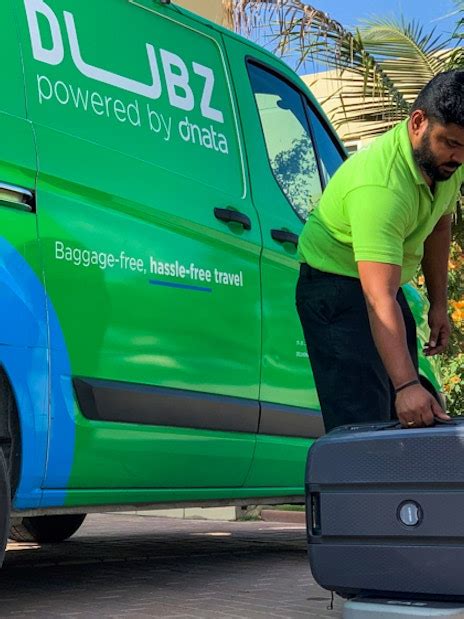
- Use DUBZ Services: This luggage service allows baggage pickup from your home or hotel, eliminating check-in hassles.
- Track Flights via App: Real-time airline apps offer alerts on boarding gates, gate changes, or Smart Gate availability.
A Vision for the Future: Dubai as the Global Benchmark for Smart Airports
Dubai’s aviation leadership has long pushed boundaries, but Smart Gates symbolize a quantum leap into the future of global mobility. The system isn’t merely about convenience—it’s a declaration that biometric identity is the next passport. As countries debate digital borders and frictionless travel, DXB has moved ahead with implementation rather than theory.
The airport has also revealed plans to expand Smart Gate zones to departure terminals, connecting flights, and even Dubai World Central (DWC) by 2026. Meanwhile, collaborations are underway with Emirates Airline and Flydubai to integrate Smart Gate clearances into boarding experiences, making DXB the world’s first fully biometric-to-boarding airport by the decade’s end.
Global Implications: Setting the Standard for Aviation Innovation
With this rollout, Dubai International is not only solving local congestion but redefining international aviation standards. Airports in Asia, Europe, and North America are closely watching DXB’s biometric success as they consider similar deployments. In particular, the use of contactless technology post-pandemic has accelerated global interest in automation.
Moreover, the city’s leadership views Smart Gates as part of a broader Dubai 2030 vision, where artificial intelligence, autonomous vehicles, and digital identities converge to shape the world’s most futuristic urban ecosystem. The airport, as a point of entry, becomes a vital symbol of what lies beyond: a smart, secure, and seamless Dubai.
Conclusion: The Age of Waiting in Line May Be Over
With Smart Gates now operational at Dubai International Airport, the dream of borderless, touchless travel has moved closer to reality. No longer must travelers endure tedious lines and repetitive documentation checks. Instead, DXB offers a fast, secure, and intelligent entry into one of the world’s most dynamic cities.
As more passengers experience this leap forward, the bar for airports worldwide has been irrevocably raised. For Dubai, it’s another milestone in its ascent as a technological and logistical powerhouse in global aviation. For travelers, it’s a welcome sign that the future of flying has already landed.