Airports expand all the time in the United States, but rarely does infrastructure growth align so perfectly with the ambitions of a single airline. In 2026, two major projects—one at Washington Dulles International Airport (IAD) and another at Houston George Bush Intercontinental Airport (IAH)—will introduce a combined 36 new gates. What makes this moment remarkable is not simply the scale of construction, but the strategic beneficiary behind it.
Those gates are effectively built around the operational future of United Airlines, a carrier that already dominates both airports and is now positioned to deepen that dominance as the facilities come online.
This alignment between airline strategy and airport infrastructure is unusual in the aviation world. Most airport expansions distribute new gates among multiple carriers, encouraging competition and diversification. In contrast, the projects unfolding at Dulles and Houston directly support United’s long-term hub growth, creating a rare scenario where a single airline gains a powerful boost in network capacity at two major hubs simultaneously.
The result is a significant competitive advantage in an industry where gate availability often determines how quickly airlines can expand routes, schedule connections, and absorb new aircraft deliveries.
Washington Dulles Expansion: Concourse E Reinvents United’s East Coast Hub
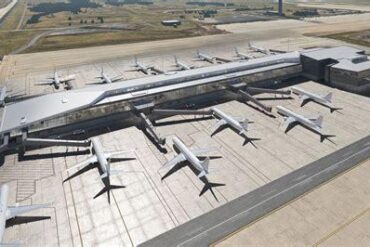
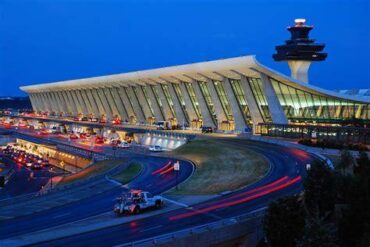
Washington Dulles is entering one of the most transformative phases in its history. As part of the massive $7 billion “Dulles Next” modernization program, the airport will unveil Concourse E in late 2026. This new facility adds 14 gates to the airport’s infrastructure and dramatically expands passenger capacity at a hub that has been operating close to its limits.
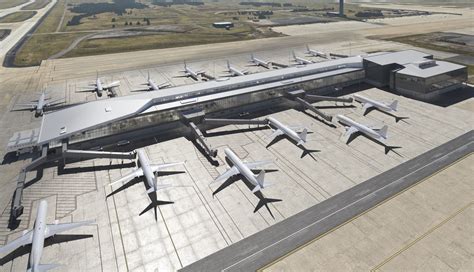
Spanning approximately 435,000 square feet, Concourse E is designed with United Airlines at its operational core. The airline already handles more than 70% of passenger traffic at Dulles, making the airport one of its most important gateways for both domestic and international routes. The new concourse therefore acts less like a shared airport addition and more like an extension of United’s own operational footprint.
The design integrates directly with the airport’s AeroTrain system, ensuring rapid passenger transfers between concourses and improving connectivity during peak travel periods. This detail may sound mundane, but in hub operations, minutes matter. Faster transfers allow airlines to schedule tighter connection windows, which in turn increases the number of viable itineraries passengers can book.
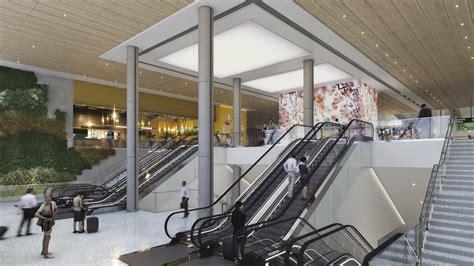
Beyond the operational mechanics, the concourse will significantly upgrade the passenger experience. Travelers will encounter modern gate areas, expanded seating zones, and more than 40,000 square feet of retail and dining space. A new United Club lounge—larger than previous lounges at the airport—will serve premium travelers and frequent flyers.
From a network perspective, the new gates are especially valuable because Dulles has become a rapidly growing international launch point for United. Over the past decade, the airline has expanded flights from the airport to destinations across Europe, Africa, and the Middle East, gradually transforming the hub into a major intercontinental gateway for the U.S. capital region.
With the additional gates, United can schedule larger connection banks, allowing dozens of arrivals to feed passengers into outbound long-haul departures within narrow time windows. This hub-and-spoke choreography is the hidden engine behind global airline networks.
Airport leadership has openly acknowledged the partnership driving this growth. According to Metropolitan Washington Airports Authority CEO Jack Potter, the expansion reflects a deep collaboration between the airport and its largest airline partner—one that supports regional economic development and thousands of jobs connected to aviation operations.
Houston Intercontinental: A 22-Gate Boost at United’s Largest Hub
If the Dulles expansion is transformative, the project unfolding in Houston is even more ambitious. At George Bush Intercontinental Airport, United Airlines is spearheading a sweeping $2.5 billion transformation of Terminal B, which will eventually include 22 new gates within the redeveloped North Concourse.
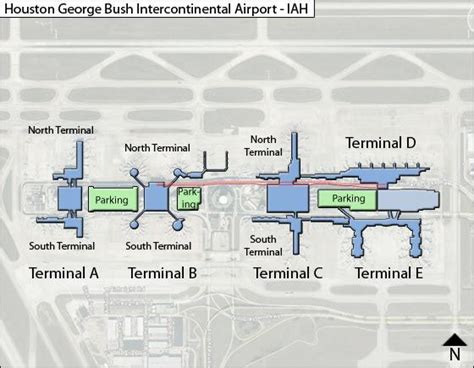
The new concourse will form part of a three-level structure spanning roughly 765,000 square feet, making it one of the largest single-terminal expansions in the United States in recent years. Designed with United’s operational model in mind, the project includes expanded check-in facilities, upgraded TSA security checkpoints, enhanced passenger circulation areas, and a modernized baggage processing system capable of handling millions of travelers annually.
One standout feature is the development of what will become the largest United Club lounge in the airline’s global network. Lounges have evolved into strategic tools for airlines, helping attract high-value travelers who prioritize comfort, workspace, and premium services before flights. In Houston—where United manages its largest hub by operational scale—this expanded lounge network reinforces the airline’s premium positioning.
Houston’s importance to United cannot be overstated. The airport serves as the airline’s primary gateway for flights to Latin America, while also supporting major routes to Europe and Asia. Its central geographic location makes it an efficient connecting hub for travelers moving between North America and international destinations.
The scale of the Terminal B expansion reflects that reality. Once complete, the upgraded terminal will be capable of handling more than 36 million passengers annually—a volume that rivals the entire traffic levels of many mid-sized U.S. airports.
For United, these gates translate directly into operational flexibility. More gates mean the airline can stage more aircraft simultaneously, run larger connection banks, and maintain better resilience during weather disruptions or schedule changes. In the complex ecosystem of hub operations, physical gate capacity is the quiet limiter that determines how far an airline can grow.
Why These 36 Gates Matter So Much for United Airlines
Infrastructure projects happen every year in the aviation industry, but the timing and scale of the Dulles and Houston expansions create an unusually strong advantage for United Airlines.
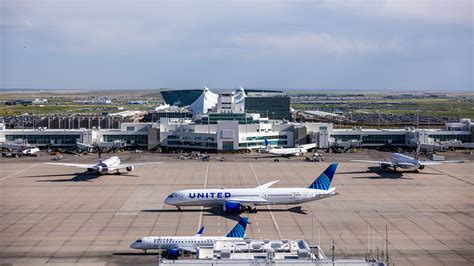
Elsewhere in the United States, airport construction is certainly underway—but few projects offer such concentrated benefits to a single airline’s hub strategy. At New York’s JFK Airport, for example, the new Terminal One will introduce 14 international gates, yet those facilities are designed primarily for foreign airlines rather than U.S. carriers. Meanwhile, Terminal 6 at JFK will open a handful of gates shared among JetBlue and international partners.
At Salt Lake City International Airport, an additional 11 gates will support Delta Air Lines’ hub operations, but the scale is smaller and arrives in phases rather than a single large boost. Another expansion at Hollywood Burbank Airport will deliver a new 14-gate terminal, yet the airport does not function as a major hub for any single airline.
Against this backdrop, United’s combined 36 new gates across two major hubs stand out dramatically. Both projects are not only large but also strategically aligned with the airline’s operational footprint. The gates are effectively built around United’s aircraft flows, scheduling patterns, and future growth plans.
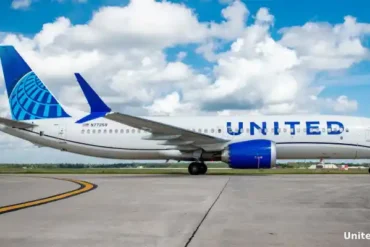
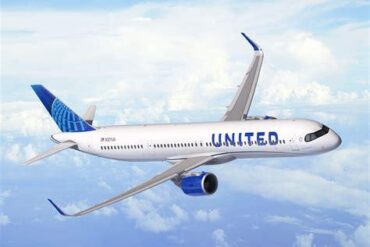
That alignment becomes even more powerful when paired with the airline’s aggressive fleet expansion. United is expected to take delivery of up to 130 new aircraft in 2026, adding to what is already the largest fleet among global airlines. Each new aircraft requires gate space, maintenance support, and coordinated departure slots at hub airports.
Without sufficient infrastructure, new aircraft can quickly become underutilized assets. By expanding gate capacity at exactly the moment its fleet is growing, United avoids that bottleneck entirely.
A Strategic Infrastructure Advantage in the Airline Industry
Airline competition is often framed around ticket prices, loyalty programs, and route networks. Yet beneath those visible layers lies a more fundamental constraint: airport infrastructure. Gates, taxiways, terminals, and runways determine how many flights can realistically operate from a hub.
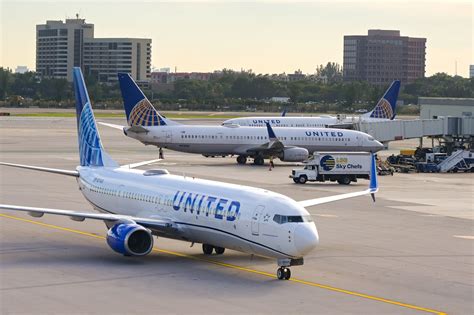
United Airlines’ simultaneous expansion at Washington Dulles and Houston Intercontinental gives the carrier something rare in aviation—timing. Infrastructure growth is arriving precisely when the airline’s fleet and international ambitions are accelerating.
At Dulles, the new concourse strengthens United’s role as the dominant airline serving the U.S. capital region and expands its ability to connect North America with Europe, Africa, and beyond. In Houston, the transformation of Terminal B reinforces the airport’s position as United’s most powerful hub for connections across the Americas and long-haul routes worldwide.
Taken together, these developments illustrate a broader truth about the aviation industry: airlines grow not only through aircraft orders and route announcements but through physical infrastructure that allows those ambitions to function in the real world.
In 2026, as 36 new gates open across two strategic hubs, United Airlines will quietly gain one of the most valuable resources in commercial aviation—room to grow. And in an industry where capacity constraints often dictate competitive outcomes, that additional room could shape the airline’s trajectory for the rest of the decade.