Malaysia Airlines Flight MH370’s disappearance in March 2014 stunned the world and remains one of aviation’s most confounding tragedies. Over a decade later, the renewed commitment by Malaysia’s government to resume the search—led by marine exploration firm Ocean Infinity—has reignited hope not just for closure, but for transformative progress in aviation safety. As the search resumes with refined data and advanced underwater technology, the implications of potentially finding MH370 go far beyond emotional resolution—they strike at the heart of how we track, monitor, and understand the fate of modern aircraft.
Advanced Technologies Are Narrowing the Hunt
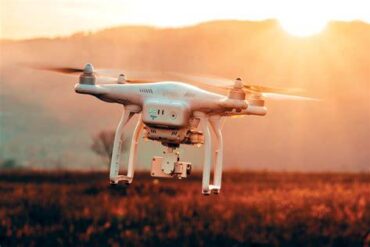
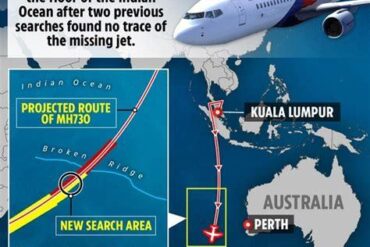
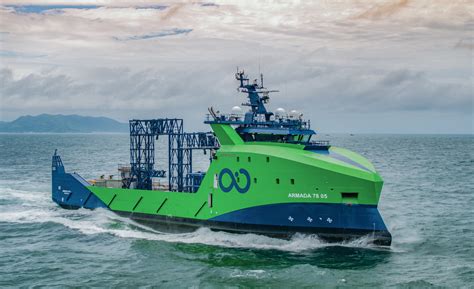
The new phase of the search is driven by updated satellite telemetry, drift pattern modeling, and breakthroughs in seabed mapping. Unlike the broader and less conclusive operations of the past, the current search concentrates on a high-probability zone in the southern Indian Ocean, identified through meticulous data refinement. Ocean Infinity will deploy cutting-edge autonomous underwater vehicles (AUVs) capable of capturing high-resolution imagery of the ocean floor with far greater precision.
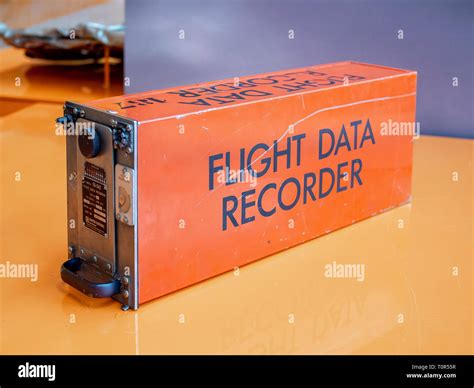
While the original search yielded only scattered debris, this effort is more focused, data-informed, and technologically robust. The use of machine learning algorithms to analyze seabed anomalies and more sensitive sonar arrays increases the chances of identifying wreckage fields. Should the wreckage be found, the flight data recorder (FDR) and cockpit voice recorder (CVR) would be the primary objectives. Despite over ten years underwater, experts believe valuable data could still be retrieved—data that could finally explain whether the tragedy resulted from technical malfunction, hijacking, or deliberate action.
The Regulatory Gaps That MH370 Exposed
MH370 exposed critical weaknesses in the global aviation system, especially regarding aircraft tracking and communication protocols. After losing radar contact, the aircraft’s transponder was switched off, and it deviated dramatically from its planned path. With no mandatory global real-time tracking in place at the time, investigators were forced to rely on sparse satellite “handshakes” to approximate its final location.
This absence of continuous tracking for commercial aircraft revealed an alarming blind spot: a modern widebody jet could vanish in an era of near-total connectivity. In the wake of MH370, the International Civil Aviation Organization (ICAO) introduced new mandates, requiring aircraft to report their position every 15 minutes. However, these rules fall short of real-time precision and do not universally mandate continuous satellite communication.
A Discovery Could Trigger Sweeping Aviation Overhauls
If the data recorders are recovered and analyzed, and the cause of the crash is definitively established, regulatory frameworks across the globe could change overnight. Aviation authorities would be compelled to assess whether current systems are adequate or if further measures are essential.
Key areas likely to undergo scrutiny include:
- Always-on satellite tracking for all commercial aircraft.
- Automated emergency data transmission when aircraft deviate from flight paths.
- Live streaming or deployable black boxes, which would eliminate the reliance on recovering physical recorders.
- Enhanced cockpit protocols and mental health evaluations, should human intervention prove to be a factor.
Beyond equipment upgrades, aviation training and oversight standards would also be impacted. Regulatory agencies such as the Federal Aviation Administration (FAA) and European Union Aviation Safety Agency (EASA) would likely re-evaluate pilot support systems, aircraft fail-safes, and airline accountability mechanisms. The ripple effect could touch every sector of aviation, from manufacturing and airline operations to insurance and risk management.
The Role of Private-Public Partnerships in Complex Recoveries
The ongoing search is being conducted under a “no find, no fee” model with Ocean Infinity, mitigating financial risk for Malaysia while incentivizing the contractor to deliver results. This model represents a modern evolution in government-private sector cooperation for complex technological undertakings.
The renewed mission reflects a larger trend: governments leveraging private-sector innovation and flexibility to address global-scale challenges. Ocean Infinity, equipped with a fleet of robotic exploration vessels, symbolizes how commercial technology is stepping in where traditional state resources have proven insufficient or cost-prohibitive.
Families: From Grief to Advocacy
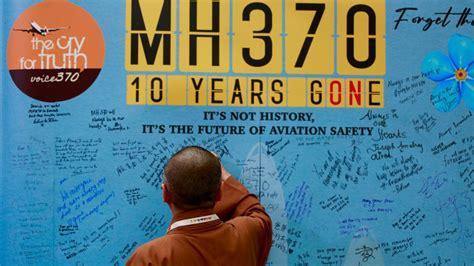
For the families of the 239 individuals aboard MH370, the renewed search offers both hope and anguish. Many have transformed their grief into advocacy, pushing for continued search efforts, greater transparency, and systemic changes in aviation safety.
Some relatives have financed independent analyses, organized international forums, and campaigned relentlessly for the case to remain a priority on global aviation agendas. Their efforts have kept public and political attention alive, reinforcing that this is not merely a personal tragedy, but a global safety issue.
Why MH370 Still Matters in 2026 and Beyond
The disappearance of MH370 is not just a haunting mystery; it is an active case study in systemic failure, technological limitations, and regulatory inertia. Regardless of whether the wreckage is ultimately found, MH370 has already reshaped how the aviation world thinks about long-haul flight, remote oceanic routes, and worst-case scenarios.
However, a confirmed discovery and cause would elevate the case from mystery to milestone. It would provide concrete lessons, remove ambiguity, and act as a catalyst for institutionalized change. If found, MH370 could become the single most influential accident investigation since the advent of jet travel, driving reforms that ensure no aircraft ever vanishes without a trace again.
In an age of space travel and real-time data, allowing a Boeing 777 to disappear remains a symbol of collective failure. But by embracing new technologies, fostering international collaboration, and honoring the persistence of affected families, the renewed MH370 search could help aviation finally turn a page—from mystery to meaning, from disappearance to discovery.