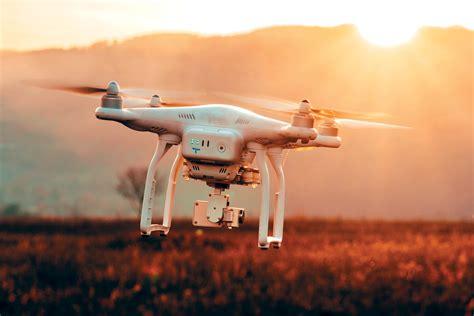
The quest for the best drone on the market is a journey fueled by the desire for breathtaking aerial perspectives, unparalleled filmmaking capabilities, and the sheer joy of flight. In an era where drone technology is advancing at a breakneck pace, identifying a single, undisputed champion can be a complex endeavor. The truth is, the “best” drone is often a subjective title, heavily influenced by individual needs, specific use cases, and, of course, budget. However, by meticulously examining the leading contenders, their technological prowess, and their suitability for various aerial artists and enthusiasts, we can navigate this dynamic landscape to pinpoint the aircraft that truly soar above the competition, offering that coveted blend of 4K video excellence, robust performance, and justifiable cost.
Discerning the ideal drone requires a deeper dive than simply comparing specification sheets. It’s about understanding the nuances that differentiate a good drone from a truly exceptional one. Are you a professional cinematographer seeking cinematic-grade footage with uncompromising image fidelity? Or perhaps a travel vlogger for whom portability and regulatory compliance are paramount? Maybe you’re an adrenaline-fueled FPV pilot craving immersive, high-speed acrobatics. Each of these scenarios points towards a different type of “best.” This guide is crafted to dissect the top-tier options available, providing you with the detailed insights necessary to make an informed decision and invest in a drone that will not just meet, but exceed your aerial ambitions.
When discussing the pinnacle of consumer and prosumer drone technology, one name consistently dominates the conversation: DJI. This manufacturing giant has, for years, set the benchmark for innovation, reliability, and user experience in the drone industry. Their extensive portfolio caters to a wide spectrum of users, from absolute beginners to seasoned Hollywood professionals. While alternatives exist, and some offer compelling features, DJI’s ecosystem, refined flight control systems, and consistently superior camera technology often place their models at the forefront of any “best drone” discussion. The key is to identify which of their offerings, or perhaps a strong competitor, aligns perfectly with your vision.
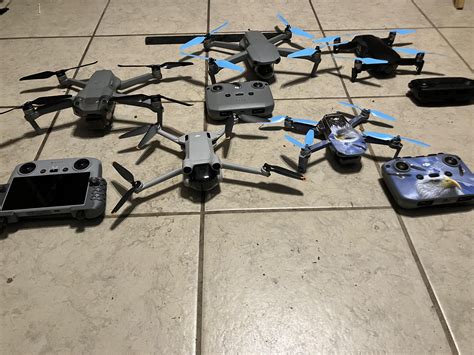
The Sovereign All-Rounder: DJI Air 3 – Mastering Balance and Versatility
For a vast majority of drone enthusiasts and content creators seeking a harmonious blend of high-end features, portability, and value, the DJI Air 3 emerges as a formidable contender for the title of best drone on the market. This model has been meticulously engineered to bridge the gap between the ultra-portable Mini series and the professional-grade Mavic series, offering a compelling package that rarely disappoints. The Air 3 distinguishes itself with a dual-camera system, a significant upgrade that vastly expands creative possibilities. It features a 1/1.3-inch CMOS wide-angle camera and a 1/1.3-inch CMOS 3x medium telephoto camera. Both cameras are capable of shooting stunning 4K/60fps HDR video and capturing 48MP RAW photos, ensuring vibrant, detail-rich imagery across diverse focal lengths. This dual-perspective capability allows for dynamic storytelling, from sweeping landscapes with the wide-angle lens to compressed, parallax-rich shots with the telephoto, all without compromising image quality.
Beyond its impressive imaging hardware, the Air 3 boasts exceptional flight performance. It offers an extended flight time of up to 46 minutes per battery, a significant improvement that allows for more exploration and less time spent on battery swaps. Its O4 HD video transmission system provides a robust and clear live feed up to 20km (FCC), giving pilots the confidence to explore further. Safety is also paramount, with the Air 3 incorporating an omnidirectional obstacle sensing system, a feature previously reserved for higher-end models. This comprehensive sensor array allows the drone to detect and avoid obstacles in all directions, significantly reducing the risk of accidental collisions, especially in complex environments. The DJI Air 3 is remarkably easy to fly, benefiting from DJI’s refined flight control algorithms and intelligent flight modes like FocusTrack, QuickShots, and MasterShots, which automate complex cinematic maneuvers. It’s an ideal choice for serious hobbyists, semi-professional videographers, and anyone who desires a future-proof drone that excels in nearly every department without demanding the premium price of a flagship model. Its balance of power, sophisticated features, and user-friendliness makes it a truly compelling package for achieving professional-looking 4K aerial footage.
The Cinematographer’s Dream: DJI Mavic 3 Pro – Uncompromising Image Supremacy
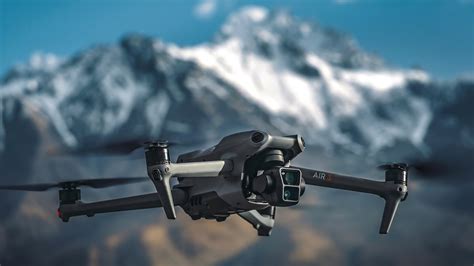
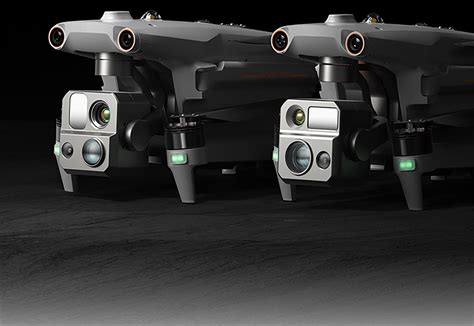
When the absolute pinnacle of image quality and professional filmmaking features is non-negotiable, the DJI Mavic 3 Pro ascends to a class of its own. This drone is not merely a flying camera; it’s a sophisticated aerial cinematography tool designed for professionals and discerning creators who demand the very best. The Mavic 3 Pro’s standout feature is its revolutionary triple-camera system, a feat of engineering that provides unparalleled versatility. Headlining this array is the renowned Hasselblad L2D-20c camera, boasting a large 4/3 CMOS sensor capable of capturing 20MP photos with an astonishing 12.8 stops of dynamic range and an adjustable f/2.8-f/11 aperture. This main camera records video up to 5.1K/50fps or DCI 4K/120fps, delivering footage with incredible detail, depth, and color accuracy, thanks to Hasselblad’s Natural Colour Solution (HNCS).
Complementing the main Hasselblad camera are two telephoto lenses: a 70mm medium telephoto with a 1/1.3-inch CMOS sensor (3x optical zoom) and a 166mm telephoto with a 1/2-inch CMOS sensor (7x optical zoom, 28x hybrid zoom). This triple-lens setup allows filmmakers to effortlessly switch between wide, medium, and tight perspectives, opening up a world of creative framing and storytelling possibilities previously unattainable with a single drone. The Mavic 3 Pro supports Apple ProRes codecs on all three cameras (Cine version), a critical feature for professional workflows requiring maximum image data for post-production. Flight performance is equally impressive, with up to 43 minutes of flight time and an advanced omnidirectional obstacle sensing system coupled with APAS 5.0 for smooth navigation even in cluttered environments. While its price point places it in a premium category, for professionals whose livelihood depends on delivering breathtaking 4K (and beyond) aerial cinematography, the DJI Mavic 3 Pro represents a sound investment, offering capabilities that can genuinely elevate production values and surpass client expectations. It is, without doubt, a strong contender for the best drone on the market for high-end video production.
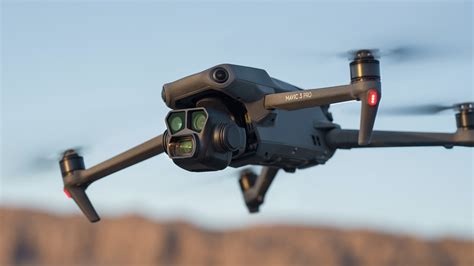
The Pocket Rocket: DJI Mini Series (Mini 3 Pro / Mini 4 Pro) – Mighty Performance, Minimalist Form
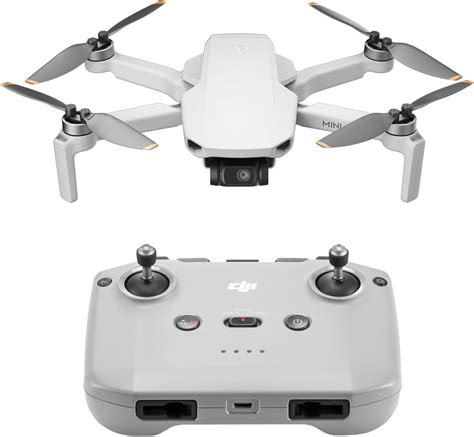
The DJI Mini series, particularly the Mini 3 Pro and the newer Mini 4 Pro, has revolutionized the concept of portable aerial imaging, proving that exceptional quality doesn’t always require a large footprint or a hefty price tag. The most significant advantage of these drones is their weight: under 250 grams. This sub-250g classification is a game-changer, as it exempts them from registration requirements in many countries and often allows for more lenient flight restrictions. This makes the Mini series the undisputed champion for travelers, vloggers, and anyone who values supreme portability and hassle-free operation. Despite their diminutive size, these drones pack a serious punch in the imaging department. Both the Mini 3 Pro and Mini 4 Pro feature a 1/1.3-inch CMOS sensor capable of capturing stunning 4K/60fps HDR video (Mini 4 Pro even offers 4K/100fps for slow-motion) and 48MP RAW photos. A standout feature, particularly for social media content creators, is the ability to rotate the camera gimbal 90 degrees for true vertical shooting, producing content perfectly formatted for platforms like Instagram Reels and TikTok without cropping.
The Mini 4 Pro takes the series a step further by incorporating omnidirectional obstacle sensing, a feature previously unseen in the Mini lineup, significantly enhancing flight safety and confidence, especially for newer pilots or when flying in complex environments. The Mini 3 Pro offers tri-directional sensing, which is still very capable. Flight times are impressive for their size, typically around 34 minutes with the standard battery, extendable with an Intelligent Flight Battery Plus (though this pushes the weight over 250g). They inherit many of DJI’s intelligent flight modes, making it easy to capture cinematic shots with minimal effort. For beginners looking for a high-quality entry into drone photography and videography, or for seasoned pilots needing a highly portable yet capable secondary drone, the DJI Mini 3 Pro and Mini 4 Pro offer an unbeatable combination of performance, cost-effectiveness, and convenience. They truly redefine what’s possible with a drone that can fit into a jacket pocket, making them a top pick for the best drone on the market for travel and everyday use.
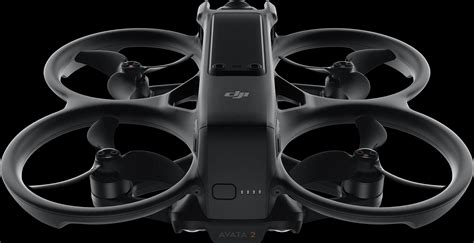
The Adrenaline Inducer: DJI Avata 2 – Immersive FPV Flight Redefined
For those who crave a more visceral, engaging, and utterly thrilling flying experience, the DJI Avata 2 stands out as the premier choice in the First-Person View (FPV) drone category. Unlike traditional drones focused on stable, cinematic shots, the Avata 2 is engineered for speed, agility, and an immersive onboard perspective. Paired with DJI Goggles 3 and the RC Motion 3 controller, pilots experience flight as if they were truly in the cockpit, navigating tight spaces and performing acrobatic maneuvers with intuitive head and hand movements. The Avata 2 features an upgraded 1/1.3-inch sensor capable of shooting wide-angle 4K/60fps HDR video, capturing dynamic, high-octane footage that conveys a true sense of speed and motion. Its enhanced propeller guards are integrated into the design, offering improved safety and durability, crucial for FPV flights that often involve proximity flying.
The Avata 2 boasts impressive performance metrics, including a top speed of up to 27 m/s in Manual mode (for experienced pilots) and simplified ACRO modes for executing flips, rolls, and drifts with greater ease. DJI has also focused on making FPV more accessible; the Normal and Sport modes, combined with features like Turtle Mode (to flip itself over if it lands upside down) and robust emergency brake and hover functions, provide a gentler learning curve for newcomers to FPV. While its primary purpose isn’t traditional cinematography, the unique perspective and exhilarating footage it captures are unmatched for action sports, dynamic property tours, or simply experiencing the pure joy of flight in a new dimension. For those specifically seeking the best FPV drone on the market that balances performance, safety, and user-friendliness, the DJI Avata 2 is a clear frontrunner, offering an unparalleled gateway into the world of immersive aerial adventures.
Exploring the Horizon: Are There Viable Alternatives to DJI?
While DJI’s dominance in the consumer and prosumer drone market is undeniable, it’s worth acknowledging that other manufacturers produce capable aircraft. Autel Robotics, with its EVO series (such as the EVO Lite+ or EVO II Pro), is often cited as DJI’s most significant competitor. Autel drones are known for their robust build quality, excellent camera systems (often featuring large sensors and high resolutions), and sometimes, a lack of geofencing restrictions that some pilots find appealing. For instance, the Autel EVO Lite+ offers a 1-inch CMOS sensor and 6K video capabilities, positioning it as a strong alternative to DJI’s Air series. Their drones typically provide competitive flight times and advanced obstacle avoidance systems.
However, DJI’s strengths lie in its incredibly refined ecosystem, user-friendly software (DJI Fly app), superior video transmission technology (like O4), and a wider array of intelligent flight modes that are often more polished and intuitive. The sheer volume of DJI users also means a larger community for support and a greater availability of third-party accessories. While Autel and other brands like Skydio (known for its autonomous flight capabilities) offer compelling products that might be the “best” for specific niche requirements or user preferences, DJI’s overall package of performance, features, reliability, and ease of use across its diverse product lines generally keeps it a step ahead for the majority of users seeking the best all-around drone on the market.
Deciphering Excellence: Key Features to Scrutinize When Choosing Your Drone
Selecting the ultimate drone involves a careful evaluation of several critical features. Understanding these aspects will empower you to choose an aircraft that perfectly aligns with your creative aspirations and practical needs, ensuring your investment truly delivers the best drone experience for you.
-
Camera Quality and Capabilities: This is paramount for most users. Look beyond just 4K resolution. Consider:
- Sensor Size: Larger sensors (e.g., 1-inch or 4/3 CMOS) generally capture more light, resulting in better low-light performance, higher dynamic range, and richer detail.
- Video Bitrate and Codecs: Higher bitrates (Mbps) mean more data and better image quality. Professional codecs like Apple ProRes offer maximum flexibility in post-production.
- Frame Rates: 60fps or 120fps in 4K allows for smooth slow-motion effects.
- Photo Capabilities: RAW format support is essential for professional photo editing. Megapixel count is a factor, but sensor quality is more critical.
- Gimbal Stabilization: A 3-axis mechanical gimbal is crucial for smooth, cinematic footage.
-
Flight Performance and Range: A drone’s ability to perform reliably in various conditions is key.
- Flight Time: Realistically, most drones offer 25-45 minutes. Consider the cost and availability of extra batteries.
- Wind Resistance: Higher-end drones can handle stronger winds, crucial for consistent shooting.
- Maximum Speed: Important for tracking fast subjects or for FPV flying.
- Transmission Range and Quality: A stable, clear video feed (e.g., DJI’s OcuSync/O4) is vital for confident flying, especially at longer distances.
-
Portability and Weight (The Sub-250g Factor):
- If travel and minimal regulatory hassle are priorities, a drone under 250 grams (like the DJI Mini series) is highly advantageous.
- Consider how easily the drone folds and fits into your existing gear.
-
Safety and Obstacle Avoidance Systems:
- Omnidirectional obstacle sensing (sensors on all sides) provides the highest level of protection against collisions.
- Advanced Pilot Assistance Systems (APAS) can help the drone autonomously navigate around obstacles.
- Reliable Return-to-Home (RTH) functionality is a must-have safety net.
-
Ease of Use and Software Interface:
- A user-friendly flight app (like DJI Fly) with an intuitive interface significantly improves the flying experience, especially for beginners.
- Ergonomics of the remote controller.
- Availability of intelligent flight modes (e.g., ActiveTrack, QuickShots) that automate complex shots.
-
Budget and Overall Value:
- Determine your budget and find the drone that offers the best combination of the above features within that price range.
- Consider “Fly More Combos,” which usually include extra batteries, a charging hub, and other useful accessories at a bundled price, often representing better value.
Navigating to Your Perfect Aerial Partner: Final Considerations
Ultimately, the best drone on the market is the one that seamlessly integrates into your workflow, meets your creative demands, and respects your budget. Before making a final decision, critically assess your primary use case. If you’re capturing family vacations and creating engaging social media content, the portability and vertical shooting of a DJI Mini 4 Pro might be your ideal match. For semi-professional content creators needing a versatile workhorse with excellent 4K video and a balance of features, the DJI Air 3 presents an almost unbeatable proposition. Professionals requiring uncompromised cinematic image quality will naturally gravitate towards the DJI Mavic 3 Pro. And for those seeking the sheer thrill of immersive flight, the DJI Avata 2 opens up a new world of aerial excitement.
Always remember to research and comply with local drone laws and regulations in your area and any location you plan to fly. Understanding airspace restrictions, registration requirements (if applicable), and no-fly zones is crucial for responsible and legal drone operation. Investing in a “Fly More Combo” is almost always recommended, as the extra batteries and accessories significantly enhance the overall flying experience and operational readiness. By carefully considering these factors and the detailed insights provided, you are now well-equipped to choose not just a good drone, but the best drone for your unique aerial journey.
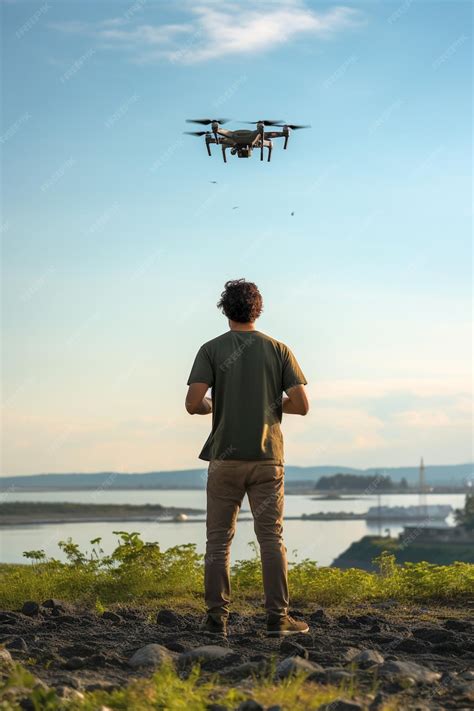
In conclusion, while the title of “best drone on the market” can be fluid, models like the DJI Air 3, Mavic 3 Pro, Mini 4 Pro, and Avata 2 represent the current zenith of drone technology across different categories. Each offers a compelling reason to be considered the best, depending on what you value most – be it balanced all-around performance, ultimate image quality, supreme portability, or immersive FPV thrills. Your perfect aerial partner awaits, ready to help you capture the world from breathtaking new heights and unlock unparalleled creative potential.