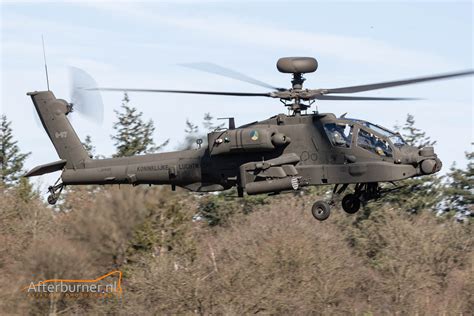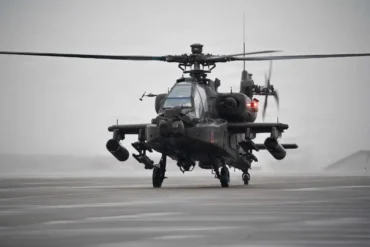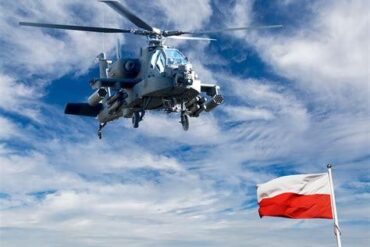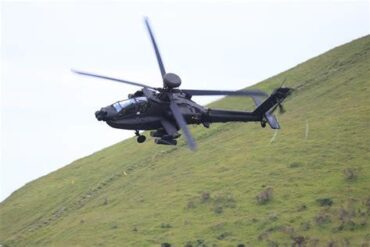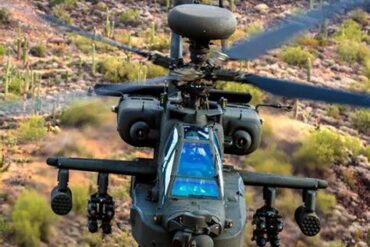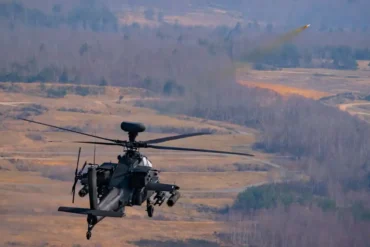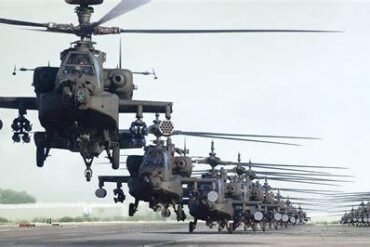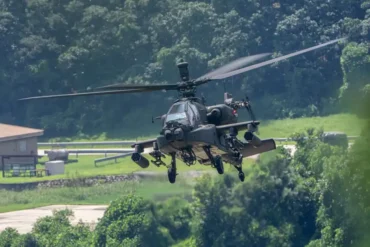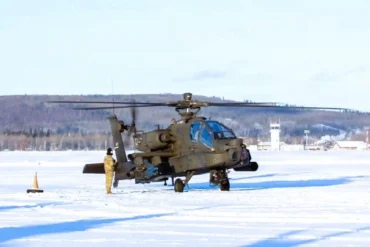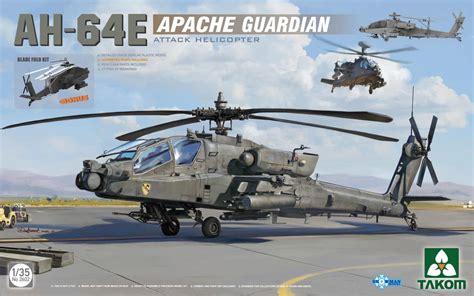
The AH-64E Apache Guardian is not just a continuation of the storied Apache legacy—it is its evolutionary apex. Engineered for multi-domain dominance and deeply integrated combat ecosystems, the AH-64E stands as a lethal amalgamation of cutting-edge avionics, unparalleled situational awareness, and unmatched operational flexibility. First introduced in 2012 as the AH-64D Block III, this advanced attack platform quickly evolved into a central asset of 21st-century air warfare.
Its core redesigns span from upgraded engines to deep digital integration with unmanned systems, transforming it into a force multiplier that transcends traditional helicopter roles. As global security dynamics shift, the Apache Guardian has emerged not just as a battlefield participant, but as a node of real-time command, control, and combat engagement.
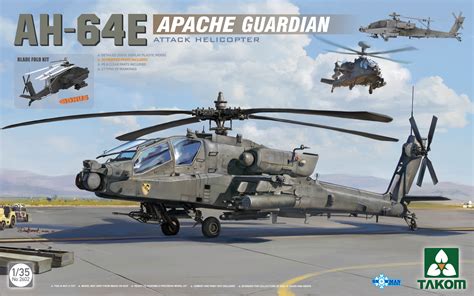
Revolution in Rotary-Wing Combat: Evolution and Key Technological Upgrades
When the AH-64E program began, the objective was not merely to refine but to revolutionize. The enhancements integrated into this platform reflect deep insight into battlefield needs and aerospace trends. The modernization is visible in nearly every subsystem:
At the sensory core lies the Modernized Target Acquisition and Designation Sight/Pilot Night Vision Sensor (M-TADS/PNVS). This next-gen targeting suite delivers high-resolution imagery day and night, critical for precision strikes in low-visibility environments. It augments the pilot’s spatial awareness, particularly in urban and mountainous terrain where visual limitations can be fatal.
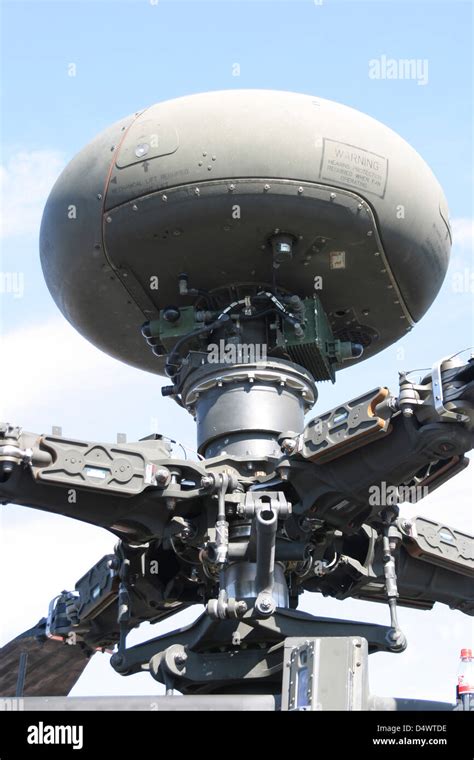
One of the most transformative inclusions is the Longbow AN/APG-78 Radar, Version 6. With an extended detection range of 16.5 km, it can track up to 128 targets simultaneously—prioritizing 16 high-threat entities. This capability empowers the AH-64E to perform deep reconnaissance and rapid strike missions before enemies even detect its presence.
The AH-64E also pioneers Manned-Unmanned Teaming (MUM-T), enabling pilots to control UAVs such as the MQ-1C Gray Eagle directly from the cockpit. This integration offers extended reconnaissance reach, diversified targeting capabilities, and layered battlefield oversight.
Powering this versatile frame are T700-GE-701D engines, each providing 2,000 shaft horsepower. These allow for high-altitude missions that were previously outside the operational envelope of earlier Apache variants. Combined with advanced infrared suppression systems, the AH-64E becomes not only powerful but survivable—minimizing heat signatures to deter shoulder-launched threats.
Combat Proven: Multi-Domain Operations and Tactical Flexibility
The AH-64E is designed to dominate the multi-domain battlespace, where success depends on speed, coordination, and digital synergy. The aircraft seamlessly integrates with ground forces, drones, and maritime assets, delivering layered firepower and ISR (intelligence, surveillance, reconnaissance) capabilities.
In maritime contexts, the Apache’s radar systems switch into a littoral engagement mode, making it effective in naval missions. It can operate from platforms such as the HMS Queen Elizabeth, opening new dimensions of attack helicopter deployment at sea. The capability to support amphibious operations without needing a land base changes the very logistics of air power projection.
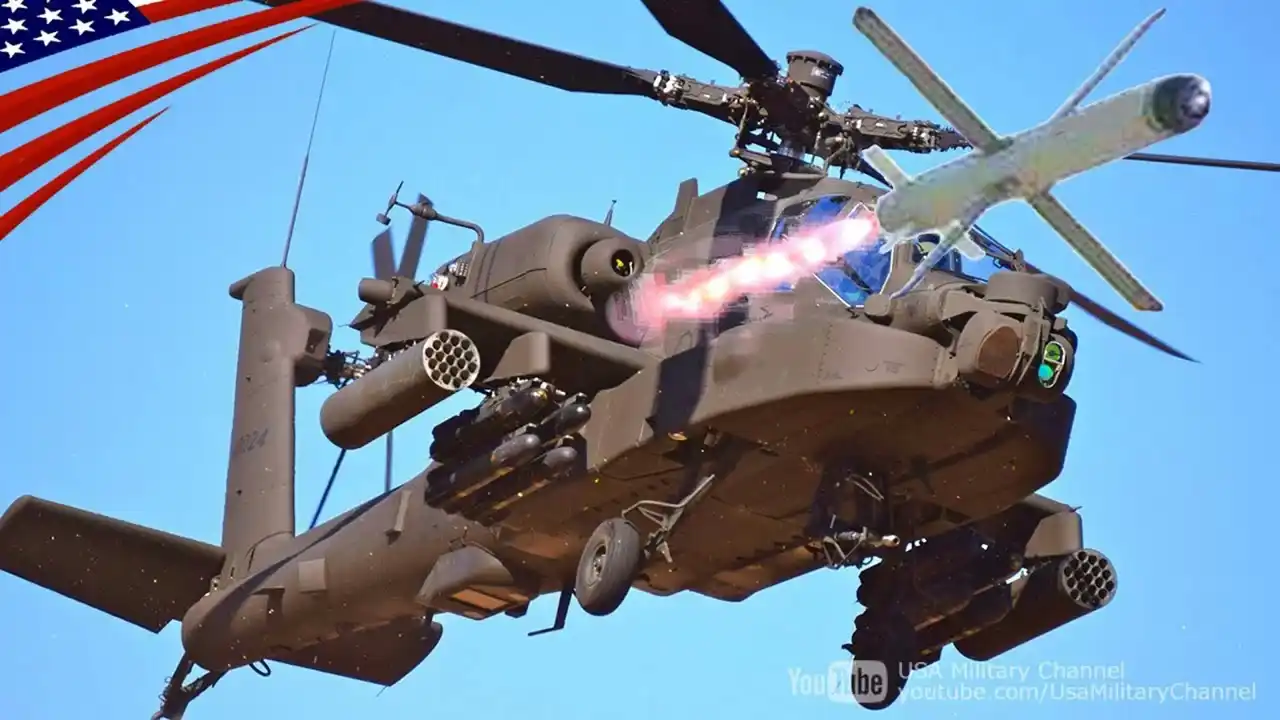
Its armament includes the versatile AGM-114 Hellfire missile, widely recognized for precision and lethality. The Apache Guardian also carries 70mm APKWS II guided rockets and a 30mm M230 chain gun, the latter allowing rapid area suppression or point-target engagement with surgical accuracy. Recent variants now feature the AGM-179 Joint Air-to-Ground Missile (JAGM), combining dual-mode seekers to strike both moving and stationary targets under heavy electronic countermeasures.
Strategic Footprint: Global Adoption and Defense Alliances
The international uptake of the AH-64E Apache Guardian is a testament to its strategic relevance. With over 17 nations integrating the aircraft into their arsenals, it has become a cornerstone of global security architecture.
In Morocco, the arrival of the first six Apache Guardians in 2025 marked a $4.25 billion leap in their defense posture. These aircraft provide air dominance over volatile Saharan and border regions where insurgent threats are increasingly mobile and asymmetric.
Poland’s acquisition of 96 AH-64Es—valued at approximately $10 billion—represents the largest Apache purchase outside the United States. This massive procurement is aimed at replacing outdated Mi-24 Hind helicopters and is a crucial component of NATO’s eastern flank reinforcement strategy.
Australia rejected the Airbus Tiger ARH in favor of the AH-64E, citing deficiencies in reliability and data integration. The Apache’s Link 16 capability, allowing seamless interoperability with U.S. and allied systems, proved a decisive factor.
In the United Kingdom, a fleet of 50 Apache AH1 helicopters, originally assembled under license, has been upgraded to AH-64E standard. These aircraft are specifically optimized for carrier-based operations and drone collaboration, aligning with the UK’s expeditionary force doctrine.
Resilience Through Design: Future-Proofing and Sustainment
A critical aspect of the AH-64E’s enduring relevance is its Modular Open Systems Architecture (MOSA). This design philosophy allows seamless upgrades and integration of emerging technologies, such as AI-powered target recognition and next-gen countermeasure suites. It ensures that the Apache can evolve in step with battlefield demands and digital warfare advancements.
Another foundational development is the Improved Turbine Engine Program (ITEP). This initiative will eventually replace the current engines with more efficient, 3,000-shaft-horsepower variants. The new engines are expected to extend range, reduce fuel consumption, and perform better in extreme environments like high deserts and alpine zones.
Beyond traditional anti-armor roles, the Apache Guardian is now deployed in urban warfare, anti-piracy operations, and even special forces missions. Its capability to fly low, hit hard, and escape fast makes it invaluable in counter-insurgency scenarios.
Operational Hurdles: Challenges and Tactical Limitations
Despite its formidable capabilities, the AH-64E is not without limitations. High-altitude environments, such as the Himalayan terrain, present significant recovery and maintenance challenges. In one notable incident, the Indian Air Force faced extreme difficulty recovering a crashed Apache at altitudes above 15,000 feet—a stark reminder that even the most advanced rotorcraft face limits in physics and geography.
The second major concern is cost. At approximately $42.5 million per unit, procurement requires deep fiscal commitment. Moreover, long-term operational costs—including spare parts, maintenance crews, and training pipelines—can strain defense budgets, especially in smaller economies.
Nonetheless, nations investing in the AH-64E generally view the expense as justified by its combat survivability, networked lethality, and extended service life.
Conclusion: The Future of Aerial Dominance
The AH-64E Apache Guardian is not merely a helicopter; it is a system of systems, designed to interface, adapt, and execute in some of the world’s most volatile regions. With technological foresight embedded into its very architecture, the Apache Guardian is set to remain operationally relevant through the 2060s.
Whether in the deserts of North Africa, the forests of Eastern Europe, or the littoral zones of the Indo-Pacific, the AH-64E continues to assert dominance. Its unmatched integration of firepower, data fusion, and survivability solidifies its place as a keystone of modern warfare—one that transforms air superiority from a concept into a reality.