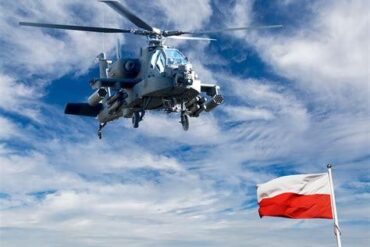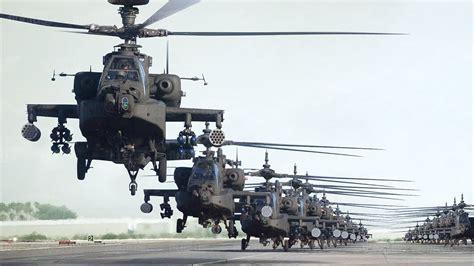
In the brutal theater of modern warfare, few machines inspire as much dread as the AH-64 Apache. While the Black Hawk is a household name thanks to pop culture and its crucial utility roles, it is the Apache that dominates the battlefield with unparalleled aggression, firepower, and battlefield intelligence. Since its induction into the U.S. Army in 1986, the Apache has consistently proven itself as the ultimate attack helicopter, feared by adversaries and revered by allies.
Originally developed as a replacement for the legendary AH-1 Cobra, the Apache’s combat pedigree is deeply rooted in a history of tactical evolution, technological supremacy, and operational success. Where the Cobra revolutionized helicopter warfare in Vietnam, the Apache pushed those boundaries, combining mobility, survivability, and lethality in a way no other helicopter had before.
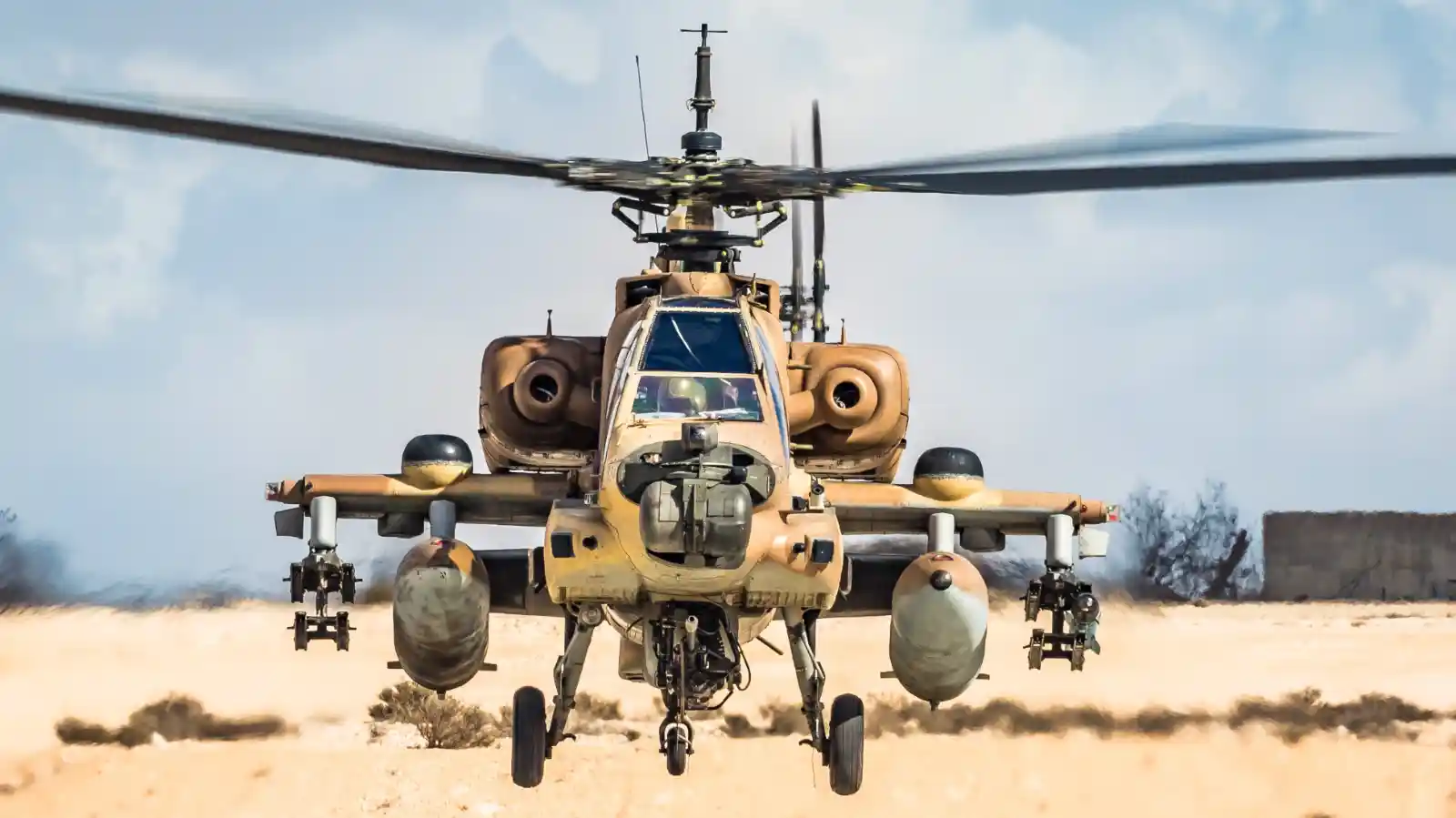
The Evolution Beyond the Cobra: From AAH Program to Battlefield Dominance
The AH-1 Cobra, a direct descendant of the UH-1 Huey, laid the foundation for helicopter gunship warfare with its slim profile, tandem seating, and deadly TOW missile system. However, by the early 1970s, its limitations—particularly in survivability, targeting precision, and multi-role adaptability—were becoming increasingly apparent.
To address these gaps, the U.S. Department of Defense initiated the Advanced Attack Helicopter (AAH) program. The goal: to create a next-generation helicopter with better speed, armor, payload, and range. After a highly competitive selection process between defense giants like Bell and Hughes, the YAH-64A prototype by Hughes won over the YAH-63A. The military was impressed by its robust design, reduced vulnerability, and combat-focused architecture.
By 1986, the AH-64 Apache officially entered U.S. Army service, signaling a new era of aerial warfare. Since then, the Apache has participated in nearly every major American military engagement—from Desert Storm to Operation Enduring Freedom—proving its worth across diverse terrains and threats.
Engineering Supremacy: A Flying Fortress With Precision Kill Power
At the heart of the Apache’s fearsome reputation is its potent combination of armor, armament, and avionics. The AH-64 is not merely a helicopter; it is a flying fortress equipped to detect, engage, and destroy threats with surgical precision.
- Primary Armament: A 30 mm M230 chain gun capable of firing 600–650 rounds per minute, linked to the pilot’s helmet for instantaneous aim.
- Missile Arsenal: Typically loaded with up to 16 AGM-114 Hellfire missiles, designed for devastating anti-armor operations.
- Rocket Pods: Carries up to 76 Hydra 70 2.75-inch rockets, offering flexible explosive power against light armor, infantry, or bunkered positions.
- Air-to-Air Capability: Equipped with AIM-92 Stinger missiles for defense against enemy aircraft—an uncommon but critical feature among helicopters.
The Apache also features composite rotor blades capable of withstanding hits from 23 mm anti-aircraft guns, a redundant dual-engine system for increased survivability, and a heavily armored crew cabin resistant to small arms and shrapnel.
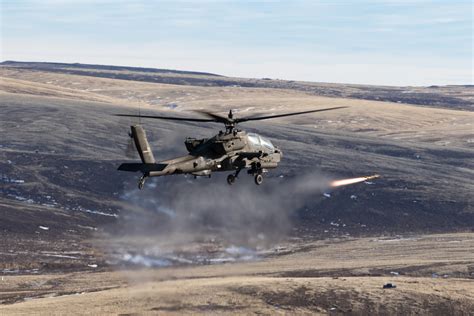
Unmatched Targeting: The Secret Behind Apache’s Combat Effectiveness
Beyond its impressive weapons, the Apache’s true battlefield advantage lies in its advanced targeting and sensory systems. The AH-64’s Target Acquisition and Designation System (TADS) and Pilot Night Vision System (PNVS) work together to provide 24/7, all-weather operational capability. These systems allow the Apache to acquire targets at long distances and engage them before the enemy even knows they’re being watched.
Using the Modernized TADS/PNVS (M-TADS/PNVS)—nicknamed the “Arrowhead” system—the Apache can detect, track, and laser-designate targets through smoke, fog, and night. Its real-time data fusion and thermal imaging turn the aircraft into a persistent overwatch platform. In combat zones, this means the Apache isn’t just a predator—it’s also the eyes of the entire task force.
Additionally, the Longbow radar system, mounted above the rotor mast in some variants like the AH-64D and AH-64E Guardian, enables the Apache to identify and prioritize up to 128 targets at once, striking up to 16 simultaneously. This battlefield awareness and autonomous threat engagement capability are what make the Apache terrifyingly efficient.
Proven in Combat: From Desert Storm to Global Operations
The Apache’s lethal efficiency has been demonstrated time and again in real-world combat. During Operation Desert Storm, Apache helicopters were instrumental in the opening salvos of the war, neutralizing key radar sites and command centers to pave the way for coalition air superiority. In Iraq and Afghanistan, Apaches provided close air support for ground troops in complex urban warfare and rugged mountainous terrain, often flying in harsh conditions where jets couldn’t safely operate.
One of the most iconic moments was the 2003 assault on Baghdad, where Apaches spearheaded deep attacks into Republican Guard territory. Despite encountering intense resistance, their agility and armor allowed them to punch through and deliver devastating strikes.
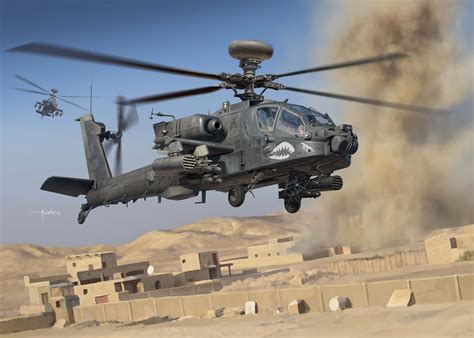
A Global Warrior: Exported Power Around the World
Over 2,400 AH-64 Apaches have been built, making it not only the most-feared but also one of the most widely used attack helicopters globally. Nations that rely on the Apache for their defense include:
- Israel: Known for utilizing the Apache in precision counter-terror operations.
- Japan and South Korea: Deployed along contested borders and in rapid-response drills.
- India: Used extensively in the Himalayan region for high-altitude combat readiness.
- United Kingdom: The British Army uses an upgraded version tailored for maritime and ground attack roles.
- Saudi Arabia, Egypt, UAE, and Qatar: Integral parts of Middle Eastern defense infrastructure.
- Australia, Netherlands, Indonesia, and Morocco: Key players in Pacific and North African stability efforts.
This global footprint speaks not only to the Apache’s versatility but also to its reliability and lethal reputation. Countries are willing to invest in this platform because of its proven combat effectiveness and longevity.
Not Just About Firepower: Survivability and Crew Safety
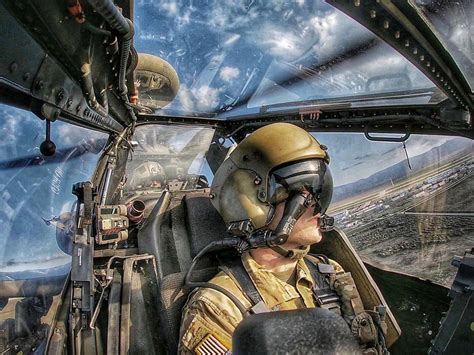
The AH-64 isn’t just designed to dish out destruction—it’s engineered to survive the deadliest of battlefields. With crashworthy landing gear, self-sealing fuel tanks, and redundant flight controls, the Apache protects its two-person crew (pilot and co-pilot/gunner) against a multitude of threats.
Each cockpit is armored with Kevlar and ceramic composite plating, while dual-redundant systems ensure that if one engine or control mechanism is hit, the helicopter can still return to base. It’s this unbreakable will to fly that earns the respect of troops on the ground and the fear of those facing it.
A Legacy That Continues: Future Upgrades and Modernization
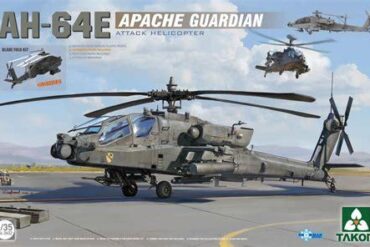
While the Apache has been in service for nearly four decades, it is far from obsolete. The AH-64E Apache Guardian, the latest variant, includes even more enhancements such as improved avionics, UAV control capabilities, stronger engines, and an upgraded Longbow radar.
In the future, the Apache will also serve as a bridge platform until the arrival of next-generation vertical lift systems under the U.S. Army’s Future Attack Reconnaissance Aircraft (FARA) initiative. Yet even as new aircraft emerge, few are expected to replicate the full-spectrum dominance that the Apache has achieved.
Its continued upgrades mean that the Apache isn’t being retired—it’s being reborn with every new iteration, ensuring its place as a battlefield apex predator for years to come.
Conclusion: The Reigning Monarch of the Skies
In the world of military helicopters, none inspire as much awe, fear, and respect as the AH-64 Apache. While the Black Hawk may capture the public imagination, it is the Apache that does the heavy lifting in lethal engagements. Its unmatched blend of firepower, armor, intelligence, and survivability secures its place as the most-feared military helicopter on Earth.
Whether tearing through desert skies or lurking low through forested combat zones, the Apache remains a symbol of dominance—a nightmare for its enemies and a guardian angel for troops on the ground. Its legacy is not just in the battles it has won but in the terrifying silence that follows its roar.