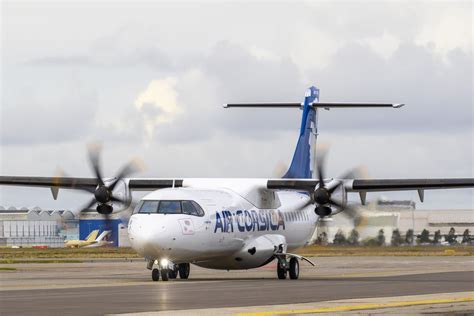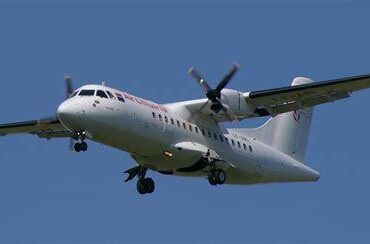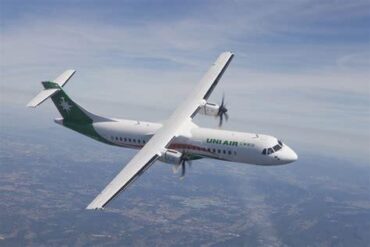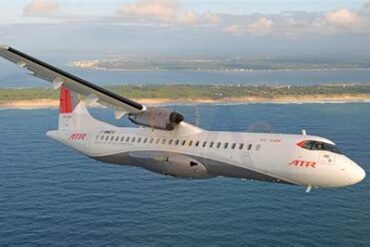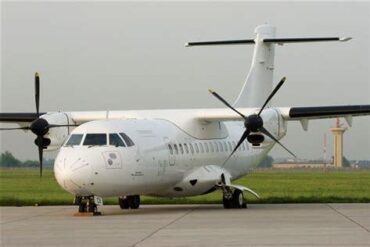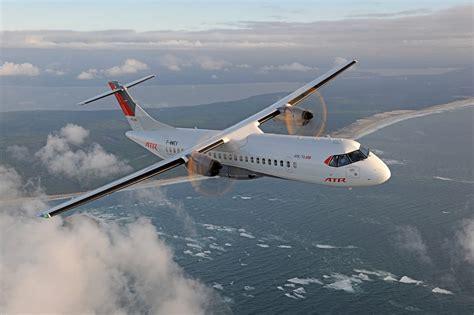
The ATR 72 is a remarkable aircraft that has become a mainstay of regional aviation worldwide. Developed by ATR, a Franco-Italian joint venture between Aérospatiale (now part of Airbus) and Aeritalia (now Leonardo), this turboprop-powered airliner has carved a unique niche in the short-haul sector since its commercial debut in 1989. Designed to carry up to 78 passengers, the ATR 72 continues to evolve through successive upgrades, firmly anchoring itself as an efficient, versatile, and highly reliable aircraft platform.
Genesis of the ATR 72: Strategic Expansion from the ATR 42
The ATR program began in 1981, emerging from a collaborative vision to dominate the regional aviation market. The initial ATR 42 served as the program’s foundation, but increasing demand for slightly larger aircraft led to the conception of the ATR 72, formally launched in January 1986. By stretching the ATR 42’s fuselage, developers created a model that retained much of the original’s core architecture while increasing seating capacity and performance.
On 27 October 1988, the first prototype of the ATR 72 took to the skies. Certification by DGAC France followed on 25 September 1989, and commercial service began with Finnair on the same day as the prototype’s maiden flight a year earlier.
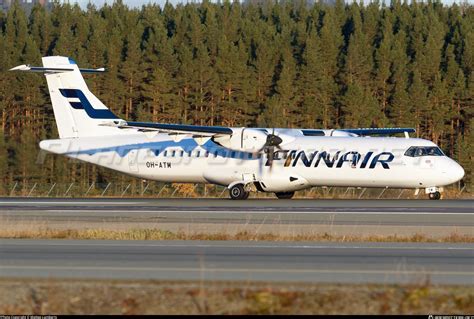
This design synergy between the ATR 42 and ATR 72 established a framework of high commonality, significantly reducing costs for airlines operating both models. This modular development philosophy would later become one of ATR’s defining strengths, enabling easy upgrades and variant diversification.
Design Features: Efficiency, Simplicity, and Performance
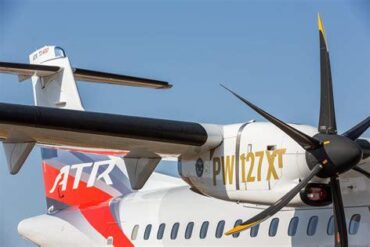
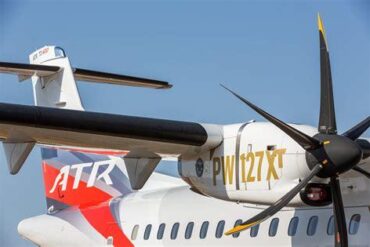
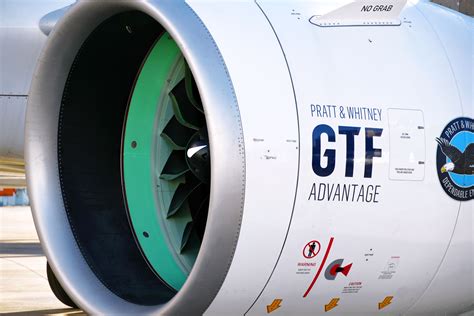
The ATR 72’s configuration reflects its intended operational purpose—short-range connectivity with high efficiency. Equipped with two Pratt & Whitney Canada PW100-series engines, the aircraft offers a cruise speed of approximately 515 km/h (320 mph) and a typical range of 1,400 kilometers (870 miles). Most ATR 72s use PW127M, PW127N, or the newer PW127XT engines, each contributing to improved fuel economy, noise reduction, and thrust performance.
A hallmark feature is its carbon-fiber composite wing structure, which contributes to weight savings of up to 30% compared to conventional materials. Another operational highlight is the use of “hotel mode”—a unique system where the right engine runs with a propeller brake engaged to provide onboard electrical power without propeller rotation, allowing efficient ground operations in remote airfields.
The ATR 72 also features a rear passenger door, facilitating front cargo loading for freighter versions and balancing center-of-gravity considerations. Optional auxiliary power units (APUs) in the cargo section enhance field autonomy, particularly useful for operations in underserved regions.
Evolution Through the Years: From -100 to -600 Series
The ATR 72 has seen progressive iterations since its inception. Initial models, the -100, -200, and -210, set the foundation with incremental enhancements. These were followed by the ATR 72-212A, also known as the ATR 72-500 for marketing purposes, which brought better engines and updated systems.
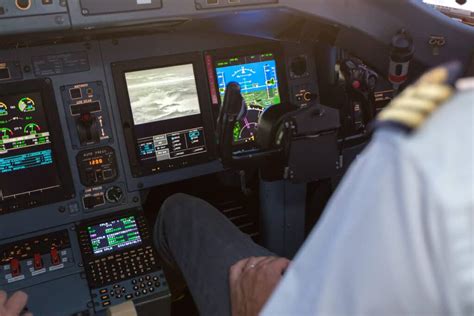
The most significant leap came with the introduction of the ATR 72-600 in 2007, featuring the PW127M engine and an advanced glass cockpit with five LCD displays. This upgrade not only improved pilot situational awareness but also reduced maintenance downtime due to its modular architecture.
In December 2015, high-density seating configurations were approved, enabling capacity increases to 78 passengers, maximizing route profitability for high-demand short sectors. The Clean Sky demonstrators of 2015–16 further experimented with aerodynamics and fuel-saving measures, laying the groundwork for future sustainability integrations.
Operational Versatility: Civilian, Cargo, and Military Roles
One of the most compelling aspects of the ATR 72 is its operational versatility. It commands a 48% market share in the 50–90 seat regional category as of 2013, a testament to its adaptability across a range of operators. Major carriers like Wings Air, IndiGo, Azul Linhas Aéreas, Air New Zealand, and FedEx Express are among the largest users of the type.
For cargo operations, ATR introduced factory-built variants like the ATR 72-600F, tailored with large cargo doors, reinforced floors, and space for ULDs or bulk cargo configurations. These freighters are now an integral part of FedEx’s regional supply chain strategy.
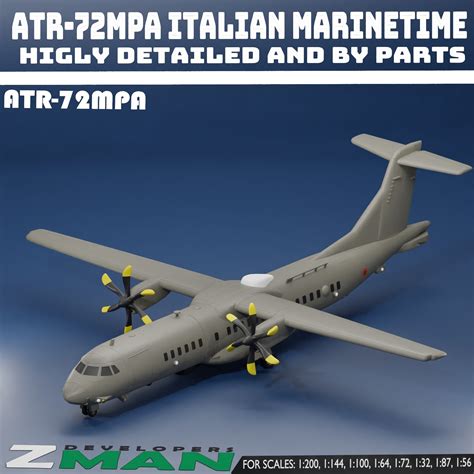
Military users have employed specialized variants including MP/ASW (Maritime Patrol/Anti-Submarine Warfare) and MAR (Maritime Surveillance) aircraft. Countries like Turkey, Italy, Malaysia, Pakistan, and the Philippines operate ATR 72s for coastal surveillance, utility transport, and even VIP executive transport under the HighLine branding.
Market Success and Industrial Backing
Backed by Airbus, which owns 50% of ATR, the ATR 72 benefits from synergies in component sourcing, manufacturing expertise, and global support infrastructure. Assembly takes place in Toulouse, France, leveraging the city’s long-standing aerospace pedigree. This industrial alignment has allowed ATR to sustain continuous production since 1988, a rarity in aviation.
By 2000, ATR aircraft had already completed 10 million flights, transporting 450 million passengers globally. The program hit a major milestone in 2007 with a record 113 orders. By the end of 2014, more than 1,000 aircraft had been ordered, with 754 delivered.
This consistent demand arises not just from cost-effectiveness, but from a proven dispatch reliability exceeding 99%, minimal airport infrastructure needs, and outstanding short-field performance. These attributes are especially attractive to emerging markets and island nations, where airstrips are often shorter and remote.
Variants Not Taken Forward: The Unbuilt Concepts
Despite its success, not all proposed ATR 72 derivatives reached fruition. Among the most notable were:
- Quick-change versions, designed to swap between cargo and passenger configurations rapidly.
- A proposed ATR 82, intended to seat around 100 passengers. Although technically feasible, the project was canceled in January 2018, citing market overlap and lack of clear demand differentiation.
These shelved concepts reflect a cautious but strategic approach—ATR has opted to consolidate and refine existing variants rather than overextend into marginal niches.
Safety Record: A Balanced Perspective
As of 2024, the ATR 72 has been involved in 66 incidents, including 40 hull losses, resulting in 532 fatalities. While this may seem high in raw numbers, it must be contextualized within over three decades of service and millions of flight cycles.
The first major incident occurred on 31 October 1994, when American Eagle Flight 4184 crashed due to in-flight icing, prompting extensive operational and design reviews. The most recent fatal crash, Voepass Flight 2283, happened on 9 August 2024, with 62 fatalities. While safety has improved significantly, operators must adhere to rigorous training and maintenance protocols, especially in icing-prone regions.
Conclusion: Enduring Relevance in a Changing Aviation Landscape
In a world that increasingly values sustainability, cost-efficiency, and regional connectivity, the ATR 72 remains an aircraft of exceptional relevance. Its simple, rugged, and fuel-efficient design continues to meet the demands of airlines, governments, and freight carriers alike. With ongoing refinements—such as the PW127XT engine upgrades—and digital cockpit innovations, the aircraft shows no signs of losing momentum.
As global air traffic increasingly decentralizes toward regional hubs and underserved airfields, the ATR 72 stands ready to bridge those gaps with unparalleled versatility.