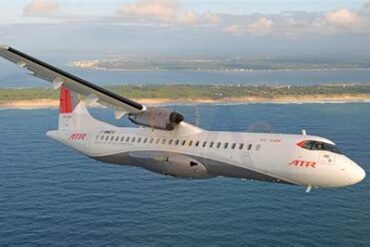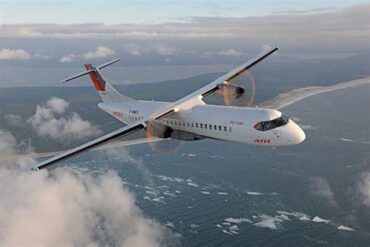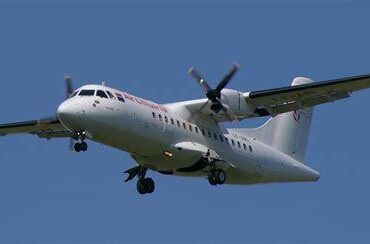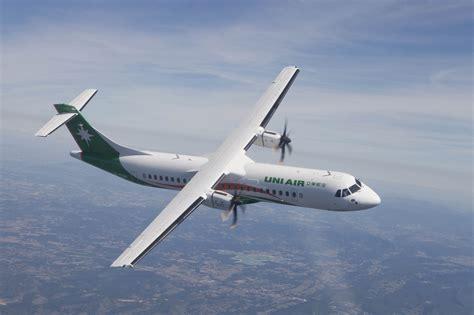
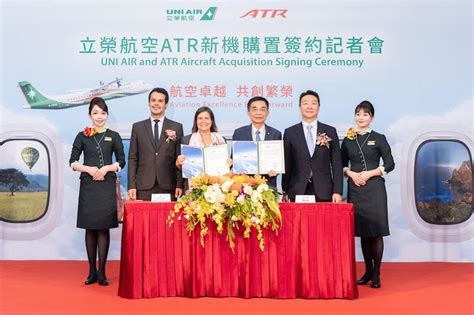
UNI Air, a subsidiary of EVA Air and a prominent regional carrier in Taiwan, has signed a firm order for 19 ATR 72-600 aircraft, marking the largest ATR turboprop order since 2017. The deal includes three additional purchase rights and is expected to significantly enhance UNI Air’s operational capacity and network coverage. Deliveries of the new aircraft are scheduled to take place between 2027 and 2032, a timeframe that underscores the airline’s long-term commitment to fleet modernization and sustainable growth in the Asia-Pacific region.
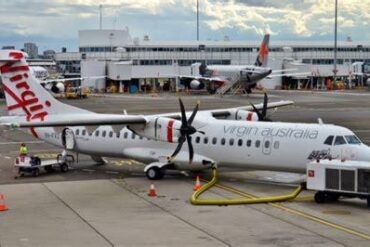
This strategic move not only signals UNI Air’s continued trust in ATR aircraft, but also represents its second direct order since 2011, when it initially acquired 10 ATR 72-600s. UNI Air currently operates 14 ATR 72-600s, and this new order will both replace aging airframes and expand the carrier’s capabilities.
Modernizing the Fleet with ATR 72-600 Turboprops
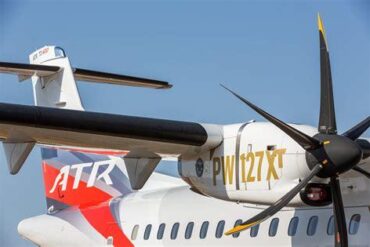
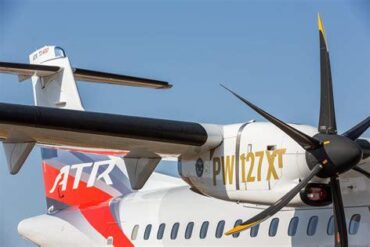
The ATR 72-600 is a cornerstone of regional air travel due to its fuel efficiency, short takeoff and landing capabilities, and low environmental impact. Equipped with the latest-generation PW127XT engines, the aircraft offers improved fuel burn performance and reduced maintenance costs compared to its predecessors. For UNI Air, this translates to greater operational efficiency and lower emissions, aligning with Taiwan’s broader environmental goals and the airline’s own sustainability objectives.
UNI Air’s fleet renewal comes at a critical juncture, as airlines globally grapple with shifting passenger expectations, rising fuel prices, and the imperative for greener aviation solutions. By choosing ATR again, UNI Air reaffirms its belief in the resilience and adaptability of turboprop aircraft, particularly for short-haul island and intercity routes, where jets would be economically and environmentally impractical.
Strategic Role of UNI Air in Taiwan’s Domestic Air Network
Founded in 1988, UNI Air has evolved into Taiwan’s leading domestic airline, operating the most frequent and densest flight schedule across the island. Its hub at Taipei Songshan Airport serves as a lifeline for communities across Taiwan’s mainland and outer islands. The airline connects 11 domestic destinations, including Kinmen, Penghu, Matsu, Hualien, Taitung, Taichung, Chiayi, Tainan, and Kaohsiung, providing essential transport links for residents, businesses, and tourists alike.
The ATR 72-600’s performance is particularly well-suited to Taiwan’s geographical and infrastructural characteristics. Many of the island routes, such as those to Kinmen and Penghu, require aircraft that can operate on short runways and offer frequent, reliable service with low operating costs. These routes also often face variable weather conditions, making ATR’s superior handling and technology a valuable asset in maintaining service regularity.
Enhanced Regional Mobility and Strategic Connectivity
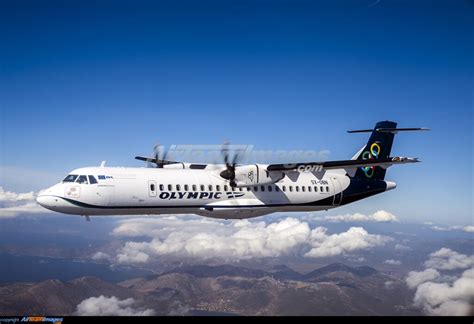
Beyond domestic operations, UNI Air contributes to a broader regional transportation ecosystem through feeder routes into EVA Air’s international network. This strengthens the airline’s role not only as a standalone carrier but also as a vital connector that integrates Taiwan’s regional airspace with the global aviation system. The wet-lease collaboration with EVA Air further ensures that UNI Air aircraft operate on high-traffic routes within Asia and Mainland China, complementing EVA’s international services.
This latest fleet expansion will enable UNI Air to increase route frequencies, introduce new destinations, and improve scheduling reliability, especially during peak travel seasons and holiday periods. With Taiwan’s growing tourism sector and the continued development of secondary cities, the demand for dependable regional air service is set to rise. The new ATRs will be instrumental in capturing that demand, ensuring that underserved routes are no longer constrained by capacity limitations.
ATR’s Resurgence in Regional Aviation
For ATR, the UNI Air contract represents a notable commercial milestone. It not only underscores the resurgence in demand for regional aircraft post-pandemic but also validates ATR’s strategy of providing fuel-efficient, low-emission solutions tailored for emerging and mature regional markets alike.
Asia-Pacific, in particular, has emerged as the most dynamic market for ATR aircraft. The region’s geographical fragmentation, rapid urbanization, and increasing focus on sustainable connectivity make turboprops like the ATR 72-600 an ideal fit. With this order, ATR continues to solidify its dominance in regional aviation, offering a viable alternative to regional jets that are costlier and more polluting on short-haul routes.
Environmental Benefits and the Push for Sustainability
The environmental profile of the ATR 72-600 is another compelling factor behind UNI Air’s renewed investment. The aircraft boasts up to 45% lower CO₂ emissions per trip compared to regional jets, a critical advantage in an era where aviation’s environmental footprint is under intense scrutiny.
Powered by Pratt & Whitney Canada’s PW127XT engines, the ATR 72-600 benefits from:
- 3% improved fuel efficiency
- 20% lower maintenance costs
- Extended time-on-wing for engines, which reduces operational disruptions
These features align well with Taiwan’s national ambitions to reduce carbon emissions and integrate more eco-conscious transportation systems. ATR’s commitment to offering SAF (Sustainable Aviation Fuel) compatibility in future models further ensures that its aircraft remain at the forefront of the green aviation transition.
A Strategic Investment in Taiwan’s Future Air Travel
The 19-aircraft order is not merely a fleet upgrade; it represents a strategic investment into the very infrastructure of Taiwan’s future air mobility. As the country continues to invest in tourism, regional development, and smart transport, UNI Air’s enhanced capabilities will support growth in both passenger and cargo sectors.
Moreover, by extending delivery schedules to 2032, the airline positions itself to adapt its capacity incrementally in response to economic cycles, regulatory changes, and market dynamics. This phased approach to fleet growth is particularly prudent in the face of unpredictable macroeconomic conditions and rapidly evolving aviation technology.
The Road Ahead: Implications for Taiwan and Beyond
UNI Air’s decision to double down on ATR aircraft may also influence regional aviation strategies across East and Southeast Asia. With similar geographic constraints and population distributions, countries like the Philippines, Indonesia, and Malaysia face analogous challenges in regional connectivity. As such, UNI Air’s order could serve as a blueprint for other carriers looking to upgrade regional fleets with sustainability and cost-efficiency in mind.
At the same time, this contract further solidifies Taiwan’s position as a regional leader in short-haul aviation. The nation’s civil aviation infrastructure, coupled with carriers like UNI Air and EVA Air, sets a high bar for how to balance profitability, accessibility, and environmental responsibility.

Conclusion: A Bold Leap Forward in Regional Aviation
With this historic ATR 72-600 order, UNI Air is not just refreshing its fleet—it is redefining the standards for regional aviation in East Asia. The deal reflects a well-calibrated response to shifting market conditions, rising passenger expectations, and the urgent need for greener, more efficient aircraft.
ATR, in turn, cements its status as the go-to manufacturer for regional aircraft, particularly in markets where geography and economics demand innovative solutions. As deliveries begin in 2027, Taiwan’s skies will grow more connected, more sustainable, and more resilient—thanks to UNI Air’s bold investment in the future.