In a bold and transformative move, Hawaiian Airlines, now operating under the umbrella of Alaska Airlines, has unveiled a sweeping $600 million investment plan designed to revolutionize its passenger experience, technology, and infrastructure. Dubbed the Kahuʻewai Hawai‘i Investment Plan, this initiative represents a profound commitment to both the cultural identity of the Hawaiian brand and the strategic growth of Alaska’s newly merged network.
A Vision Rooted in the Islands: The Kahuʻewai Hawai‘i Investment Plan
The name “Kahuʻewai” — which evokes the spirit of caretaking and stewardship in the Hawaiian language — encapsulates the guiding philosophy behind this multi-year overhaul. Alaska Airlines has made it abundantly clear that Hawaiian Airlines is not just a subsidiary to be absorbed, but a distinct brand with deep cultural roots, and a critical bridge between the continental U.S. and the Pacific.
At the core of the $600 million plan lies a strategic focus on modernizing airport infrastructure across five major Hawaiian airports:
- Honolulu Daniel K. Inouye International Airport
- Lihue Airport
- Kahului Airport
- Kona International Airport
- Hilo International Airport
These facilities serve as vital gateways for travelers entering and exiting the archipelago, and Hawaiian Airlines plans to reimagine the passenger journey from curb to gate.
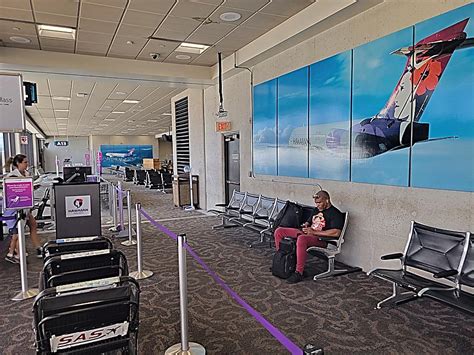
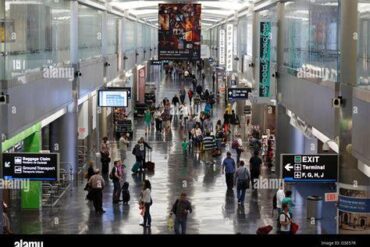
In particular, lobby areas, check-in zones, and gate boarding environments will receive a significant facelift. Enhanced visual aesthetics, improved spatial flow, and more efficient navigation will greet travelers from the moment they step into the terminal. A core emphasis will be placed on digital amenities, such as increased charging stations, better signage, and intuitive wayfinding systems that reflect both the island culture and contemporary design sensibilities.
Digital Transformation: Simplifying Travel With Smarter Technology
Beyond bricks and mortar, Hawaiian Airlines is poised for a substantial digital leap forward. A fully revamped mobile app and website will roll out as part of the Kahuʻewai plan, giving customers access to faster, more responsive tools for:
- Booking and modifying flights
- Managing award travel and loyalty points
- Accessing travel updates and digital boarding passes
Perhaps most consequentially, Hawaiian Airlines will transition to Alaska Airlines’ Passenger Service System (PSS) in April 2026, aligning its technological backbone with its parent carrier. This behind-the-scenes upgrade will ensure smoother integrations, streamlined operations, and a seamless customer experience across both brands. Coinciding with this move is Hawaiian Airlines’ official entrance into the oneworld alliance, a long-anticipated milestone that will expand global connectivity for its customers.
Cabin Overhaul: Elevating the In-Flight Experience on Airbus A330s
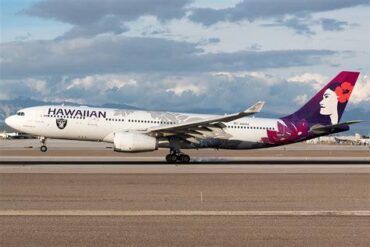
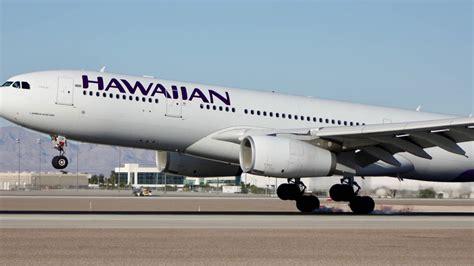
While much of the attention has centered around terminals and tech, one of the most exciting aspects of the Kahuʻewai plan lies in the sky. Beginning in 2028, Alaska Airlines will lead a comprehensive interior refurbishment of Hawaiian’s Airbus A330-200 fleet, signaling long-term commitment to these wide-body aircraft.
Upgrades will include:
- New premium economy cabins
- Fully updated domestic first and international business class suites
- Modernized economy seats with ergonomic improvements
- Stylish new lighting systems and carpets
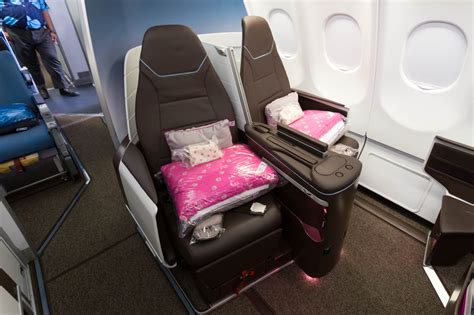
The announcement of first class suites raises expectations that these cabins will feature direct aisle access, suite doors, and potentially lie-flat seating, borrowing cues from premium long-haul products like those on Alaska’s Boeing 787s. These enhancements are not just aesthetic—they represent a decisive move toward competing on a global stage in terms of passenger comfort.
Meanwhile, Alaska Airlines is in the process of purchasing three A330s outright from current lessors, a concrete gesture that affirms its long-range vision of maintaining a strong wide-body fleet in Honolulu, exclusively under the Hawaiian Airlines brand.
Brand Identity: Two Airlines, One Heartbeat
The dual-brand strategy in play is as much a cultural commitment as it is a business decision. Since the merger in 2025, Alaska and Hawaiian Airlines have operated under a single FAA certificate but maintain separate brand identities. Flights to, from, and between the Hawaiian Islands retain the Hawaiian Airlines name, preserving the airline’s unique heritage and symbolism for local residents and visitors alike.
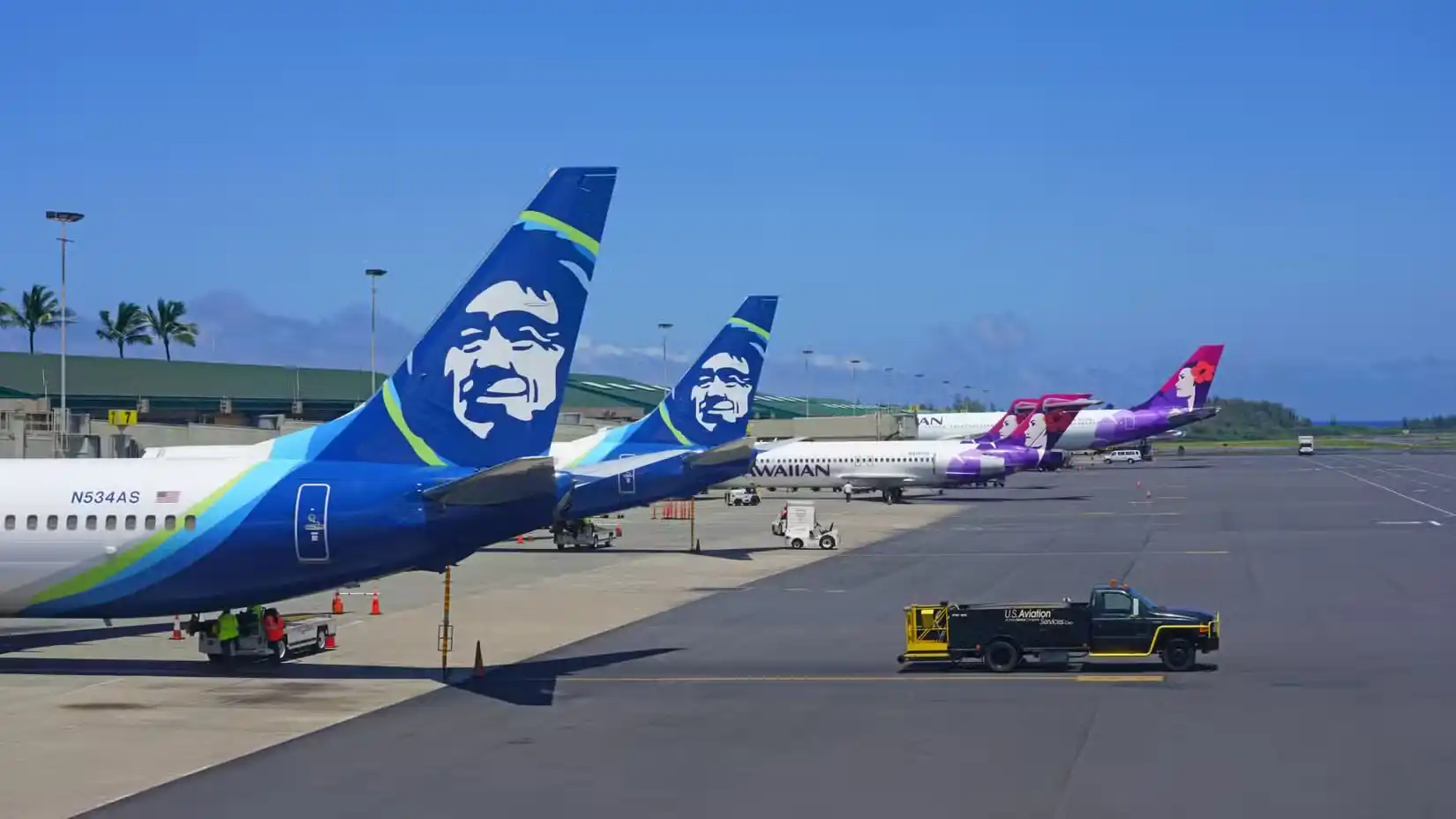
This delicate balance — honoring Hawaiian’s iconic identity while integrating the operational efficiencies of Alaska Airlines — sets the stage for a model rarely seen in U.S. aviation: a merged airline group that still speaks in two voices, yet beats with one heart.
Fleet Strategy: Optimization Without Dilution
While the A330s remain firmly in Hawaii, the Boeing 787s ordered by Hawaiian Airlines are being transferred to Alaska Airlines, reinforcing a smart division of labor. This approach allows the two brands to avoid overlapping fleet complexity while focusing on regional strength:
- A330-200s for Hawaiian’s transpacific leisure routes
- Boeing 787s based in Seattle for Alaska’s expanding long-haul ambitions
This move also alleviates pressure on fleet training, maintenance, and logistics, while still providing customers with upgraded experiences on both sides. Meanwhile, Hawaiian’s aging Boeing 717 fleet, which handles short inter-island hops, is slated for retirement. Alaska has hinted at replacing these aircraft — and potentially Hawaiian’s small Airbus A321neo fleet — with Boeing 737s, further unifying the narrow-body fleet.
Economic Ripple Effects Across the Islands
The implications of the Kahuʻewai investment extend beyond comfort and connectivity. With hundreds of millions being funneled into construction, refurbishment, technology development, and airport modernization, this project is expected to generate significant employment opportunities across Hawaii’s aviation, hospitality, and technology sectors.
Moreover, Hawaiian Airlines remains one of the largest private employers in the state. This reinvestment could stabilize and enhance its role as a pillar of the local economy, especially after years of pandemic-related turbulence.
Looking Ahead: A Fusion of Innovation and Tradition
The Hawaiian word “Kahuʻewai” doesn’t just signify a one-time spend. It reflects a philosophy: one that blends the careful guardianship of Hawaii’s traditions with the bold ambition of 21st-century aviation. From terminal lobbies bathed in island-inspired designs to app screens infused with cultural motifs and world-class usability, Hawaiian Airlines is rewriting what it means to fly with aloha.
While Alaska Airlines brings technical rigor and North American scale, Hawaiian injects soul, identity, and regional wisdom into the venture. With the rollout of these expansive upgrades over the next five years, the skies over the Pacific may soon carry not just planes, but a renewed sense of pride, purpose, and progress.
As the global tourism market rebounds and travelers seek meaningful, connected journeys, this $600 million transformation positions Hawaiian Airlines as more than just a carrier — it becomes a living extension of the islands themselves, elevated by design, enriched by culture, and powered by innovation.