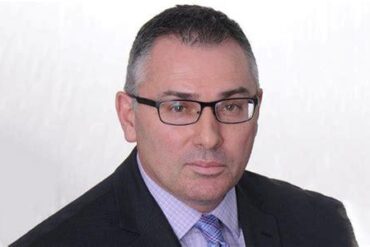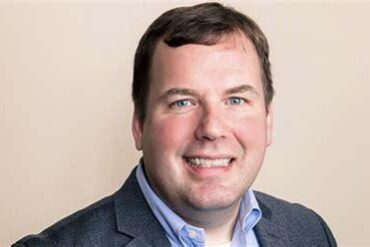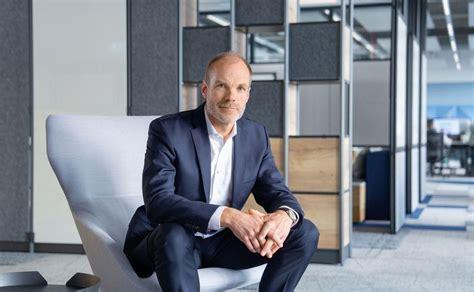
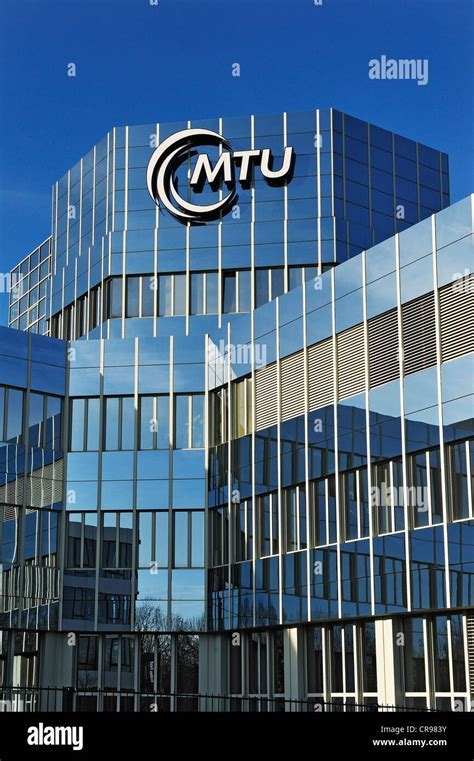
In a significant move that signals both continuity and strategic recalibration, Airbus has appointed Lars Wagner as the incoming Chief Executive Officer of its Commercial Aircraft division. The announcement marks Wagner’s return to the European aerospace giant after his impactful tenure at MTU Aero Engines, where he has served as CEO since January 2023. He is set to assume full responsibilities starting January 1, 2026, with a transitional period beginning in November 2025.
The move comes as Airbus continues to reinforce its leadership bench in preparation for future growth, production ramp-ups, and technological transformation. Wagner’s engineering credentials and operational acumen, combined with his past experience at Airbus, make him a pivotal figure in steering the company through the next critical phase.
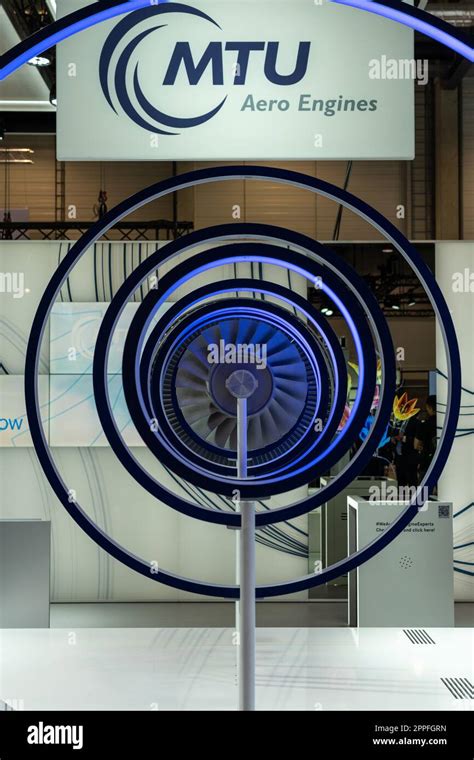
Wagner’s Deep Roots in Aviation and Strategic Leadership
Lars Wagner’s appointment is far from a leap of faith. His career is steeped in the aerospace sector, where he has held multiple high-impact roles at MTU Aero Engines, one of Europe’s leading engine manufacturers. Wagner joined MTU in 2015 as Executive Vice President of OEM Operations, steadily climbing the ranks to become Chief Operating Officer, Chief Technology Officer, and eventually Chief Sustainability Officer before being named CEO in January 2023.
During his leadership at MTU, Wagner became instrumental in navigating the company through global supply chain turbulence, driving sustainable engine development initiatives, and enhancing MTU’s global competitiveness. One of his most noteworthy achievements includes his contribution to MTU’s decarbonization roadmap, advancing technologies for advanced propulsion systems and strengthening partnerships with OEMs and suppliers to build resilience in production.
Wagner also holds degrees in mechanical and aeronautical engineering along with an MBA, making him well-versed in both the technical and commercial dimensions of the aviation business.
A Return to Familiar Ground: Wagner’s Airbus Legacy
Wagner is no stranger to Airbus. Before joining MTU, he served in key operational and engineering leadership roles within Airbus itself. His past assignments took him to Bremen, Hamburg, and Toulouse, where he managed cross-functional teams on manufacturing, engineering optimization, and production efficiency.
His return to Airbus is seen internally as a homecoming and strategically as a continuity of leadership with deep institutional knowledge. According to current Airbus Commercial CEO Christian Scherer, who will be stepping down at the end of 2025, “Lars is the natural choice for Airbus as my successor. I have known him for a long time and have full confidence in his leadership.”
Airbus nominated Wagner back in October 2024, indicating a long-term and deliberate succession plan. This preemptive nomination strategy underscores Airbus’ methodical approach to executive transitions, aiming for minimal disruption and maximum strategic alignment.
Christian Scherer’s Departure: Closing a Four-Decade Chapter
The man Wagner will replace, Christian Scherer, is an Airbus stalwart with over 40 years of service. Scherer has held various roles including Chief Commercial Officer, CEO of ATR, and Head of Strategy and Future Programmes. Notably, he was instrumental in shaping the Airbus A320neo program and expanding Airbus’ industrial footprint in the United States.
Scherer began his journey in 1984 and was deeply involved in Airbus North America during his early years. His later efforts were focused on international growth, strategic alliances, and marketing leadership. His tenure as CEO of Airbus Commercial Aircraft began in January 2024, but his legacy within the company spans decades of innovation and business development.
Airbus’ Current Position: Growth, Orders, and Production Pressure
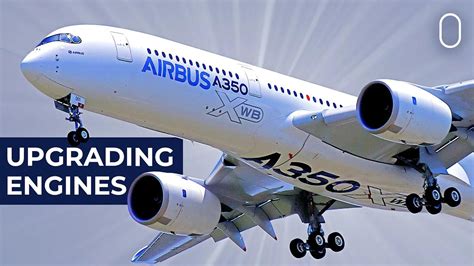
Wagner will take the reins at a time when Airbus holds a commanding position in the global aircraft market. The company continues to outpace Boeing, securing large volumes of orders while capitalizing on its strong single-aisle product line, particularly the A320neo family.
At the Paris Air Show in 2025, Airbus sealed multiple high-value deals, including a significant widebody aircraft order from Riyadh Air. The event reinforced its dominance not only in Europe but in emerging markets such as the Middle East and Asia.
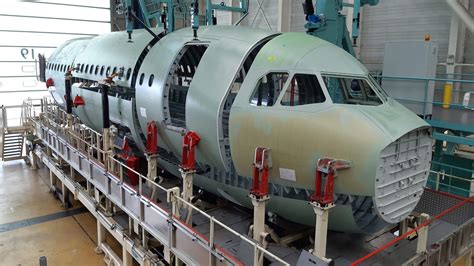
However, the path ahead is not without obstacles. Airbus is currently grappling with supply chain disruptions that have pushed back its ambitious production goal of 75 A320neos per month to 2027. Wagner’s operational expertise will be key to unlocking bottlenecks and meeting delivery obligations across its customer base.
Strategic Restructuring and Technological Emphasis
Another area demanding Wagner’s attention is Airbus’ internal restructuring. In May 2025, Airbus appointed Remi Maillard as the new Head of Technology, merging the roles of Chief Technology Officer and Head of Commercial Aircraft Engineering. This strategic move was designed to streamline innovation efforts across divisions and accelerate Airbus’ progress in sustainable aviation.
This consolidation of technical leadership is in response to rising industry demands for green propulsion, digital twin technology, and lightweight composite structures. With Wagner’s background in propulsion and sustainability at MTU, he is expected to integrate seamlessly into this evolution, possibly spearheading joint ventures and innovation hubs to keep Airbus on the cutting edge.
Executive Continuity Meets Innovation Momentum
Wagner’s appointment represents more than just a changing of the guard—it’s a calculated step in safeguarding Airbus’ innovation momentum while bringing operational rigor to its expansion goals. Unlike abrupt leadership overhauls seen at other aerospace firms, Airbus is staging this transition with a long runway, allowing Wagner and Scherer to collaborate on handover processes.
The result is expected to be a frictionless transition, maintaining investor confidence and employee alignment. Airbus CEO Guillaume Faury remains at the helm of the broader group, providing strategic oversight across military, helicopter, and space sectors while Wagner focuses exclusively on commercial aviation.
What Lies Ahead: Delivering on Decarbonization and Expansion
In the coming years, Wagner will be tasked with delivering on Airbus’ environmental goals while also managing the aggressive production scaling demanded by airline customers worldwide. The commercial aviation sector is undergoing transformative change, driven by climate mandates, energy diversification, and AI-led design automation.
Wagner’s tenure may likely be defined by:
- Sustainable propulsion: Expanding R&D in hydrogen and hybrid-electric aircraft.
- Advanced manufacturing: Deploying AI, robotics, and digitization to enhance throughput.
- Global expansion: Navigating geopolitical dynamics to secure market access in Asia-Pacific and Africa.
- Customer reliability: Minimizing delays in delivery and improving after-sales service.
Airbus has made it clear that the next decade is critical in redefining aviation’s future. Wagner’s blend of technical mastery, environmental leadership, and corporate governance experience positions him uniquely to lead this charge.
Conclusion: A New Chapter with a Proven Leader
As Airbus Commercial Aircraft moves into its next phase, the appointment of Lars Wagner sends a strong signal of strategic foresight and commitment to engineering excellence. His dual familiarity with both Airbus’ operational culture and the broader aerospace ecosystem puts him in an ideal position to balance innovation, sustainability, and scalability.
With Wagner at the helm, Airbus is poised to reinforce its status not only as a leading aircraft manufacturer but also as a visionary in sustainable global aviation.