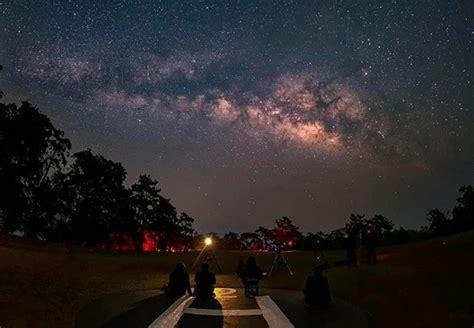
Thailand is rapidly emerging as a premier destination for astronomical tourism, thanks to the government’s relentless efforts to enhance stargazing environments. In 2025, the Tourism Authority of Thailand and the National Astronomical Research Institute proudly launched the ambitious initiative titled “AMAZING DARK SKY IN THAILAND.” This groundbreaking program has introduced 16 new dark sky conservation areas across the country, significantly amplifying travelers’ opportunities to witness Thailand’s spectacular nighttime vistas.
The inception of the “AMAZING DARK SKY IN THAILAND” initiative has played a pivotal role in advocating for the preservation of natural night environments while simultaneously enticing both astronomy enthusiasts and nature lovers. With the recent addition of 16 new sites, the initiative now boasts a total of 48 officially designated dark sky conservation areas nationwide. This growing recognition underscores Thailand’s emergence as a leading hub for stargazing, astrophotography, and related tourism activities.
These newly designated areas are strategically dispersed throughout diverse regions of Thailand, each offering unique landscapes and exceptional celestial views. The dark sky locations are established within both national parks and private venues, adhering to stringent regulations that minimize light pollution. This commitment ensures that visitors enjoy unblemished views of the night sky, making each stargazing experience truly remarkable. As more regions are designated as dark sky parks, Thailand’s ability to cultivate a thriving community of dark sky tourism continues to flourish, providing both educational and recreational experiences for all.
New Dark Sky Parks Within National Parks
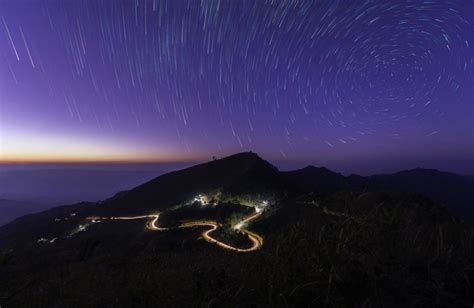
Among the five newly designated dark sky parks located within national parks are Thung Non Pa Ko in Mukdahan, Khao Phra Wihan National Park in Sisaket, Phu Suan Sai National Park in Loei, Phu Hin Rong Kla National Park in Phitsanulok, and Mae Ping National Park in Lamphun. These parks are now recognized as official dark sky areas where visitors can revel in breathtaking views of planets, stars, constellations, nebulae, and even the magnificent Milky Way.
The combination of stunning natural beauty and stellar views positions these parks at the forefront of Thailand’s tourism initiatives, blending astronomy with nature conservation seamlessly. Visitors can expect to find well-maintained facilities equipped for stargazing, ensuring both comfort and accessibility.
Dark Sky Properties for Stargazing
In addition to national parks, the dark sky initiative has expanded to include several private venues designated as dark sky properties. These locations encompass resorts, farms, and educational centers that comply with specific light pollution control standards, creating ideal conditions for stargazing enthusiasts. Recently, nine private venues have joined the ranks of dark sky properties, enhancing the overall appeal of the project for travelers seeking immersive experiences in nature.
Among these newly registered dark sky properties are the Golden Cliff Beach Resort in Trat, Daraga Chiang Dao in Chiang Mai, Dara Cuisine in Phuket, Baan Rai Nai Khieo in Khon Kaen, and Phu Phrom Dao Farmstay in Chaiyaphum. Other notable additions include the Wanatara Resort in Phitsanulok, Mae Lamao Forest Plantation in Tak, and Mae Fah Luang Garden in Chiang Rai. Each of these locations offers visitors an opportunity to escape the clutches of urban light pollution while basking in the enchanting glow of the night sky. These dark sky properties play an essential role in promoting sustainable tourism, raising awareness about responsible lighting practices and energy conservation among tourists.
Dark Sky Suburbs: Expanding Reach to Suburban Areas
While many dark sky areas are situated in remote, rural regions, the initiative has also introduced newly designated dark sky suburbs, bringing this extraordinary experience closer to urban dwellers. The two dark sky suburbs established in 2025 are located in Surin and Mahasarakham, both featuring wide-open fields and minimal light pollution, ideal for optimal celestial viewing. Notable sites such as the Elephant Kingdom in Surin and the Walai Rukhavej Botanical Garden in Mahasarakham ensure that even those unable to venture far from urban centers can experience the awe of the night sky.
Dark sky suburbs represent an integral aspect of Thailand’s overarching dark sky strategy, which aims to make stargazing accessible to a broader audience. By establishing conservation areas within suburban environments, Thailand guarantees that individuals from all walks of life can enjoy the wonder of stargazing, whether they are seasoned astronomers or casual enthusiasts.
Promoting Awareness of Light Pollution
Beyond enhancing tourism, the “AMAZING DARK SKY IN THAILAND” project serves as a vital platform for raising awareness about light pollution and its adverse effects on human health and the environment. The initiative advocates for responsible lighting practices and energy conservation, encouraging locals and visitors alike to adopt sustainable habits that preserve the quality of the night sky.
By promoting dark sky conservation, Thailand’s government seeks to educate the public about the importance of reducing light pollution, which not only hampers stargazing but also disrupts ecosystems and impacts wildlife. Consequently, the dark sky initiative contributes to environmental sustainability while simultaneously enriching the tourism landscape.
Expanding Educational and Creative Tourism
Astronomy tourism has emerged as an innovative avenue for connecting individuals with the natural world. Thailand’s dark sky conservation areas are meticulously designed to foster educational and creative tourism experiences. Astronomy enthusiasts can partake in various activities, including stargazing sessions, astrophotography workshops, and informative talks, all of which enhance the cultural and educational value of visiting these dark sky sites.
With the continued expansion of dark sky areas, Thailand is solidifying its position as a premier destination for astronomical tourism, offering unforgettable experiences for travelers of all ages and interests. As the nation further develops its network of dark sky sites, the future of astronomy tourism in Thailand appears brighter than ever.
Conclusion
By establishing 16 new dark sky conservation areas in 2025, Thailand has made significant strides toward developing sustainable, educational tourism. Through these sites, the country is asserting its credentials as a leading location for stargazing and astronomical research. As the Dark Sky Initiative progresses, it becomes increasingly clear that the night skies of Thailand are opening up, inviting visitors from around the globe to appreciate the splendor of the heavens amid a multitude of stars, all while benefiting nature simultaneously.