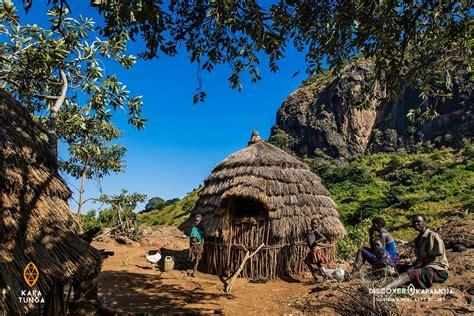
Nestled in the heart of Southern Africa, Zimbabwe is rapidly emerging as one of the continent’s most captivating and underrated travel destinations, dazzling adventurous visitors with its powerful landscapes, rare wildlife encounters, and immersive cultural experiences. Still relatively untouched by the massive crowds of international tourism, Zimbabwe offers an authenticity and raw beauty that modern-day explorers crave—a land where nature reigns supreme and discovery feels personal.
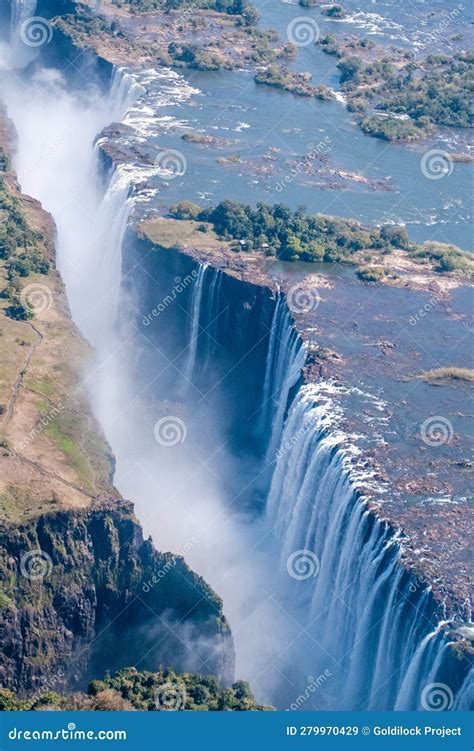
Victoria Falls: The Thundering Heartbeat of Africa
At the very top of Zimbabwe’s attractions lies the legendary Victoria Falls, known locally as Mosi-oa-Tunya — “The Smoke That Thunders.” Straddling the Zimbabwe-Zambia border, this colossal curtain of water is nearly twice the height of Niagara Falls, spanning over 1.7 kilometers wide. The mighty Zambezi River plummets over a sheer cliff edge, creating a thunderous roar, a fine mist that can be seen from miles away, and rainbows that shimmer through the spray — all forming an almost mythological scene of natural grandeur.
What makes Victoria Falls distinct is not just its immense power, but the immersive experience it offers. Visitors can walk along the rainforest trails and feel the spray on their skin, or for the thrill-seekers, embark on heart-pounding activities like white-water rafting, bungee jumping from the Victoria Falls Bridge, or a helicopter flight above the gorge for a bird’s-eye view of this natural wonder.
Hwange National Park: An Untamed Wildlife Wonderland
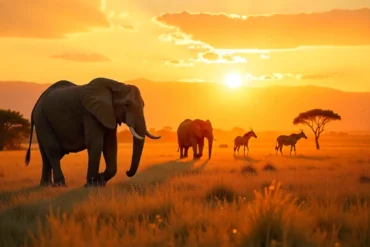
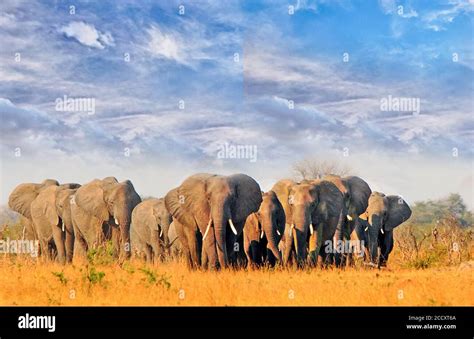
Beyond the falls lies Hwange National Park, Zimbabwe’s largest and most iconic wildlife reserve, covering over 14,600 square kilometers. This ecological marvel is home to over 100 mammal species and 400 bird species, including one of the world’s largest elephant populations. The park’s vast grasslands and mopane forests are teeming with wildlife, from prides of lions and stealthy leopards to majestic giraffes, zebras, and the elusive African wild dog.
Safaris in Hwange are intimate and profound — far from the convoys of vehicles found in more commercialized parks. Game drives at sunrise and sunset offer close encounters with creatures great and small, guided by expert trackers who reveal the intricate tapestry of life that thrives here. Night drives and walking safaris take the adventure even deeper, revealing nocturnal animals and the raw pulse of the bush under a moonlit sky.
Matobo National Park: Sacred Hills and Rhino Tracking
In the southwest lies Matobo National Park, a UNESCO World Heritage site that seamlessly blends geological wonder with spiritual depth. The park’s landscape is defined by surreal granite kopjes and balancing rock formations, many etched with ancient San Bushmen rock art. These mystical outcrops are not only visually stunning but steeped in history — this is the final resting place of colonial figure Cecil Rhodes, who chose the site for its commanding views.
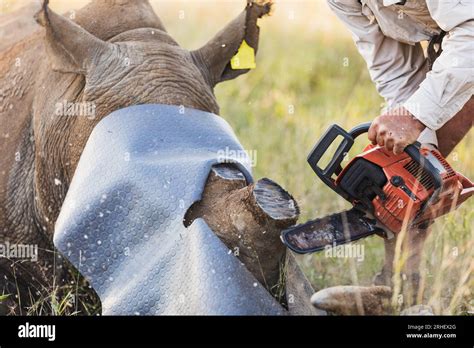
Matobo is also a sanctuary for both black and white rhinos, offering some of the most accessible rhino tracking experiences in Africa. Here, on-foot safaris guided by armed rangers allow travelers to observe these endangered giants from a respectful distance, providing an adrenaline-charged yet deeply humbling wildlife experience.
Authentic Conservation at Imire and Mukuvisi
For those who want a more hands-on conservation encounter, Imire Rhino & Wildlife Conservation and Mukuvisi Woodlands near Harare offer incredible educational experiences. Imire, a family-run conservancy, is famous for its intensive rhino breeding program and close-knit animal-human bonds, where guests can participate in feeding, tracking, and conservation tasks.
Mukuvisi Woodlands, located right in the capital, acts as a green lung for Harare and a powerful reminder of the importance of urban conservation. With over 250 hectares of protected land, it provides easy access to animals like giraffes, zebras, impalas, and crocodiles, and is an excellent choice for families or those with limited time in the city.
Wild is Life: Harare’s Animal Haven
A visit to Harare offers more than just a city stopover. Wild is Life, a wildlife sanctuary just outside the city center, rehabilitates orphaned and injured animals, giving them a second chance at life in the wild. Guests are offered exclusive and up-close encounters with elephants, cheetahs, lions, and even pangolins — one of the world’s most trafficked yet elusive mammals.
Wild is Life also exemplifies the new face of Zimbabwean conservation: community-focused, sustainable, and passionate. A sunset visit often includes a traditional tea ceremony and storytelling sessions, blending conservation with culture in an unforgettable way.
Cultural Riches in the Heart of Harare
Harare, Zimbabwe’s capital, is far from a dull administrative center. It is a city of color and creativity — a cultural epicenter pulsing with music, art, and hospitality. From the bustling Mbare Musika market to the avant-garde galleries of the National Gallery of Zimbabwe, Harare surprises visitors with its modernity and warmth.
Food lovers can explore an eclectic mix of restaurants offering traditional dishes like sadza (maize porridge), nyama (grilled meats), and peanut butter-infused greens — as well as global cuisine with a Zimbabwean twist. The city’s leafy suburbs, artisanal boutiques, and fusion cafes showcase a modern African capital rooted in authenticity and resilience.
Easy Access Yet Off the Beaten Path
Contrary to outdated perceptions, Zimbabwe is more accessible than many travelers believe. Three international airports — in Harare, Bulawayo, and Victoria Falls — serve as gateways into the country, with several major African airlines operating regular flights. Once inside Zimbabwe, a well-maintained network of domestic flights and road transfers makes travel between regions straightforward.
Visa-on-arrival options for many nationalities and a growing hospitality sector — including luxury lodges, eco-camps, and budget guesthouses — ensure that Zimbabwe caters to all types of travelers, whether seeking rugged adventures or comfort in the bush.
Zimbabwe’s Moment is Now
As digital platforms like YouTube and TikTok shine a new light on Zimbabwe’s hidden wonders, more adventurous travelers are realizing what early visitors have known for years: this is a country of immense potential and untouched splendor. Influencers like travel vlogger Tayo Aina have showcased Zimbabwe as possibly the most underrated destination in the world, offering visuals that rival even Africa’s most famous hotspots.
From the soaring thunder of Victoria Falls to the tranquil beauty of remote national parks, Zimbabwe offers a canvas of unforgettable experiences — the kind that redefine your idea of travel. It’s a place where you can walk beside rhinos, dine under starlit skies in the bush, hear ancient stories told by firelight, and lose yourself in nature’s grandeur.
A Destination for the Fearless
Zimbabwe is not for those seeking sanitized, commercialized tourism. It is a destination for the bold, the curious, the dreamers, and the storytellers. It rewards those who step off the beaten path with soul-stirring beauty, genuine human connections, and memories that are not only spectacular but profoundly moving.
For those craving a travel experience that feels real — that ignites awe and wonder — Zimbabwe offers more than a holiday. It offers transformation.
Now is the time to discover Africa’s best-kept secret, while its treasures still remain wild, pure, and personal.