Nestled among the rugged hills of the Eritrean Highlands at an impressive elevation of 2,325 meters, Asmara is rapidly emerging as one of the world’s most underrated travel destinations. While many travelers flock to well-trodden circuits in Europe or seek the thrill of East Africa’s iconic safaris, Asmara offers a distinctly different experience: a treasure trove of Italian modernist architecture that stands as the largest collection of its kind outside Europe. With over 4,300 buildings showcasing this architectural style, Asmara presents a unique opportunity for those seeking cultural depth, aesthetic beauty, and a refuge from the overwhelming pressures of mass tourism.
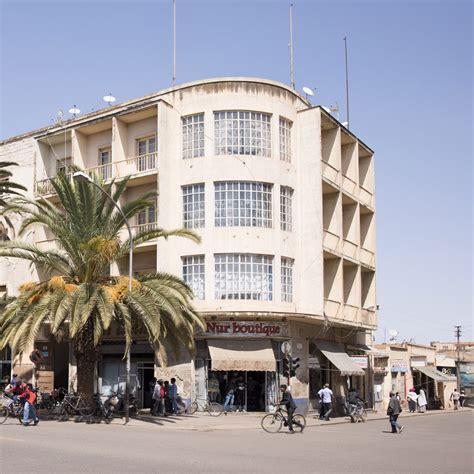
Walking through the streets of Asmara often leaves visitors in awe, as the city’s harmonious architectural landscape unfolds before them. The sense of unity in design strikes a chord, with early 20th-century aesthetics permeating every corner. The broad, tree-lined boulevards and single-story buildings create a human-scale environment, promoting open spaces rather than the dense skyscrapers typical of urban centers. Designated a UNESCO World Heritage Site in 2017, Asmara’s preservation of Rationalist, Art Deco, and Futurist architectural principles within an African context has garnered widespread acclaim. Many neighborhoods, constructed during the colonial Italian era, retain their original shapes, finishes, and materials intact. Unlike other European enclaves that have undergone extensive restoration, Asmara preserves an authentic, untouched essence, allowing tourists to experience the city as it was intended.
One of the standout landmarks in Asmara is the Cinema Impero, a striking building reminiscent of an aircraft, which was completed in the 1930s. With its 30-meter wings seemingly suspended in mid-air, this Futurist structure remains one of Asmara’s most captivating monuments. Cinema enthusiasts will appreciate the nostalgia of visiting one of the city’s historic theaters, still operational since pre-World War II, boasting original equipment and an Art Deco interior. This venue serves as a portal back in time, providing a genuine cultural time capsule for those who enter.
Beyond the architectural marvels, daily life in Asmara reveals a tapestry woven with rich cultural heritage. Quaint outdoor cafés serving robust espresso are nestled within retro surroundings, while hand-painted signage adorns shopfronts, adding to the city’s charm. Each corner invites visitors to partake in a cultural experience, often feeling like a step back in time, where the hustle and bustle of modernity seems to have paused.
Asmara’s climate adds another layer to its allure. Perched high above sea level, the city enjoys temperate weather throughout the year, making it ideal for leisurely strolls, architectural walking tours, and breathtaking photography against a stunning mountainous backdrop. The optimal time for a visit spans from October to March, when dry and sunny weather prevails, granting visitors splendid visibility and perfect conditions for exploring the city’s rich culture and exquisite designs.
What makes Asmara particularly fascinating is the serendipity of its preservation. Following decades of economic isolation after gaining independence, the pace of new construction slowed dramatically, preventing the city from being overtaken by generic high-rises and tourist infrastructure. This stagnation allowed much of the colonial architecture to remain untouched, offering a genuine glimpse into the city’s storied past. Restoration efforts are intentional and meticulous, with global heritage organizations collaborating with local artisans to revive structures using traditional techniques and materials.
For those yearning for authentic experiences, Asmara delivers on that promise. The city’s café culture retains a nostalgic charm, with establishments still utilizing espresso machines from the 1940s, allowing visitors to sip coffee amidst interiors that echo history. Private walking tours led by architectural experts provide deeper insights into the city’s design legacy, revealing the interplay between Italian and Eritrean architectural styles, and showcasing how the urban layout harmonizes with the local environmental and cultural context.
Asmara offers an extraordinary travel experience, unspoiled by the throngs of tourists that typically swarm more famous destinations. Limited international flight access—primarily through Cairo, Dubai, and select African hubs—keeps the city off the conventional tourist radar. For those adventurous enough to venture off the beaten path, the reward is an opportunity to explore an unblemished capital devoid of the usual tourist crowds, lengthy lines, and commercialized attractions. For many, Asmara is a quiet revelation, where the charm lies not in the widely publicized sites, but in the ability to discover a place where history remains authentic and unembellished.
To fully immerse oneself in the city’s rich narrative, accommodations in Asmara resonate with the historic ambiance. Many hotels occupy restored buildings from the Italian era, offering contemporary comforts while preserving the character of their historical surroundings. For an even more intimate connection to local life, guesthouses in neighborhoods like Godaif offer an authentic perspective on Asmara’s day-to-day existence, overlooking preserved churches and colonial rooftops.
In conclusion, Asmara presents a refreshing perspective on African travel, challenging conventional narratives that often focus solely on safaris or beach resorts. The city encapsulates a richly cultural and architecturally stunning story, demonstrating that African destinations have much more to offer. As travelers increasingly seek authentic experiences that resonate with cultural significance, Asmara stands out as an exceptional choice. Combining modernist architecture, a temperate climate, and deeply rooted traditions, Asmara is poised to deliver an experience that transcends mere sightseeing, engaging visitors in a living narrative steeped in history and cultural richness.