A Tranquil Escape from the Ordinary
The allure of Sumba lies in its ability to provide a sanctuary from the chaos of modern tourism. Measuring approximately the same size as Hawaii’s Big Island, Sumba is characterized by its peaceful streets and absence of commercialized tourist traps. Here, one can wander through serene villages without the distractions of roadside shops or party atmospheres. This laid-back environment attracts travelers who are weary of overcrowded destinations and yearn for a genuine connection with local culture.
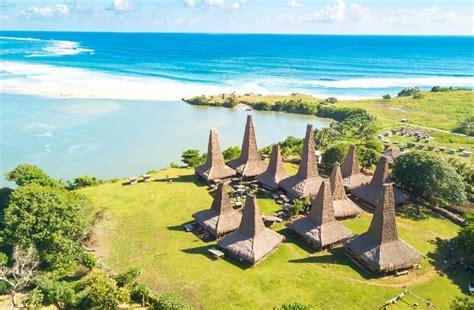
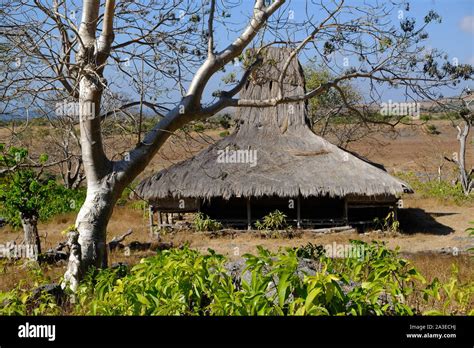
As visitors stroll through the heart of Sumba, they encounter the Marapu people, the island’s indigenous inhabitants, whose deep spiritual connections to their land shape everyday life. The architecture of traditional villages, dominated by the striking uma mbatangu, showcases not just shelter but also serves as a sacred link between the physical world and the spiritual realm.
Embracing Ancient Traditions
At the core of Sumba’s identity is the Marapu belief system, which reflects a harmonious relationship with nature and ancestors. Traditional rituals and customs breathe life into the island’s culture, allowing visitors to witness practices that have remained unchanged for centuries. The unique architecture of Sumba’s villages, notably the triangular huts with high thatched roofs, embodies this spiritual connection. Each home is more than just a dwelling; it is a place where the spirits of ancestors reside, bridging the gap between the living and the ethereal.
Visitors are encouraged to engage with locals, partaking in ancient ceremonies that reveal the profound respect the Marapu people have for their heritage. Such experiences offer travelers a glimpse into a world where spirituality and daily life intertwine seamlessly, enriching their understanding of Sumba’s diverse culture.
The Art of Ikat Weaving: A Cultural Treasure
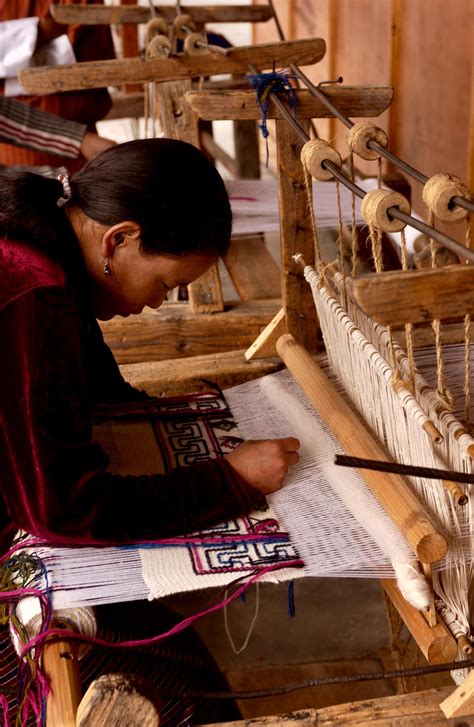
One of Sumba’s most celebrated crafts is ikat weaving, a time-honored tradition that has flourished on the island for generations. This intricate process involves tying and dyeing yarn to create intricate patterns, which are then woven into beautiful textiles. Observing local artisans at work provides insight into the painstaking dedication required to produce each piece, often taking several months to complete.
Ikat fabrics are not merely decorative; they carry deep cultural significance. The designs often depict elements of Sumbanese life, such as the famed sandalwood ponies that symbolize the island’s historical trade routes. By purchasing these handmade textiles, visitors not only acquire a piece of Sumba’s cultural heritage but also contribute to the local economy, supporting artisans who maintain these traditional crafts.
Luxury Resorts with a Commitment to Sustainability
While Sumba may still be emerging on the global tourism stage, the opening of luxurious resorts like Cap Karoso signals a shift towards sustainable travel options. Launched in 2023, Cap Karoso exemplifies the fusion of luxury and ecological mindfulness, offering guests a unique opportunity to explore Sumba’s breathtaking landscapes while minimizing their environmental impact.
The resort is deeply committed to responsible tourism, emphasizing community engagement and cultural preservation. Guests can participate in various activities, from visiting traditional villages to learning about local conservation efforts, ensuring that their stay enriches both their experience and the lives of the local inhabitants.
This model of tourism prioritizes sustainability without compromising on comfort, making it a blueprint for future developments in the region. Cap Karoso’s dedication to reducing its ecological footprint while fostering connections between tourists and the local community highlights a promising direction for Sumba’s tourism industry.
The Impact of Tourism on Sumba’s Future
As Sumba garners increasing attention, the potential for sustainable tourism becomes clearer. The island is rich in cultural heritage and natural wonders, providing a compelling reason for travelers seeking authentic experiences. The rise of slow travel trends—focused on meaningful interactions and environmental consciousness—positions Sumba as an ideal destination for discerning travelers.
Tourism serves as a vital source of income for local communities, particularly in rural areas where traditional farming remains prevalent. By promoting local craftsmanship and engaging with indigenous culture, Sumba can harness the economic benefits of tourism while safeguarding its unique identity and environment. As the island continues to attract visitors who prioritize sustainability, it stands poised to become a significant player in the Indonesian tourism landscape.
Sumba: A Success Story in the Making
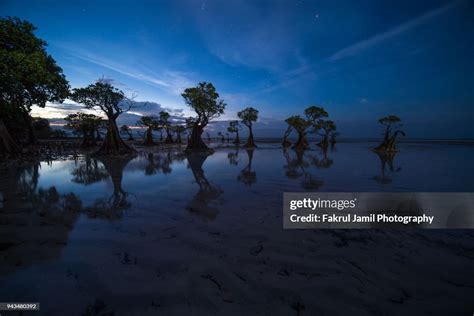
Sumba Island’s enchanting blend of tranquility, cultural richness, and sustainable practices marks it as a rising star in Southeast Asia’s travel scene. As more travelers seek out destinations that offer authentic experiences, Sumba’s commitment to preserving its cultural legacy while embracing responsible tourism will be crucial for its future.
With its untouched beauty and vibrant traditions, Sumba invites those in search of a destination off the beaten path. As the island evolves, its potential to foster economic growth while maintaining its heritage shines brightly, positioning Sumba as a beacon of hope for sustainable tourism in Indonesia.
In a world where travelers increasingly value cultural immersion and environmental stewardship, Sumba Island stands ready to welcome those eager to explore a destination that promises both adventure and enlightenment. Whether you’re drawn by the exquisite ikat textiles, the serene landscapes, or the opportunity to engage with ancient cultures, Sumba is undoubtedly a place worth discovering.