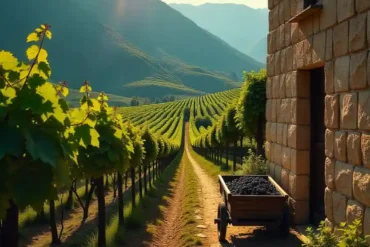
Argentina has emerged as a leading destination for wine tourism, captivating travelers with its unique offerings and breathtaking landscapes. While Spain has long held the title as a premier wine tourism hotspot, Argentina is rapidly gaining ground, thanks to its affordability, diverse wine regions, and a commitment to quality that is reshaping the global wine tourism landscape. In this article, we will explore the factors behind Argentina’s rise in wine tourism, highlighting its exceptional regions, signature varietals, and the experiences that await visitors.
Argentina’s Growing Wine Industry
One of the most surprising developments in the wine world is Argentina’s position as the fifth-largest wine producer globally. The country’s unique geography, characterized by high-altitude vineyards and diverse climates, allows it to cultivate world-renowned varietals like Malbec. These elements come together to create an inviting atmosphere for wine enthusiasts. As Argentina emphasizes quality over quantity, its wine regions are becoming crucial stops on the global wine tourism map, increasingly overshadowing traditional destinations in Spain.
Mendoza: The Heart of Wine Tourism in Argentina
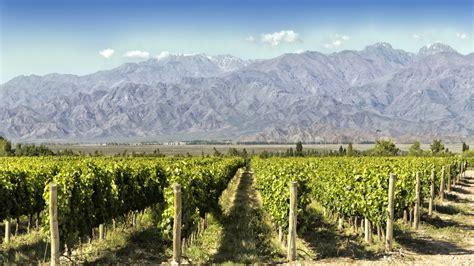
Mendoza stands as the crown jewel of Argentina’s wine tourism. This picturesque region invites travelers to savor fine wines while soaking in the awe-inspiring views of the Andes Mountains. Although the area under vine cultivation has decreased from 629,850 acres in 1980 to 360,972 acres today, Mendoza’s allure has only intensified. The vineyards, situated at elevations ranging from 2,000 to 3,600 feet, are perfectly suited for producing bold and flavorful grapes, allowing winemakers to craft wines that reflect the region’s unique terroir.
Each March, Mendoza hosts the Fiesta Nacional de la Vendimia, a vibrant harvest festival that draws large crowds and offers tourists an immersive experience in local traditions. As visitors explore the vineyards, they are not only treated to exquisite flavors but also captivated by the region’s natural beauty, making Mendoza an indispensable part of any wine lover’s journey.

Beyond Mendoza: Argentina’s Other Wine Regions
While Mendoza remains the primary wine tourism destination, other regions in Argentina are gaining recognition for their distinctive offerings. Patagonia, known for its cool climate, produces exceptional Pinot Noir, Chardonnay, and Semillon. The region’s winds play a vital role in shaping the wines, resulting in distinct and expressive flavors. Further north, San Juan basks in intense sunshine, yielding rich and bold reds such as Syrah and Bonarda, celebrated for their depth of flavor.
La Rioja, one of Argentina’s oldest wine regions, showcases traditional winemaking practices, while the Cafayate region in Salta, located at an impressive 5,450 feet above sea level, specializes in the aromatic Torrontés. This fragrant white wine delights palates with its floral notes and exemplifies Argentina’s diverse viticultural landscape.
The Signature Grape: Malbec
No discussion of Argentine wine would be complete without mentioning Malbec, the country’s most iconic grape. With over 20,000 hectares dedicated to Malbec vineyards across 18 of Argentina’s 23 provinces, this varietal has become synonymous with the nation’s wine identity. The cool nights and warm days characteristic of Argentina’s climate create optimal conditions for slow ripening, essential for producing deep-colored, full-bodied wines that have won acclaim worldwide.
Malbec World Day, celebrated every April, underscores the country’s dedication to this beloved grape, attracting fans from around the globe and solidifying Argentina’s status on the international wine stage.
Affordability: A Key Driver of Wine Tourism
One of the factors that distinctly sets Argentina apart from other wine tourism destinations is the affordability of its offerings. Wine tours, tastings, and accommodations in Argentina’s wine regions typically cost significantly less than similar experiences in established wine regions like Spain or Napa Valley, USA. The recent devaluation of the Argentine peso has further increased the purchasing power of foreign visitors, making Argentina an attractive option for wine lovers seeking value without compromising on quality.
This affordability extends beyond wine tastings; it encompasses the entire experience. Travelers can indulge in high-quality local wines, enjoy rich culinary experiences, and revel in beautiful landscapes, all at a fraction of the cost found elsewhere.
Culinary Experiences in Argentina’s Wine Regions
In addition to its superb wines, Argentina boasts a rich culinary culture that enhances its wine tourism experience. Over 50% of wineries in Mendoza offer gastronomic experiences, including cooking classes, gourmet meals, and food festivals. The seamless integration of food and wine creates a multi-sensory journey for visitors, allowing them to savor regional dishes while sipping on exceptional Malbecs or crisp whites.
Dining amidst the breathtaking scenery of vineyards and mountains is a memory many tourists cherish long after their visit, reinforcing Argentina’s reputation not just as a wine destination but as a culinary haven as well.
Sustainable Practices and Eco-Friendly Tourism
Argentina’s wine tourism is also benefiting from a growing focus on sustainability and eco-friendly practices. Many boutique wineries in regions like Mendoza and Patagonia employ organic farming techniques, utilizing drip irrigation to conserve water and protect the land. These sustainable practices not only enhance the quality of the wine but also ensure the longevity of the vineyards, appealing to environmentally conscious tourists.
Eco-tourism represents another attractive facet of Argentina’s wine tourism. Many wineries offer packages that include stays in eco-lodges and outdoor activities like hiking, biking, and horseback riding through the vineyards. These experiences highlight the region’s natural beauty while emphasizing sustainability, making them particularly appealing to modern travelers.
Spain’s Struggles in Wine Tourism
Despite its rich history and extensive vineyard areas, Spain’s wine tourism has encountered several challenges in recent years. High costs, overcrowding in popular regions, and limited international marketing efforts have hindered Spain’s ability to compete effectively with emerging destinations like Argentina. In 2020, Spain experienced a significant drop in wine tourism, with a 73.53% decline in visitors and a 74.7% decrease in revenue, partly due to the pandemic and rising prices.
In contrast, Argentina’s lower prices and innovative marketing strategies have allowed it to capture the attention of wine lovers worldwide. Spain’s wine tourism struggles to achieve the international visibility that countries like Argentina have embraced, which further complicates its competitiveness on the global stage.
The Role of Social Media in Attracting Wine Tourists
Social media plays a pivotal role in Argentina’s success as a wine tourism destination. Platforms like Instagram and TikTok are filled with stunning images of vineyards, winery events, and scenic landscapes, providing potential visitors with a visual feast of what awaits them. Argentina’s vibrant wine tourism promotions are widely shared across digital platforms, significantly increasing its reach and appeal to global audiences.
The Future of Wine Tourism
Looking ahead, Argentina’s wine tourism appears poised for continued growth. By enhancing its marketing efforts and promoting lesser-known regions, Argentina has the potential to attract even more international visitors. Conversely, Spain must address its challenges—particularly concerning pricing, marketing, and overcrowding—to maintain its competitiveness in the global wine tourism market.
Conclusion
Argentina’s wine tourism is rapidly catching up with Spain in several key areas, including affordability, sustainability, and novelty. With regions like Mendoza setting a high standard, wine lovers are treated to an exceptional experience filled with exquisite wines, breathtaking scenery, and delightful cuisine. As Spain grapples with its own challenges, many wine tourists are finding Argentina to be the more compelling choice for their next adventure.