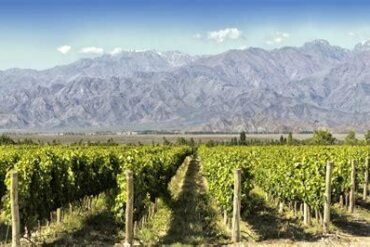
When the official tourism website for Georgia raves that “In Georgia, all roads lead to wine,” it’s difficult to not be enticed. Driving into the Kakheti region, anticipation builds for the legendary wine culture of this ancient land. Situated at the intersection of Asia and Europe, Georgia is a melting pot of diverse cultures, and its wine — encompassing red, amber, rosé, and white varieties — encapsulates the country’s age-old traditions and ways of life.
The Birthplace of Wine in Georgia
Georgia is widely recognized as the birthplace of wine, with winemaking practices that date back more than 6,000 years. While other civilizations were still developing basic tools, Georgians were perfecting the intricate art of crafting wine. Today, over 500 native grape varieties flourish here, with the Kakheti region serving as the epicenter of Georgia’s wine production. Just a few hours’ drive from Tbilisi, this picturesque region offers visitors a rare opportunity to immerse themselves in time-honored customs and practices that have been passed down through generations.
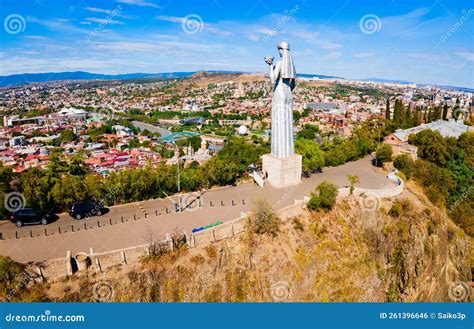
The wine culture in Georgia, deeply rooted in tradition, is perhaps best symbolized by a statue overlooking Tbilisi: Kartlis Deda (Mother of Georgia). Standing proudly on Sololaki Hill, she holds a sword in one hand and a bowl of wine in the other, representing the nation’s strength and hospitality. In Kakheti, wine is omnipresent — from the clusters of grapes adorning ancient stone tablets to the intoxicating aroma of fermentation that lingers in the air.
Qvevri: Preserving an Ancient Tradition
As soon as I arrive in Kakheti, I encounter a cluster of enormous clay pots lining the roadside. These are qvevri, traditional clay vessels used for winemaking that have been in use for over 8,000 years. Archaeological evidence, including shards of pottery adorned with grape motifs, confirms the region’s long-standing relationship with wine. The qvevri method remains vital to Georgian winemaking today; these vessels are buried underground, ensuring cool temperatures that are ideal for fermentation. This ancient technique has earned a place on the UNESCO Intangible Cultural Heritage Lists, underscoring its significance to Georgian cultural identity.
The Kakheti Wine Route
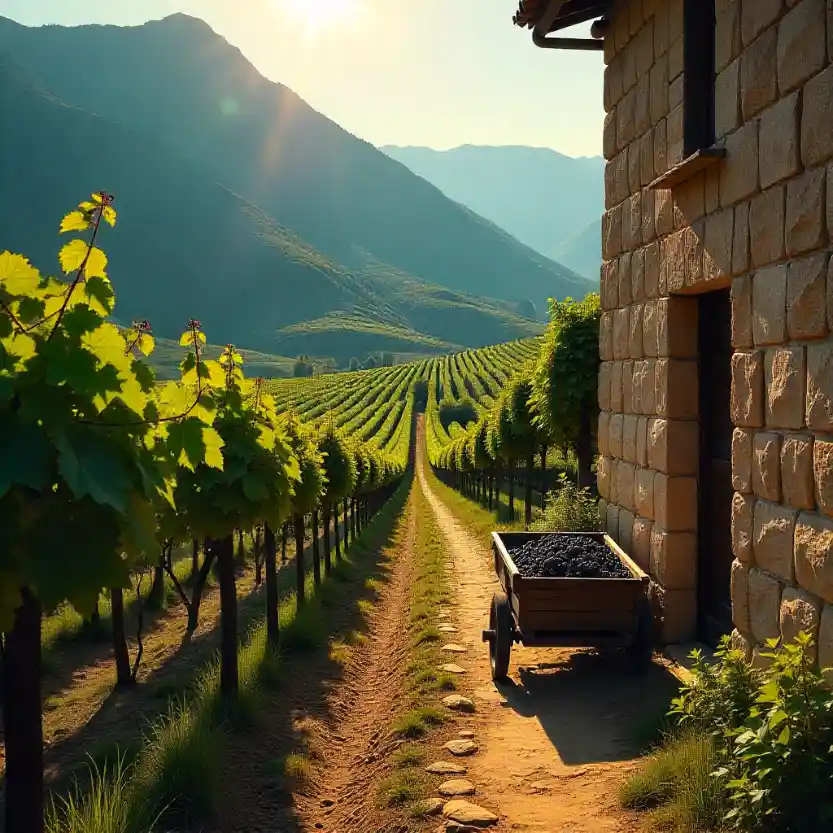
As I journey through Kakheti, I pass numerous signposts advertising vineyard tours and wine tastings every few hundred meters. This region is home to hundreds of small, family-run wineries — known as maranis — each offering a unique glimpse into Georgia’s rich winemaking history. During the late summer harvest season, these wineries are bustling with visitors eager to witness the traditional winemaking process firsthand. I’ve chosen to stay at the Lopota Lake Resort & Spa, a luxurious estate complete with its own vineyard and winery.
Exploring Georgia’s Grapes
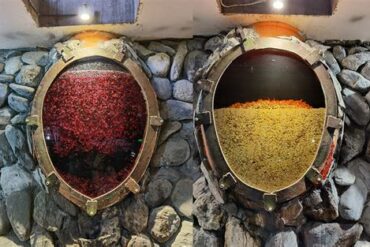
At the resort, I savor a selection of wines paired with local cheese and walnuts. My standout discovery is an amber wine, crafted from white grapes whose skins are left to ferment with the juice. This technique imparts intense flavors, creating a delightful balance between the crispness of white wine and the robust structure of reds. The amber wine is a revelation — a vivid representation of the orange-hued elixir produced when the shriveled grape skins macerate, enriching the wine with depth and character.
Delving Deeper into Kakheti’s Wine Culture
Over the next few days, I immerse myself further in Kakheti’s vibrant wine culture. A visit to the hill town of Sighnaghi, affectionately dubbed Georgia’s “City of Love,” allows me to stroll along the 18th-century fortified walls. There, I indulge in local delicacies, tasting artisanal cheeses and churchkhela, a traditional Georgian sweet made from nuts and grape juice, at the bustling market in Telavi. At the Alaverdi Monastery, I am awed by centuries-old murals while witnessing monks continuing the age-old practice of winemaking, adhering to methods that have persisted through generations. Additionally, I explore the Tsinandali Estate, once home to the poet-prince Alexander Chavchavadze, which boasts a remarkable collection of over 10,000 vintage wine bottles housed in its rock museum.
Rtveli Harvest Festival: A Sip to Remember
One of the most joyous occasions in Kakheti is the Rtveli Harvest Festival, celebrated between mid-September and the end of October. Visitors flock to partake in this lively event, experiencing the essence of winemaking as they pick and process grapes alongside local wineries. At Lopota Lake Resort, guests are invited to join in on the special winemaking festival, where they can observe each stage of the winemaking process firsthand. In the evenings, I feast like a true Georgian at the resort’s Kakhetian Corner restaurant, enjoying a meal of khinkali (soup dumplings) and pkhali (vegetable walnut dip), all perfectly complemented by memorable amber wine.
Conclusion: A Philosophy of Wine Life
As I sit and sip my wine under a sky painted with lilac and rose hues, I envision Kartlis Deda, ever watchful with her welcoming bowl of wine. For Georgians, wine transcends mere beverage status; it symbolizes hospitality, tradition, and culture. In this moment, I am struck by the realization that wine is not just a drink but an experience that connects me to the very soul of Georgia.