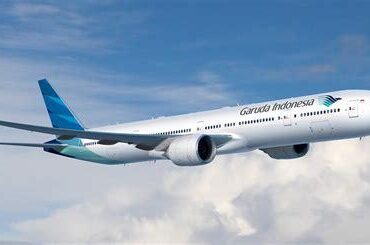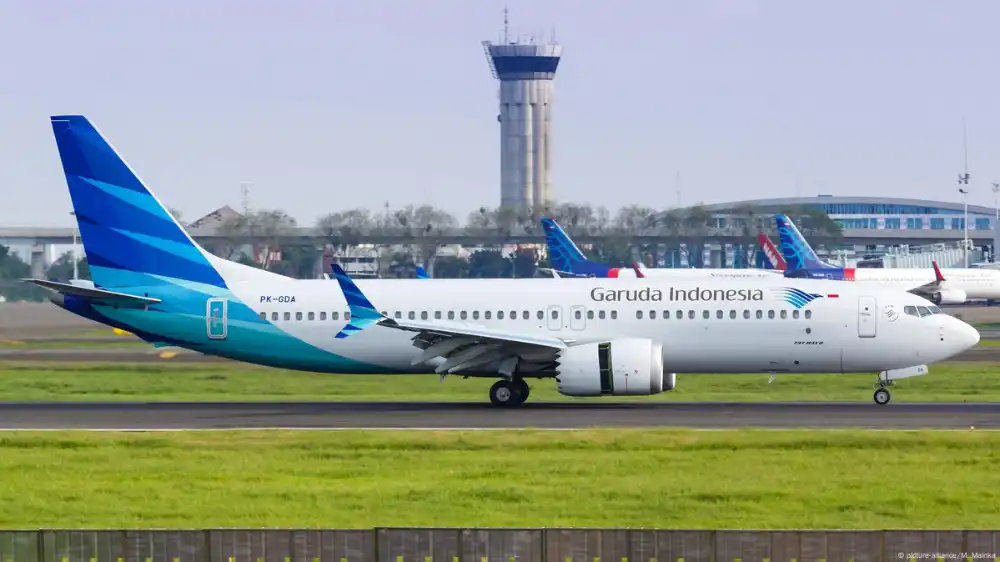
Garuda Indonesia, the flag carrier of the Republic of Indonesia, stands as a remarkable emblem of national pride, resilience, and evolution in the competitive realm of global aviation. From its revolutionary roots in the post-independence era to its modern-day rebranding and restructuring, Garuda Indonesia has continuously strived to embody Indonesian hospitality, safety, and service excellence in the skies.
From Independence to International Airways: Founding Years of Garuda Indonesia
The journey of Garuda Indonesia began on January 26, 1949, with the inaugural flight of a Douglas DC-3 named Seulawah. This flight, financed by the Acehnese people during Indonesia’s struggle for independence, flew from Calcutta to Rangoon. The name “Garuda”—drawn from the mythical bird that carries the god Vishnu in Hindu tradition—was adopted that same year, aligning the airline’s image with national identity and resilience.
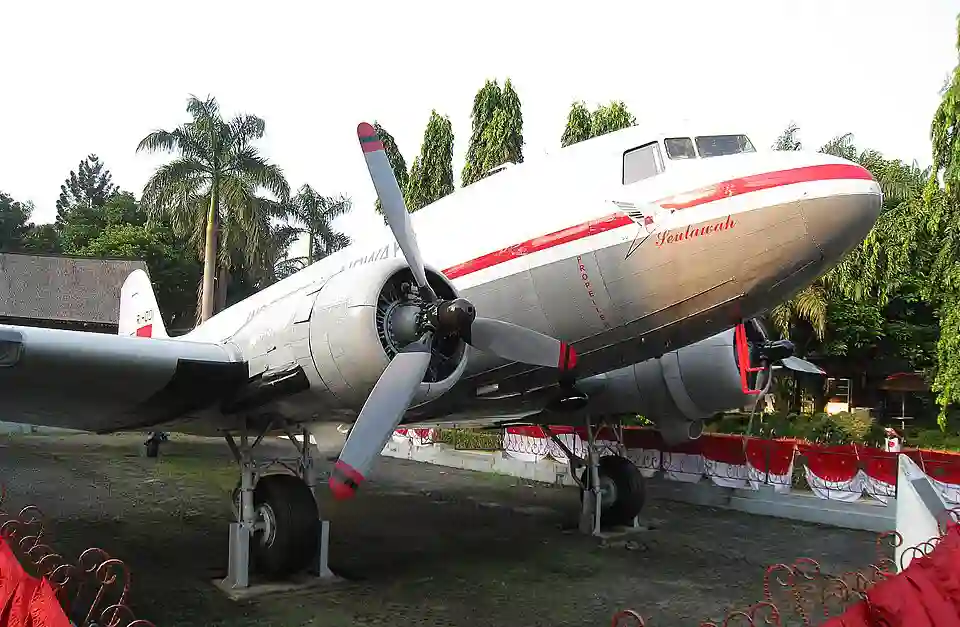
In the 1950s, Garuda expanded rapidly, reaching a fleet size of 38 aircraft by the decade’s end. In 1956, the airline began Hajj charter flights, inaugurating its commitment to serve the spiritual journey of Indonesian Muslims.
Jet Age Expansion and Global Reach (1960s–1990s)
The 1960s ushered in the jet age for Garuda with the addition of Convair 990s and Douglas DC-8s, enabling long-haul flights to Europe. Routes to Amsterdam, Frankfurt, Rome, Paris, and Guangzhou connected Indonesia to the world. By the 1970s, Garuda operated an array of aircraft such as the Fokker F28, McDonnell Douglas DC-10, and Boeing 747-200, making it the world’s largest F28 operator at one point.
A pivotal rebranding occurred in 1985 under CEO Reyn Lumenta. The partnership with design house Landor Associates produced a new identity featuring cool tones and the iconic ‘Nature’s Wing’ logo. The decade also witnessed the launch of two-pilot widebody A300 B4-220FFCC operations, cementing Garuda’s commitment to operational modernization.
During the 1990s, Garuda introduced MD-11s and Boeing 747-400s, facilitating long-haul services including Jakarta to Los Angeles via Honolulu. However, this golden era soon dimmed amid financial headwinds and external shocks.
Turbulence and Tragedy: A Struggle for Stability (1996–2006)
The late 1990s and early 2000s marked one of the most tumultuous chapters in Garuda’s history. The Asian Financial Crisis, 9/11 terrorist attacks, Bali bombings, and the SARS epidemic deeply impacted global aviation, forcing Garuda into severe route reductions, particularly in long-haul sectors.
Two catastrophic crashes in Fukuoka (1996) and Medan (1997) tarnished the airline’s safety reputation. Compounding these issues was the 2004 murder of human rights activist Munir Said Thalib on a Garuda flight, a scandal that implicated both off-duty pilots and top management. The airline was ordered to pay compensation and found negligent in handling the incident.
Regaining Trust: EU Ban and the Quantum Leap Initiative (2007–2014)
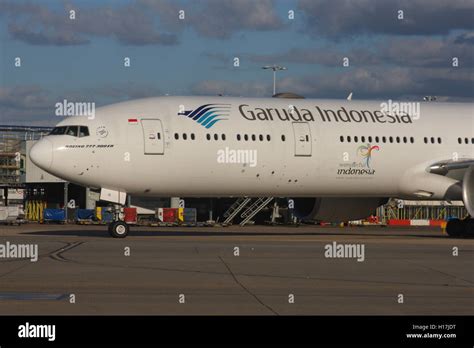
Following the 2007 crash of Flight 200, the European Union banned all Indonesian carriers from its airspace. Garuda, then grounded in Europe, launched sweeping safety reforms and internal overhauls. In July 2009, the EU lifted the ban, and Garuda made its triumphant return to European skies.
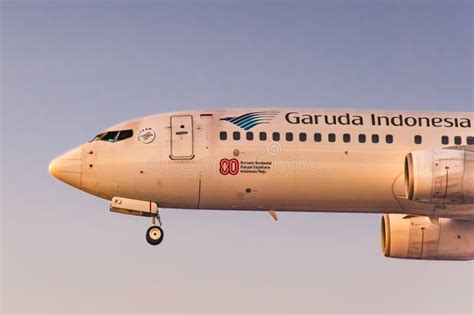
A strategic initiative, branded as the “Quantum Leap”, was launched in 2009. The five-year plan focused on fleet modernization, service quality, and corporate rebranding. The airline introduced the Sky Interior Boeing 737s, new uniforms, and a stronger international network. In 2010, the new Garuda livery debuted with vibrant, modern aesthetics.
In 2011, Garuda was listed on the Indonesia Stock Exchange (IDX) at Rp 750 per share. Skytrax recognized Garuda Indonesia with multiple awards, including:
- Most Improved Airline (2010)
- 5-Star Airline Certification (2014)
- World’s Best Cabin Crew (multiple wins)
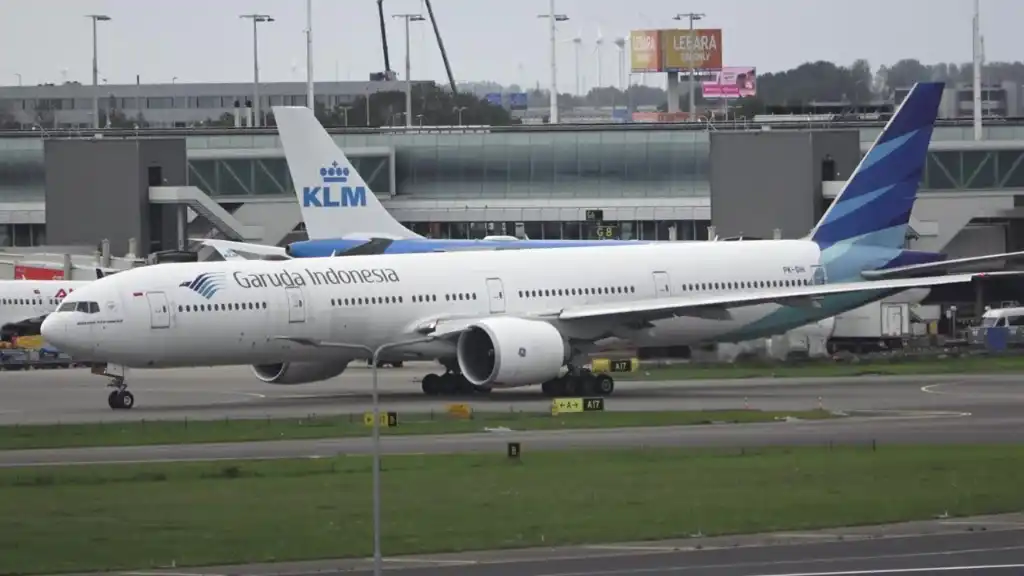
By 2014, Garuda had joined the SkyTeam Alliance, aligning itself with global partners like KLM, Korean Air, and Delta Air Lines, and restoring prestige to the Indonesian aviation sector.
Controversy and Corruption: Cracks in the Facade (2015–2020)
Despite its accolades, Garuda was not immune to internal dysfunction. Under CEO Ari Askhara, a series of controversies rocked the company:
- 2018: Irregularities in financial reporting drew regulator sanctions.
- 2019: The infamous ‘handwritten menu’ in business class drew public scorn.
- December 2019: Askhara was dismissed for smuggling a Harley-Davidson and Brompton bicycles on a new aircraft delivery flight.
Reports of toxic internal culture and allegations of exploitation within cabin crew ranks led to public scrutiny and forced the Ministry of State-Owned Enterprises to respond. These episodes tarnished Garuda’s service-focused reputation, even as operations continued.
Pandemic Crisis and Court-Led Restructuring (2020–2023)
The onset of the COVID-19 pandemic sent shockwaves through Garuda’s operations. Passenger numbers plummeted, prompting:
- Furloughs and layoffs reducing the workforce by ~30%
- Debates over PPE mandates (masks vs face shields)
- Suspension of many international routes
By the end of 2021, Garuda’s debt had soared to US$9.8 billion, owed to more than 800 creditors. The government considered contingency replacements, including Pelita Air, as a national carrier. However, in 2022, Garuda entered a court-supervised debt restructuring process, successfully negotiating new terms and initiating a recovery roadmap.
Rebuilding from Within: 2024 and the New Leadership Era
By 2024, Garuda Indonesia had regained operational stability, reporting:
- Revenue: US$52.1 billion
- Operating Income: US$3.736 billion
- Net Income: US$3.935 billion
- Assets: US$21.235 billion
With Wamildan Tsani Panjaitan appointed as President and CEO, alongside Main Director Glenny Kairupan and President Commissioner Air Chief Marshal (Ret.) Fadjar Prasetyo, Garuda’s leadership focuses on sustainable growth, transparency, and profitability.
The airline’s employee count stabilized at around 8,459 (as of 2022), and operations ramped up to ~500 daily departures, covering 96 airports across Asia, Europe, and Australia.
Subsidiaries, Ventures, and SkyTeam Connectivity
Garuda Indonesia’s strength extends beyond passenger services. Its subsidiaries and business ventures form a robust ecosystem, including:
- Citilink Indonesia: Low-cost subsidiary, spun off in 2012
- GMF AeroAsia: MRO powerhouse, partially listed
- Aero Wisata: Hospitality and catering
- Aero Systems Indonesia: IT and automation
- Garuda Cargo & Medical Services: Internal SBUs
- Sabre Travel Network Indonesia: Global distribution partner
Garuda also holds a 58.75% stake in Gapura Angkasa, a key ground-handling partner. Innovations such as Tauberes (launched in 2019) showcase Garuda’s foray into smart logistics and digital solutions.
Its SkyTeam membership—achieved in March 2014—enables seamless global connectivity. Notable partnerships include interlines or codeshares with:
- Singapore Airlines (2008)
- Etihad Airways (2012)
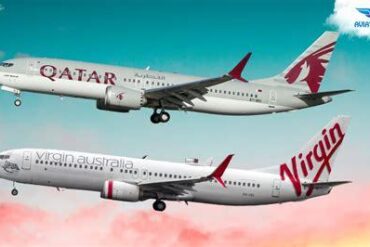
- Virgin Australia (2007)
This alliance has helped expand Garuda’s global footprint, especially for Europe-Asia travelers.
Route Networks and European Prestige
Garuda Indonesia remains the only Indonesian airline authorized to fly into European airspace, a testament to its safety and operational standards. Key long-haul highlights include:
- Jakarta–Amsterdam (resumed 2010, later nonstop)
- London Gatwick (added 2013, adjusted frequently)
- Singapore–London (2016)
- Jakarta–Mumbai via Bangkok (2016)
Although some proposed long-haul ventures—Los Angeles via Tokyo, Moscow, Dubai—were shelved, Garuda continues to evaluate expansion with strategic caution.
The Brand Identity: Symbols of an Evolving Nation
Garuda Indonesia’s branding has evolved across eras:
- 1949–1960s: Basic logotypes with nationalistic themes
- 1961–1969: Red and white scheme with angular bird motif
- 1969–1985: Iconic “hockey stick” livery
- 1985: Landor rebranding (Garuda blue, elegant curves)
- 2009: Nature’s Wing livery, modern typography
Special liveries include retro-painted Boeing 737-800s (2011) and COVID-mask themed aircraft (2020), aligning corporate imagery with social messaging.
The Garuda City Center, its headquarters in Tangerang, Banten, encompasses a 17,000 m² facility and symbolizes the airline’s ambitious scale and commitment to centralized excellence.
Conclusion: Garuda Indonesia’s Flightpath Forward
Garuda Indonesia’s legacy is one of transformation—rising from the embers of independence, navigating political, financial, and ethical storms, and reemerging as a symbol of national resilience and global ambition. While the road ahead demands vigilance, innovation, and transparency, Garuda’s track record of reinvention and revival assures its continued presence in the skies—graceful as the mythical bird it is named after, and proudly carrying the spirit of Indonesia into the world.