When it first soared into the skies in 2007, the Airbus A380 redefined aviation. As the largest passenger aircraft ever built, it symbolized the apex of engineering ambition, with unmatched scale, comfort, and aerodynamic precision. Though its production ceased in 2021, the A380’s legacy continues to evolve—both as a technological marvel and a symbol of future-forward sustainability efforts.
A Vision of Scale: Dimensions Beyond Compare
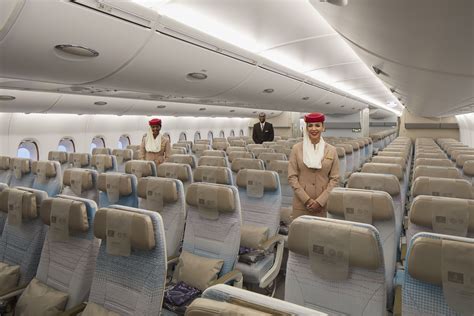
The Airbus A380 dwarfs every other commercial airliner in operation. At 238.5 feet long, 79.1 feet tall, and boasting a 261.8-foot wingspan, this aircraft stretches longer than two blue whales and stands taller than five giraffes. Its size isn’t simply for show. The aircraft offers a cabin width of 21.3 feet, making it the most spacious passenger cabin in the world.
This double-decker giant has two full-length passenger decks, which translates into 5,920 square feet of cabin space—equivalent to three tennis courts. This layout allows it to accommodate 545 passengers in a standard four-class configuration and up to 853 in a single-class layout. No other commercial aircraft comes close.
From Dream to Reality: A Brief Operational History
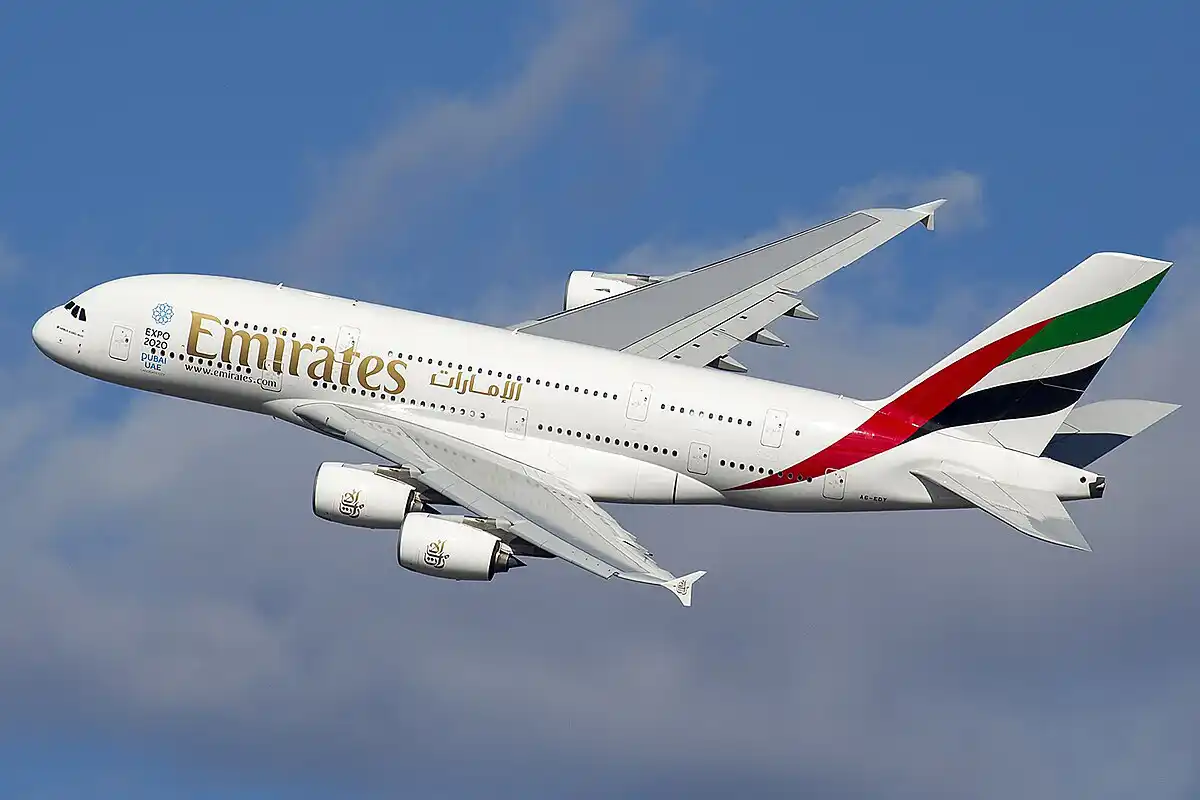
Conceived to address growing demand at global aviation hubs, the Airbus A380 initially captured the imagination of both airlines and passengers. Its first flight with Singapore Airlines in 2007 was a global event. Over its production lifespan, 251 A380s were delivered to 14 customers, with Emirates being its largest operator—commanding a fleet of 116 aircraft.
However, the aviation landscape changed rapidly. The introduction of smaller, fuel-efficient aircraft like the Boeing 787 Dreamliner and Airbus A350 shifted airline preferences toward long-haul direct flights from secondary airports. The four-engine A380, optimized for volume rather than efficiency, struggled to compete.
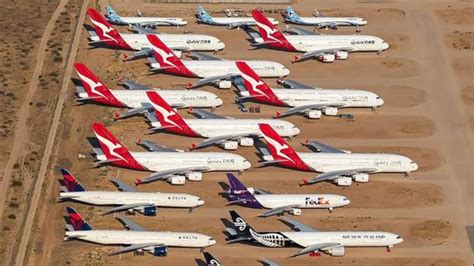
The COVID-19 pandemic in 2020 almost sealed its fate. Airlines grounded their fleets, and the A380 was considered too large and inefficient to survive the downturn. Desert parking lots became resting places for many of these aircraft.
An Unforeseen Comeback
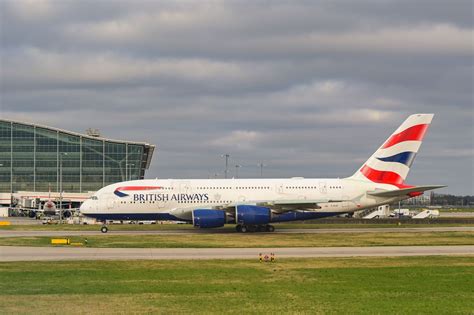
Surprisingly, the demise of the A380 proved premature. In late 2021, a surge in post-pandemic travel demand caught airlines off guard. With long-haul capacity stretched thin, the A380’s ability to move hundreds of passengers efficiently made it the ideal solution for high-density routes. Airlines such as British Airways, Qatar Airways, and Singapore Airlines returned their A380s to active service.
Moreover, the emergence of Global Airlines, a UK-based startup aiming to operate a fleet solely comprised of refurbished A380s, has breathed new life into the aircraft’s narrative. Their model seeks to capitalize on the aircraft’s comfort and prestige while offering cost-efficient operations on luxury-heavy transcontinental routes.
Unmatched Passenger Experience
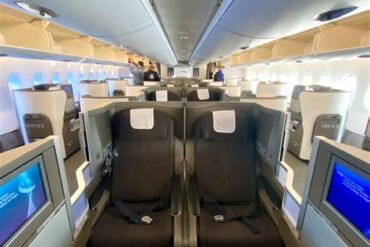
Flying on the A380 is not merely about reaching a destination—it’s an experience. The aircraft’s wider seats, greater legroom, and superior cabin pressurization provide a comfort level unmatched by other airliners. Its ultra-quiet engines, combined with its stability at altitude, result in a smoother and more peaceful flight. Business and first-class suites often span multiple windows and include amenities like onboard showers, cocktail lounges, and sleeping quarters.
The design flexibility of the A380 has also allowed operators to create bespoke experiences. Emirates, for instance, transformed its A380s into flying palaces with private suites, shower spas, and a bar lounge at 40,000 feet.
Engineering the Impossible: Inside the A380
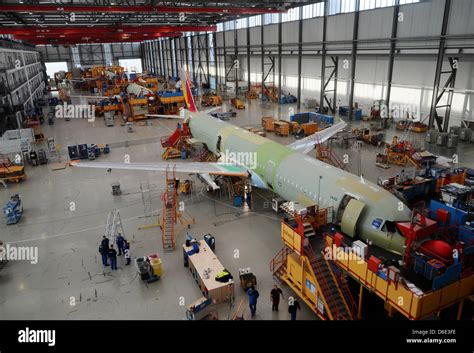
Creating the world’s largest airliner required global collaboration. Each Airbus A380 contains approximately four million individual parts, produced by 1,500 companies across 30 countries. Final assembly took place at Airbus’ Hamburg-Finkenwerder plant, while major components like the wings and fuselage were transported via custom-built Beluga aircraft and sea freighters.
Key engineering highlights include:
- 220 windows and 16 doors for passenger visibility and rapid evacuation
- Brake-to-Vacate technology, enabling optimized runway usage and reducing occupancy by up to 30%
- Structural flexibility in its wings, which bend upwards over 4 meters during takeoff
Power and Precision: The GP7000 Engine
The A380’s immense size requires engines of extraordinary capability. It is powered by four Engine Alliance GP7000 engines, each delivering between 70,000 to 81,500 lbf of thrust—a combined propulsive force equivalent to over 10,000 cars.
Developed through a joint venture between GE Aerospace and Pratt & Whitney, the GP7000 incorporates innovations drawn from both the GE90 and PW4000 engine families. The engine includes:
- Five-stage low-pressure compressor
- Nine-stage high-pressure compressor
- Two-stage high-pressure turbine
- Six-stage low-pressure turbine
MTU Aero Engines, based in Munich, contributed the entire low-pressure turbine and turbine center frame, giving the company a 22.5% stake in the program. This partnership opened doors for MTU’s further collaborations on widebody engines like the GEnx and GE9X.
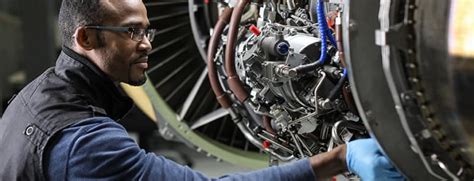
The GP7000 also features a 2.9-meter diameter fan, demanding precision installation by skilled engineers. It not only offers high power but is also optimized for lower fuel consumption and reduced noise emissions, enabling quieter airport operations and better compliance with urban noise regulations.
A Role in a Sustainable Future
Far from being a relic, the A380 is actively contributing to the next generation of aviation technologies. Airbus selected the very first A380 ever built—MSN1—as the ZEROe demonstrator platform for testing hydrogen propulsion and sustainable aviation fuels (SAF).
The aircraft has already completed multiple test flights powered by 100% SAF, helping Airbus evaluate long-term fuel compatibility. The upcoming hydrogen trials aim to lay the groundwork for climate-neutral aviation by 2035, potentially placing the A380 at the heart of a global transformation.
Why the A380 Still Matters
While production has ended, the Airbus A380 remains highly relevant. Its unparalleled passenger capacity, comfort, and technical achievements set a bar that may not be surpassed for decades. With increased global travel and renewed interest in sustainable operations, the aircraft’s role is evolving—from luxury liner to testbed for green innovation.
In a world that often favors smaller, more flexible jets, the A380 remains a unique solution for specific challenges: high-density long-haul routes, slot-constrained airports, and passenger preference for space and luxury.
Its rebirth as both an operational workhorse and a technology demonstrator confirms that the A380’s influence is far from over. As airlines continue to rethink global connectivity, the A380 stands as a testament to bold engineering and visionary design that dared to dream big.
Frequently Asked Questions
How many passengers can the Airbus A380 carry?
The Airbus A380 can carry up to 853 passengers in an all-economy configuration. In a typical four-class layout, it seats approximately 545 passengers, offering unmatched cabin space and comfort across all classes.
Why was the Airbus A380 production stopped?
Production ended in 2021 due to a shift in airline preferences toward smaller, more fuel-efficient twinjets such as the Boeing 787 and Airbus A350. These aircraft offered better economics on point-to-point routes, making the four-engine A380 less viable for most operators.
Is the Airbus A380 still flying?
Yes. Several airlines, including Emirates, Qatar Airways, and Singapore Airlines, have returned the A380 to service. Additionally, new carriers like Global Airlines plan to operate fleets comprised exclusively of refurbished A380s, ensuring its continued presence in the skies.