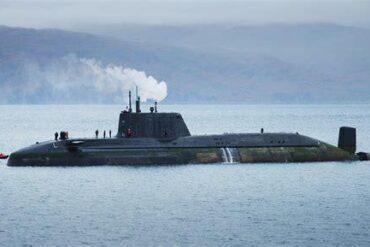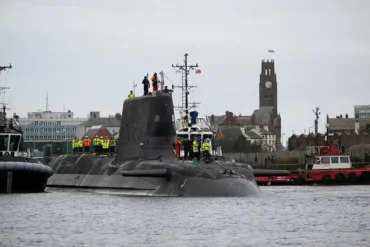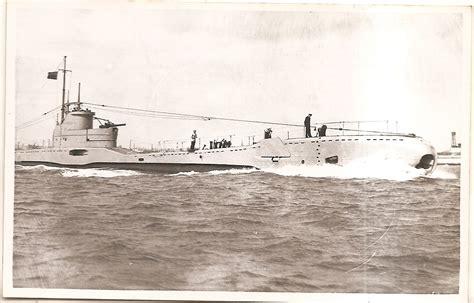
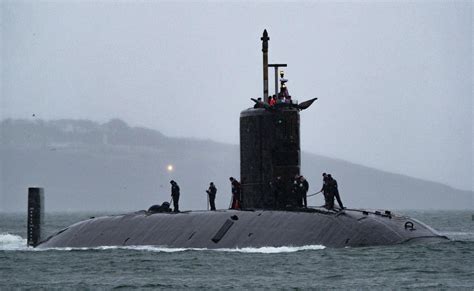
The Royal Navy has a long and storied history dating back to 1546, when it was established under the reign of Henry VIII. Among its vessels, the name HMS Triumph has been carried by ten ships across centuries, each representing the strength and resilience of Britain’s naval forces. From the 68-gun galleon launched in 1562 to the Trafalgar-class nuclear submarine launched in 1991, the lineage of Triumph has always been intertwined with major naval milestones. However, the story of the eighth HMS Triumph, a submarine launched in 1938 and tragically lost in 1942, remains one of the most mysterious wartime tragedies.
For over 80 years, the submarine’s fate puzzled historians, veterans’ families, and naval researchers. The loss of 64 crew members during World War II left an enduring void in the history of the Royal Navy. It wasn’t until June 2023 that Greek diver Kostas Thoctarides, after a 25-year-long search, finally uncovered the resting place of HMS Triumph deep within the Aegean Sea. The discovery has reignited global interest, shining light on a story of bravery, sacrifice, and unanswered questions.
The Legacy of HMS Triumph
The HMS Triumph (N18) was an Oberon-class T-class submarine, commissioned just before the outbreak of the Second World War. Designed for long-range patrols, she represented Britain’s strategic naval innovation. Equipped with torpedo tubes, anti-aircraft defenses, and advanced navigation systems for the era, Triumph was a formidable threat to Axis naval forces.
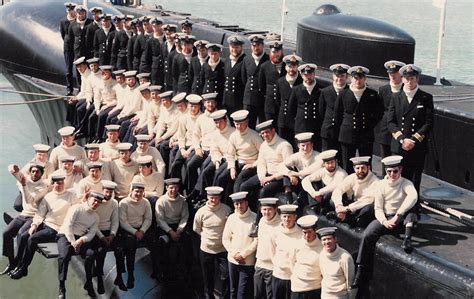
Her wartime service was marked by daring engagements across the Mediterranean theater, where British submarines often faced heavy risks from mines, depth charges, and enemy patrols. Triumph gained distinction as one of the Royal Navy’s most effective submarines, sinking or damaging 22 enemy vessels during her short career.
Among her achievements was the sinking of the Italian submarine Salpa, a feat that boosted morale during difficult years of the war. Triumph’s missions also extended beyond combat operations into the realm of covert intelligence, supporting the Special Operations Executive (SOE) and assisting resistance groups in occupied Greece.
Early Encounters with Danger
The Triumph’s story of resilience began early. On Boxing Day, 1939, while patrolling the North Sea, she struck a German mine. The explosion severely damaged the vessel, forcing her to surface under dangerous conditions. Protected by RAF fighter aircraft, she managed a daring return to port.
After months of extensive repairs, Triumph rejoined active service in September 1940. This incident proved her durability and the determination of her crew. From this point, she was redeployed to the Mediterranean, where her successes would make her one of the most effective British submarines in the region.
The Covert Operations in Greece
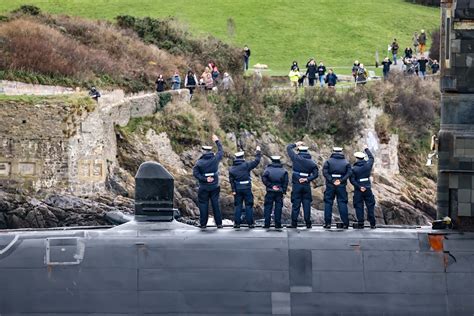
By late 1941, HMS Triumph was tasked with a highly sensitive mission: supporting Greek resistance fighters and British intelligence agents in occupied Greece. On December 30, 1941, she successfully landed operatives on the island of Antiparos, marking another chapter in her covert contributions to the Allied cause.
However, when the scheduled extraction date of January 9, 1942 arrived, Triumph never returned. Radio silence followed, and British command lost all contact. Between these dates, somewhere in the dark waters of the Aegean Sea, Triumph and her crew vanished.
The sudden disappearance left intelligence operations compromised and families devastated. For decades, no one could confirm whether Triumph had fallen victim to an enemy mine, suffered an onboard explosion, or succumbed to technical failure.
Discovery After Eight Decades
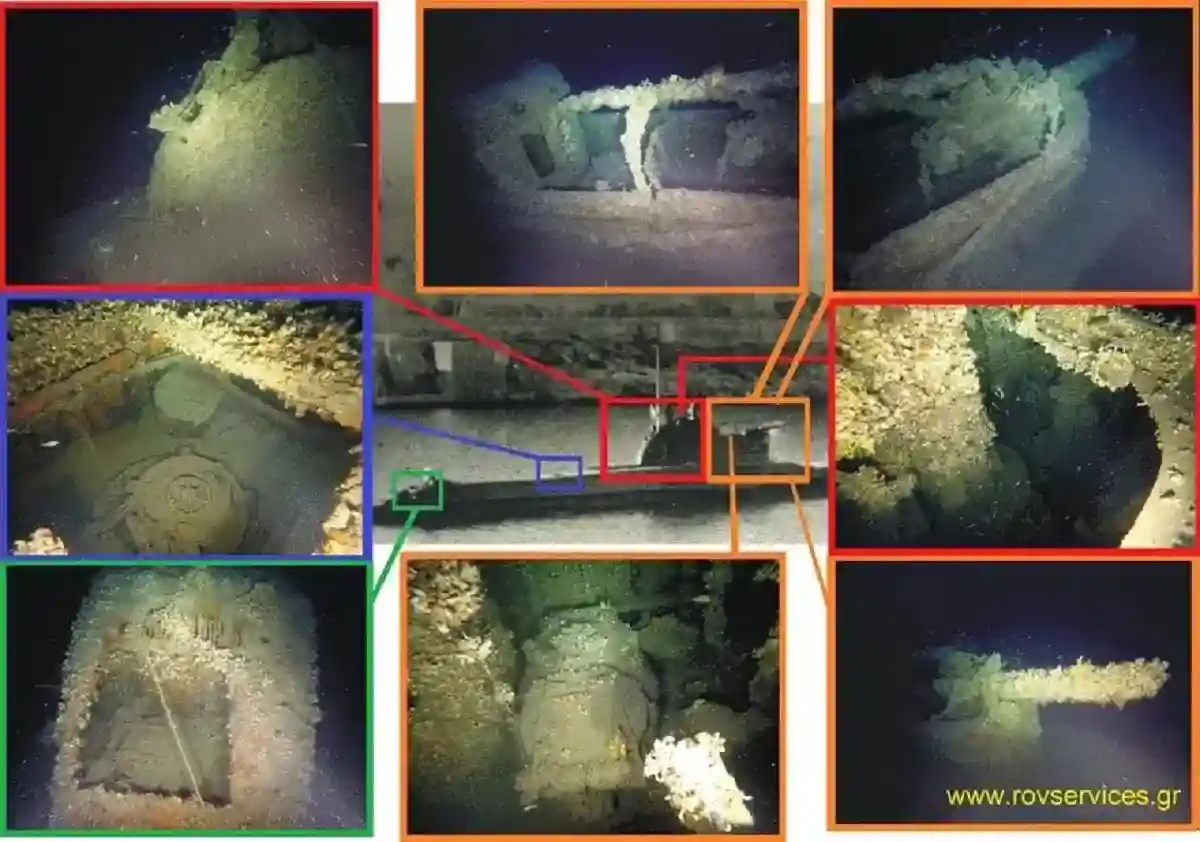
The mystery endured until June 2023, when Kostas Thoctarides, a Greek diver and maritime researcher, finally located the wreck at a depth of 670 feet (204 meters) in the Aegean Sea. Thoctarides, known for his previous discoveries of lost submarines around Greece, described the mission as the hardest of his life.
Initial examination revealed catastrophic damage to the submarine’s fore section, consistent with a violent explosion. However, whether the cause was a mine strike or an internal detonation remains uncertain. The wreck’s control surfaces, periscopes, and sealed hatches suggest Triumph was in a controlled deep dive when disaster struck.
Today, the wreck has been recognized as a maritime war grave, resting place of 64 sailors whose sacrifice symbolizes the perils of submarine warfare during WWII.
HMS Triumph (N18) Key Facts
| Attribute | Details |
|---|---|
| Class | T-class submarine |
| Launched | 1938 |
| Commissioned | 1939 |
| Fate | Lost January 1942, Aegean Sea |
| Crew | 64 |
| Enemy Ships Sunk/Damaged | 22 |
| Famous Engagement | Sinking of Italian submarine Salpa |
| Rediscovery | June 2023 by Kostas Thoctarides |
| Depth of Wreck | 670 feet (204 meters) |
Theories Behind the Sinking
Mine Strike Hypothesis
The Aegean Sea was heavily mined during World War II by both Allied and Axis forces. Given Triumph’s operational area, many historians believe she likely struck a German mine. The damage to the forward hull supports this theory, aligning with the patterns of external blasts caused by underwater mines.
Onboard Explosion Hypothesis
Another possibility is an internal torpedo explosion. Faulty storage, mechanical malfunction, or even accidental detonation could have triggered such an event. Submarines of this era were prone to high-risk conditions, where one error could lead to catastrophic loss.
Enemy Depth Charge Hypothesis
Although less likely, some suggest Triumph may have been detected by Axis patrol craft and sunk by depth charges. However, no enemy records from the period directly mention Triumph’s destruction, weakening this theory compared to the mine strike scenario.
Strategic Importance of the Loss
The disappearance of HMS Triumph was not only a human tragedy but also a strategic setback. Her absence disrupted covert operations supporting the Greek resistance, weakening Allied intelligence activities in the region. Triumph had been a crucial asset in undermining Axis supply lines, and her loss deprived the Royal Navy of a submarine that had proven remarkably effective in the Mediterranean theater.
Remembering the Crew
The 64 sailors aboard HMS Triumph represented a cross-section of Royal Navy service during the war—young men drawn from across Britain, dedicated to their mission despite the risks. Their sacrifice highlights the perilous nature of submarine duty, where survival rates during WWII were among the lowest of any naval branch.
Today, the wreck’s recognition as a war grave ensures that Triumph’s final resting place will be preserved with dignity. Naval traditions dictate that lost submarines remain undisturbed, serving as underwater memorials to those who never returned.
Conclusion
The story of the lost HMS Triumph submarine is one of courage, mystery, and ultimate sacrifice. From her impressive record in combat to her role in clandestine resistance missions, Triumph embodied the daring spirit of the Royal Navy during World War II. The discovery of her wreck in 2023 finally provides closure, yet questions about her final moments endure.
What remains certain is that the HMS Triumph and her 64 crew stand as enduring symbols of naval bravery, their story etched forever into the depths of the Aegean Sea.
FAQs
What caused the sinking of HMS Triumph?
The exact cause remains uncertain. Evidence suggests an explosion in the forward section, likely from a German mine, although an internal torpedo detonation is another possibility.
Who discovered the wreck of HMS Triumph?
The wreck was discovered in June 2023 by Kostas Thoctarides, a Greek diver and submarine researcher who has located multiple lost submarines in the Aegean Sea.
How many crew members were lost with HMS Triumph?
A total of 64 crew members perished when HMS Triumph sank in January 1942. The site is now recognized as a maritime war grave.