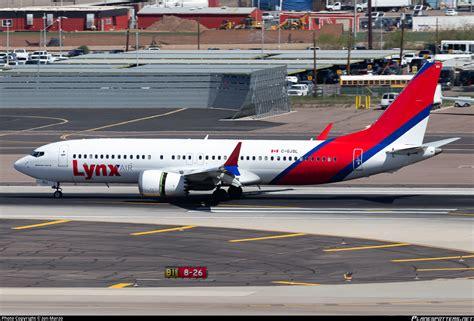
The abrupt collapse of Lynx Air in February 2024 sent shockwaves through Canada’s competitive low-cost aviation sector. With its business model grounded and its network dissolved, attention swiftly turned to its most tangible assets: nine nearly new Boeing 737 MAX 8 aircraft. These jets represented both the airline’s ambition and its operational core. As the airline shuttered, industry observers and rivals alike zeroed in on one key question — what would happen to these modern, in-demand aircraft?
Lynx Air’s Short-Lived Ambition and Sudden Collapse
Lynx Air launched in April 2022, branding itself as Canada’s newest ultra-low-cost carrier (ULCC) with a laser focus on affordability. The airline’s promise was bold — to challenge the duopoly of Air Canada and WestJet by offering radically low fares, targeting major domestic markets and U.S. routes such as Phoenix, Las Vegas, and Los Angeles.
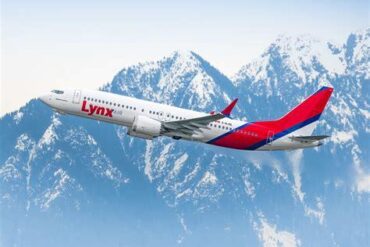
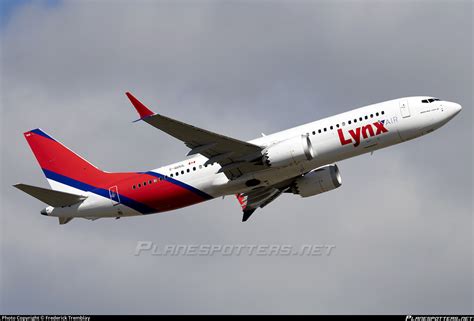
From the start, Lynx Air operated a fleet exclusively composed of Boeing 737 MAX 8s, which offered fuel efficiency, high-capacity seating, and compatibility with the airline’s streamlined operations model. Despite strong initial interest and rapid route expansion, the airline struggled under the weight of macroeconomic headwinds. Soaring fuel costs, limited market size, and fierce competition from players like Flair Airlines and Swoop (which was eventually folded into WestJet) eroded its financial runway.
By February 22, 2024, Lynx Air ceased all operations, citing unsustainable operating costs and lack of investor support. This left hundreds of employees jobless, thousands of passengers disrupted — and nine valuable Boeing jets in limbo.
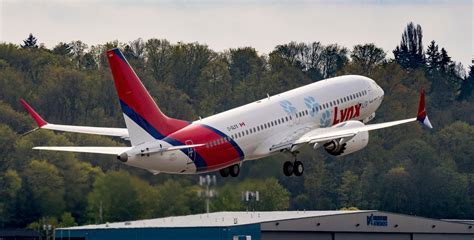
The Fleet: Nine Boeing 737 MAX 8s Ready for Reuse
The Boeing 737 MAX 8 has become a backbone aircraft for many modern airlines. With a length of 129 ft 8 in, wingspan of 117 ft 10 in, and capacity for up to 189 passengers in a high-density layout, the MAX 8 is designed for efficiency. Lynx Air’s fleet had an average age of just 1.5 years at the time of shutdown, making these aircraft especially appealing to other carriers.
Importantly, all nine were leased from third-party lessors, meaning that once Lynx defaulted, the aircraft reverted quickly to the lessors’ control. These leasing firms wasted no time in sourcing new clients for the still-pristine jets.
Where the Jets Went: WestJet’s Strategic Acquisition
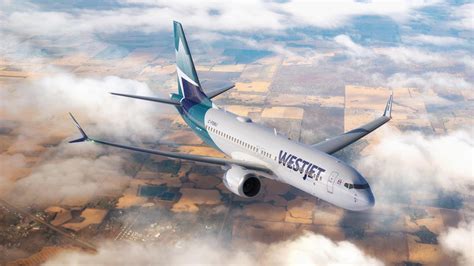
The primary beneficiary of Lynx’s demise was WestJet, Canada’s second-largest airline and an increasingly dominant force in the ULCC sector. Within weeks of Lynx Air’s shutdown, WestJet confirmed that it would operate all nine of the Boeing 737 MAX 8s formerly leased by Lynx.
This was a strategic masterstroke. Not only did WestJet eliminate a key competitor in the low-cost segment, but it also reinforced its fleet with aircraft already familiar to its operational framework. The Lynx MAX 8s required minimal transition time, thanks to WestJet’s existing MAX fleet, trained crews, and compatible infrastructure.
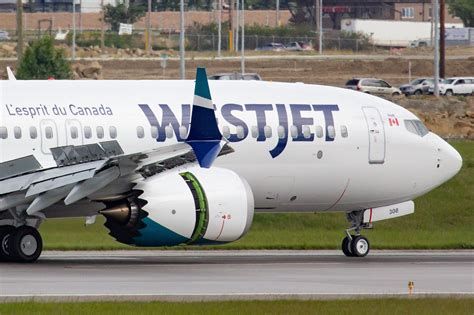
Each of the nine aircraft was swiftly re-registered, repainted, and repurposed. While some joined domestic mainline routes, others were assigned to transborder U.S. services or even used for pilot training and reserve operations. By March 2024, all aircraft were back in the skies under WestJet’s banner.
Air Canada’s Tactical Move: A Short-Term Lease Strategy
While WestJet took full ownership of Lynx’s fleet continuity, Air Canada moved with tactical precision. The flag carrier leased two of the nine aircraft — C-GYLB and C-FJSL — on a short-term wet-lease basis. This allowed Air Canada to plug scheduling gaps without committing to long-term purchases, especially critical during a time when new aircraft deliveries from Boeing were delayed.
These two MAX 8s were used on high-density domestic and U.S. transborder routes, including services to Toronto, Vancouver, and Chicago. For Air Canada, this was a cost-effective and low-risk solution to immediate fleet shortfalls, especially during peak seasonal demand.
Fleet Breakdown: Aircraft Redistribution Snapshot
Here’s how Lynx Air’s aircraft were repurposed following its shutdown:
| Former Registration | New Operator | Current Use |
|---|---|---|
| C-GJSL | WestJet | Operating domestic routes |
| C-GULK | WestJet | Transborder flights |
| C-GUUL | WestJet | Calgary-based schedule |
| C-GYXZ | WestJet | Western Canada network |
| C-GZXH | WestJet | Regional domestic services |
| C-GZAX | WestJet | Pilot training / backup |
| C-FULK | WestJet | Vancouver–Toronto rotation |
| C-GYLB | Air Canada | Select domestic routes |
| C-FJSL | Air Canada | Short-term fleet buffer |
This rapid and structured redistribution underscores the efficiency of modern aircraft leasing models — assets are rarely idle for long, especially in tight-capacity markets.
Aircraft Leasing: The Unsung Hero of Market Stability
One of the most important insights from Lynx’s collapse is the resilience of aircraft leasing infrastructure. All of Lynx’s MAX 8s were leased from global lessors, who swiftly repossessed and reallocated the aircraft to maintain operational continuity.
This capability is not unique to Lynx. The aircraft leasing market is designed to respond to airline failures with agility, ensuring aircraft are remarketed quickly to maximize asset utilization. For leasing firms, this often involves minimal refurbishment, re-certification, and new livery application — processes that can be completed in a matter of weeks.
In Lynx’s case, the MAX 8’s uniform type rating, global demand, and proven performance made each jet a hot commodity. Lessors negotiated quickly with WestJet and Air Canada, demonstrating the value of strong lessor-airline relationships.
Why WestJet Moved Fast — And Flair Didn’t
WestJet’s immediate absorption of Lynx Air’s aircraft served multiple strategic goals. It:
- Eliminated a direct competitor in the Western Canada low-cost space.
- Consolidated ULCC market share following its earlier integration of Swoop.
- Expanded its Boeing 737 MAX 8 fleet with minimal operational friction.
- Prevented Flair Airlines from expanding using Lynx’s recently vacated assets.
Interestingly, Flair Airlines had reportedly attempted to acquire Lynx before its shutdown. However, WestJet’s deeper financial resources and integration readiness gave it the upper hand. Flair, which has faced its own regulatory and financial hurdles, was likely unable to move with the same speed or confidence.
Implications for the 737 MAX 8 Market
Lynx’s fleet transition is more than just a corporate shuffle — it’s a case study in Boeing 737 MAX 8 resilience. Despite its controversial history, the MAX 8 is now a cornerstone of global narrow-body operations. With delays in Airbus A320neo deliveries, supply chain bottlenecks, and surging travel demand, every available MAX 8 is a hot-ticket item.
The Lynx aircraft were absorbed without overhaul. This speaks volumes about:
- The MAX 8’s operational desirability.
- Trust in the airframe’s safety and performance post-grounding.
- The fluidity of high-quality leased assets in a dynamic market.
It’s likely that this event will strengthen confidence in the MAX platform, encouraging further lease-backed acquisitions and giving Boeing a stronger foothold, particularly in North American markets.
Canadian Aviation: Toward Consolidation, Not Competition
The fate of Lynx Air’s 737 MAX 8s reflects a broader trend in Canadian aviation — one moving toward consolidation rather than diversification. In just two years, Swoop was absorbed, Lynx shut down, and Flair teeters on thin ice. The lesson seems clear: the Canadian market is too small to sustain multiple ULCCs indefinitely.
As WestJet grows more dominant and Air Canada remains entrenched, travelers may see fewer brand options — even as airfare remains under pressure due to persistent demand and increased capacity. For lessors and fleet managers, Canada remains an active and dynamic market, though now skewed toward larger, full-service players.
Final Reflections: From Failure to Flight
The end of Lynx Air may mark a low point for Canadian aviation diversity, but it also demonstrates the strength of the industry’s infrastructure. Aircraft were not left idle. Crews found new employers. Routes were restructured, not abandoned.
What remains is a telling narrative: that a modern fleet like the Boeing 737 MAX 8 is too valuable to remain grounded, even after an airline fails. It also underscores that aircraft leasing, operational flexibility, and strategic foresight determine who truly benefits when carriers collapse.
Ultimately, Lynx Air’s aircraft live on — just under different flags. The livery may have changed, but their role in shaping Canadian skies continues unabated.