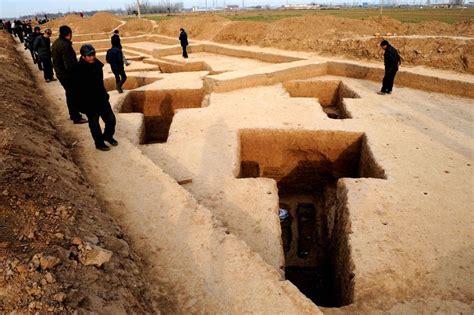
The discovery of a more than eighteen hundred year old Han Dynasty tomb has sent ripples through the realms of archaeology and tourism, unveiling a gateway to ancient Chinese culture that was long thought to be lost. This remarkable find, located in Rizhao, a city nestled approximately 400 miles southeast of Beijing, promises not only to enrich our understanding of Han dynasty customs but also to significantly boost local tourism as the region prepares to showcase its ancient burial treasures. Historians and travelers alike are now drawn to this untouched relic, which has emerged from beneath the quiet soil of Rizhao, revealing layers of secrets and insights into a world that flourished nearly two millennia ago.
As excitement mounts around this discovery, it becomes evident that this is more than just an archaeological event; it is a cultural awakening that could redefine the landscape of historical tourism in China. The excavation site, marked by an array of remarkably preserved artifacts, is attracting attention from global travelers eager for immersive experiences that go beyond the typical tourist trail. Could this be the catalyst for a new era of cultural heritage tourism?
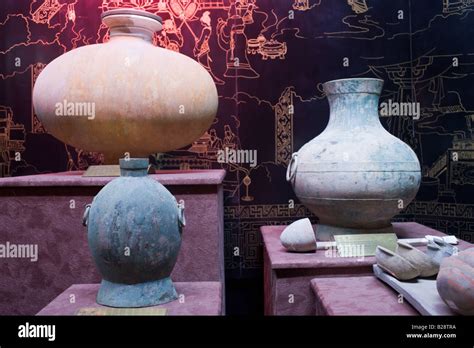
During routine renovations at a local park, archaeologists stumbled upon this hidden treasure, which includes over 70 burial artifacts that vividly depict the life, status, and traditions of an elite family from the Han dynasty. Although two of the tombs had been previously looted, one remained intact, containing a wealth of items such as pottery, bronze mirrors, lacquered boxes, bamboo hairpins, and iron swords. Each artifact illuminates a piece of history, detailing the sophisticated burial practices and social hierarchies of the time.
Among the most significant discoveries is a turtle-shaped bronze seal inscribed with the name “Huan Jia”, which suggests a powerful family lineage from the middle to late Western Han dynasty. This discovery hints at the lives of a married couple and possibly their close kin, providing a fascinating glimpse into the complexities of familial relationships during this period.
With the cultural tourism sector in China witnessing a resurgence, local and national authorities are already devising strategies to promote and preserve this historical site. Rizhao, traditionally known for its picturesque coastal scenery, is poised to become a focal point for tourists seeking deeper, more meaningful connections to China’s rich history. The post-pandemic era has seen an increasing number of travelers prioritizing authentic experiences, and Rizhao’s newly unveiled treasures are set to meet this demand head-on.
Experts within China’s tourism economy are optimistic about the potential influx of visitors to Rizhao. Last year, cultural heritage tourism accounted for over 30% of domestic travel revenue, and with ongoing investments in infrastructure and digital marketing, this figure is expected to rise. Rizhao’s strategic location—easily accessible via key transport corridors and well-connected to major cities—positions it as an ideal destination for those interested in archaeological tourism. Current discussions include integrating the tomb site into a larger cultural park, thereby balancing preservation with sustainable tourism practices.
The artifacts unearthed at the site not only captivate the eye but also provide profound insights into the daily lives, beliefs, and burial rituals of Han dynasty elites. Items such as glazed pottery, copper seals, lacquered cases, and wooden barrels offer a glimpse into the opulence and ceremonial complexity of the period. Notably, the remains of a funeral carriage with wooden wheels stand out as a unique find, suggesting elaborate burial customs that reflect elevated social statuses—a contrast to the more commonly excavated tombs of the same era.
This discovery aligns seamlessly with current trends in tourism, where travelers increasingly seek cultural engagement over conventional sightseeing. The growing interest in ancient civilizations, particularly those that offer less commercialized experiences, is a clear indicator of Rizhao’s potential appeal to both domestic and international tourists. The Chinese government’s initiative to promote “in-depth travel” dovetails perfectly with Rizhao’s newfound prominence, paving the way for immersive tours, collaborations with museums, and the incorporation of digital augmented reality (AR) experiences.
However, while the excitement surrounding this discovery is palpable, it brings with it an urgent need for preservation. Many archaeological sites globally suffer due to rapid deterioration caused by tourism, climate change, and neglect. To ensure that Rizhao’s tombs are protected while remaining accessible, a collaborative effort among stakeholders in tourism, academia, and urban planning is essential. Strategies may include developing eco-friendly infrastructure, guided access to the site, and educational storytelling to enrich visitor experiences.
Innovative digital solutions, such as virtual tours, multilingual audio guides, and interactive museum extensions, can enhance visitor engagement while minimizing the physical impact on the site. By leveraging technology, Rizhao can create a sustainable model of tourism that respects its historical treasures while inviting curiosity and exploration.
In conclusion, the ancient tombs of Rizhao are not merely remnants of a bygone era; they represent a vibrant tapestry of cultural heritage that beckons to be rediscovered. This remarkable archaeological find offers a rare opportunity to transform forgotten soil into a source of global fascination, breathing life into centuries-old narratives for modern travelers. As Rizhao prepares to embrace its role on the world stage, visitors will have a compelling reason to explore China beyond its iconic landmarks, venturing instead into the depths of history where the stories of the Huan family and their contemporaries await to be told.